
Advertisement

Lesotho minister inspects Tsehlanyane water tunnel works

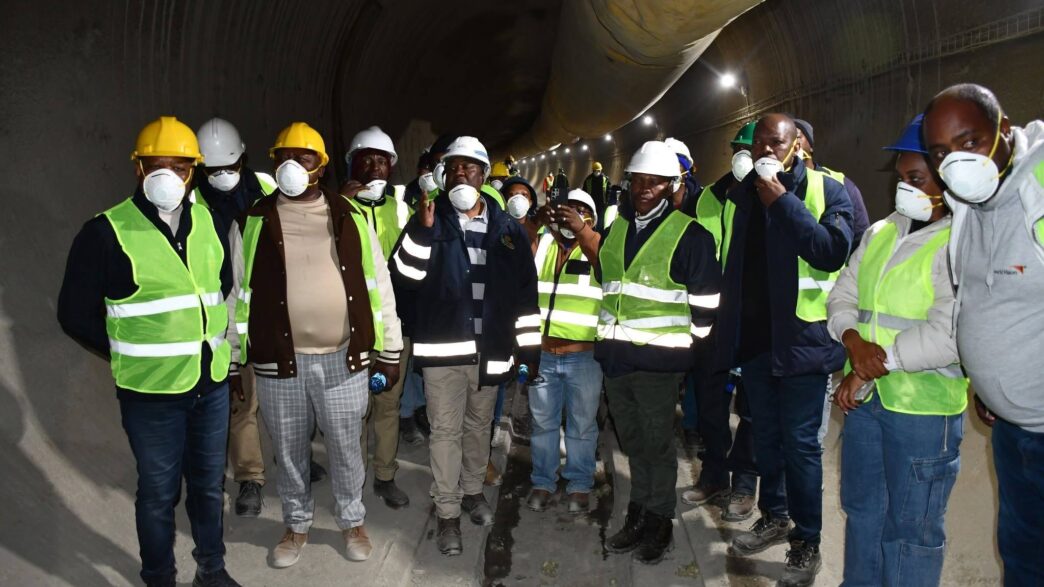
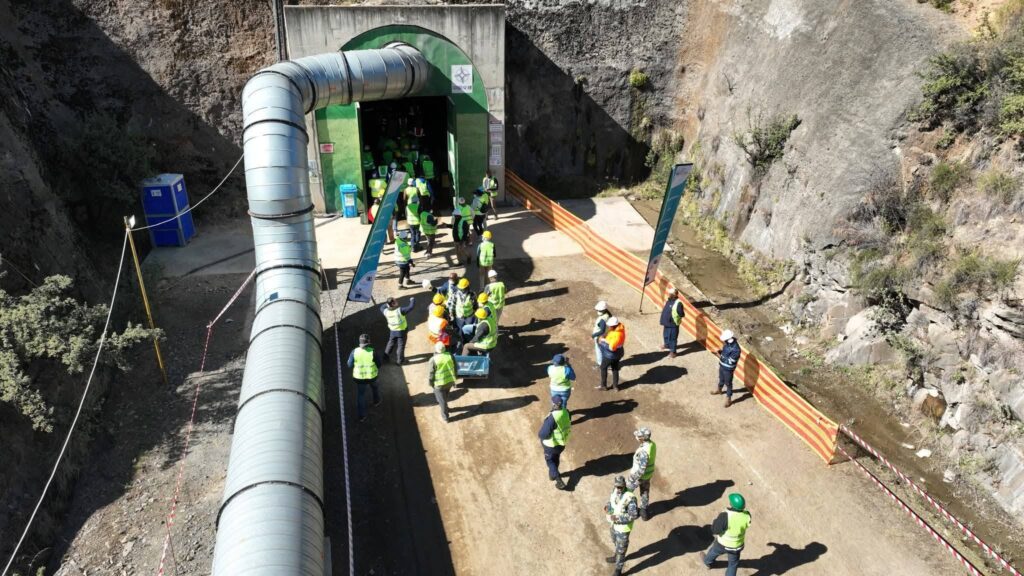
Hon. Mohlomi Moleko, Lesotho's Minister of Natural Resources, joins the Parliament Portfolio Committee on Natural Resources on a tour of the Tsehlanyane Adit, where 1.03 km of the bulk water pipeline has been laid inside the 1.95 km tunnel. Hon. Mohlomi Moleko, Lesotho's Minister of Natural Resources, joins the Parliament Portfolio Committee on Natural Resources on a tour of the Tsehlanyane Adit, where 1.03 km of the bulk water pipeline has been laid inside the 1.95 km tunnel.
Hon. Mohlomi Moleko, Lesotho's Minister of Natural Resources, joins the Parliament Portfolio Committee on Natural Resources on a tour of the Tsehlanyane Adit, where 1.03 km of the bulk water pipeline has been laid inside the 1.95 km tunnel.

Lesotho’s Minister of Natural Resources, Hon. Mohlomi Moleko, has toured the Tsehlanyane Adit to assess the progress of construction under the second phase of the Lesotho Lowlands Water Development Project.

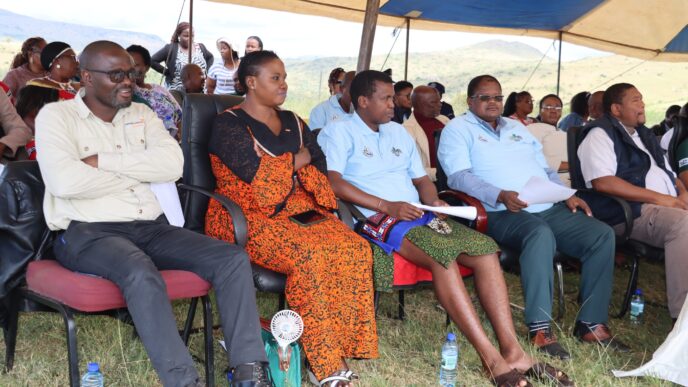
Moleko was accompanied by the Parliament Portfolio Committee on Natural Resources during the two day oversight visit, which ran from 23 to 24 July 2026 and covered the infrastructure works being carried out under Phase II of the project.
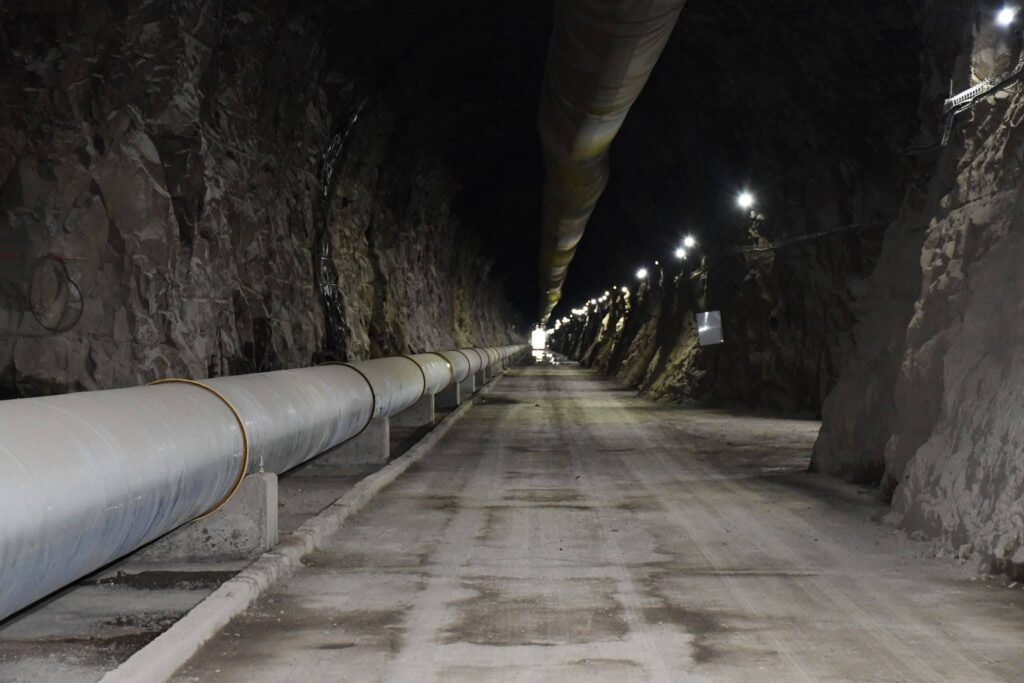
A view inside the Tsehlanyane Adit tunnel, a key part of the Lesotho Lowlands Water Development Project Phase II that will channel 3.15 million cubic metres of water a year into Lesotho during dry spells.

While at the site, the delegation was briefed on the laying of the bulk water pipeline inside the 1.95 kilometre tunnel. According to the update, 1,030 metres of the pipeline, roughly 1.03 kilometres, had already been installed measured from the butterfly valve.

Advertisement

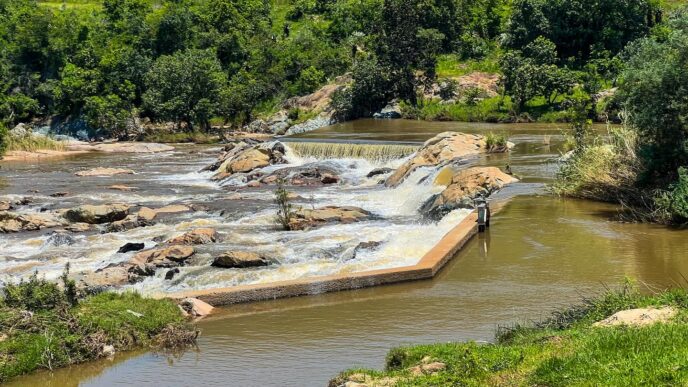
The Tsehlanyane Adit forms a key part of the wider project. It is built to boost water releases from the Lesotho Highlands Water Project into the Hlotse River during the dry season and at any other time the extra supply is needed.
A view inside the Tsehlanyane Adit tunnel, a key part of the Lesotho Lowlands Water Development Project Phase II that will channel 3.15 million cubic metres of water a year into Lesotho during dry spells.

Once the system is up and running, it is expected to channel 3.15 million cubic metres of water each year from the Lesotho Highlands Water Project for use inside Lesotho when river levels drop. Authorities anticipate the infrastructure will shore up the country’s water security, build its resilience and adaptation to climate change, and secure a dependable flow of raw water for growing household, farming and industrial needs.

Water sent through the adit travels into the Hlotse River and then to the Ha Setene Water Treatment Plant, where it is cleaned and turned into safe drinking water. From there it is supplied for household and industrial use, serving residents in Hlotse, Maputsoe and the surrounding areas.

Add a Comment

Leave a Reply

Your email address will not be published. Required fields are marked *

Advertisement
Send this to a friend