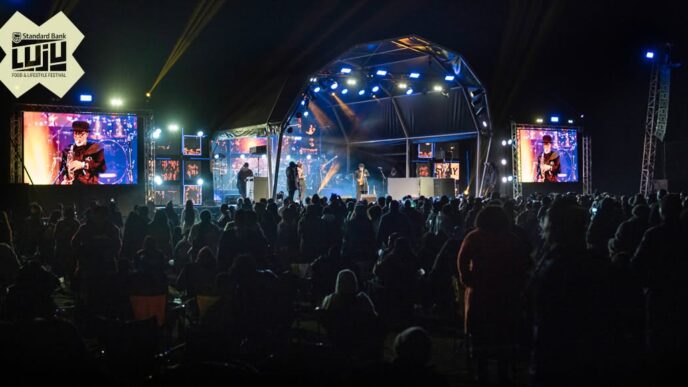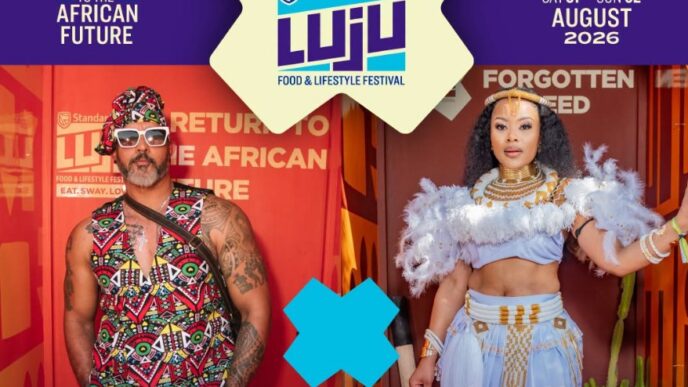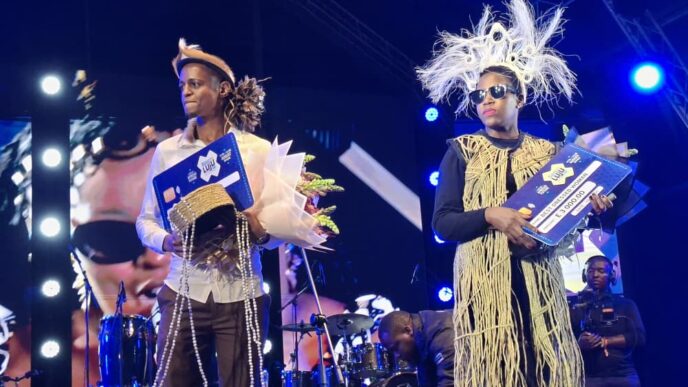



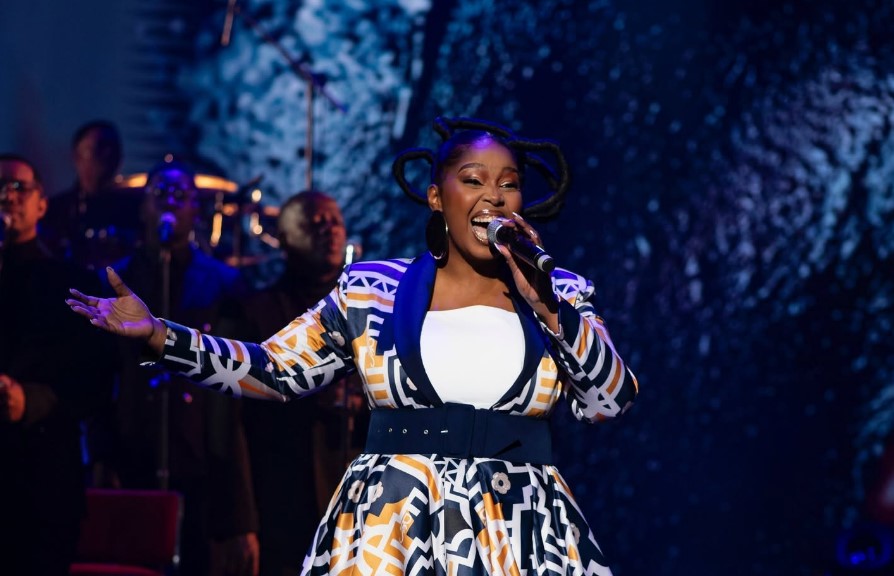
Malkerns – Lesotho born Afro-soul songstress Maleh is heading to Eswatini to perform at the Standard Bank Luju Food and Lifestyle Festival at House on Fire in Malkerns on August 1 and 2, 2026. Afro soul singer Maleh says she is looking forward to sharing more than just music with emaSwati. She hopes to bring stories of healing, hope and self discovery when she takes to the stage.
The Lesotho born artist returns to Eswatini with two deeply personal projects. Her acclaimed Afro soul album Lerato Laka and her recently released Afro Gospel inspired album Dithapelo, which means Prayers. Audiences can expect songs drawn from both bodies of work during her performance.
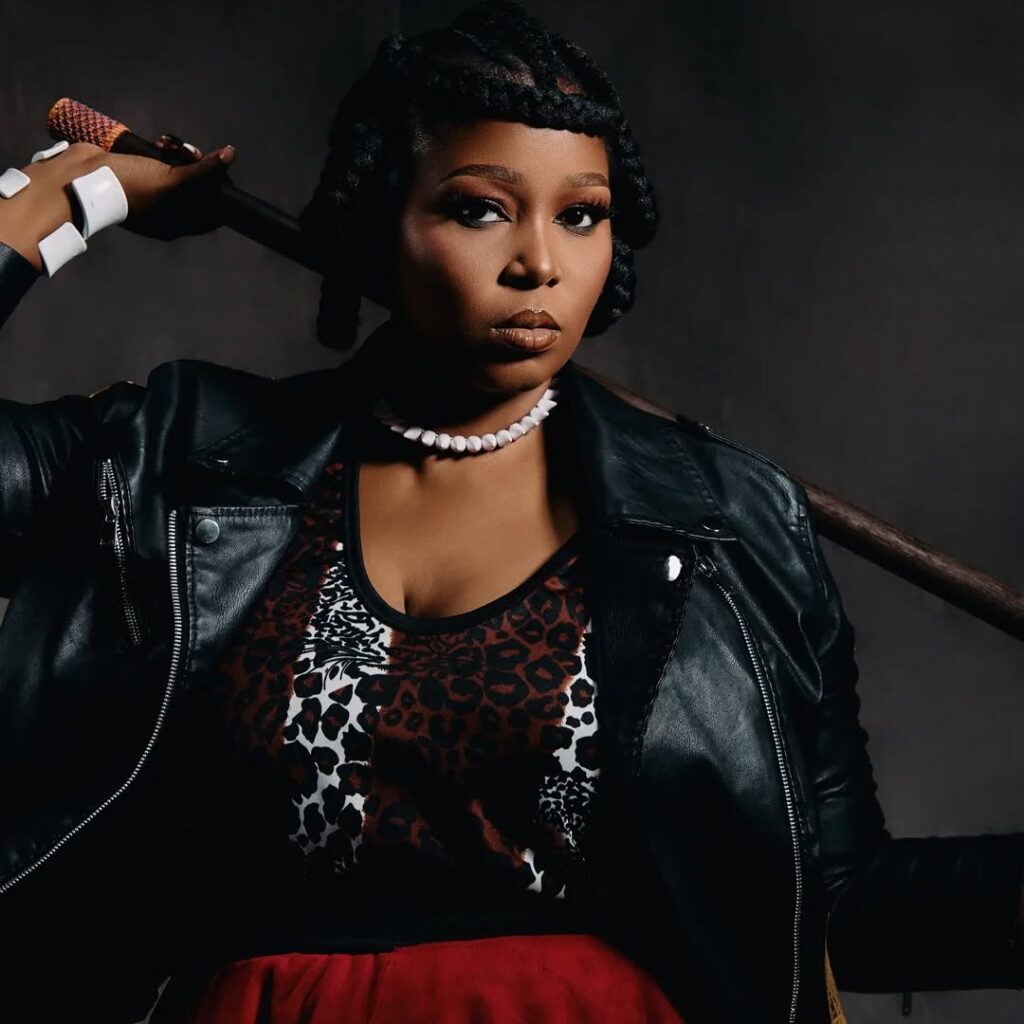
Speaking to Swazi24 ahead of the festival, Maleh said her return to performing came naturally after spending years working behind the scenes in music production. 
“Music has always been home for me. Even when I wasn’t on stage, I never really left it. Working behind the scenes gave me a chance to understand another side of the industry and the creative process. It taught me patience, discipline and also the importance of protecting your vision.”
“When I came back to performing, it felt very natural because I realised I still had stories to tell. I wasn’t coming back to prove anything, I was coming back because I had grown, I had experienced life differently and I had something meaningful to share.”
Much of Lerato Laka, which translates to My Love, was inspired by one of the most difficult chapters of her life.
“The biggest season behind Lerato Laka was definitely the season of healing. After heartbreak, I needed time away to just be with myself and process everything I was feeling. I started writing poetry as a way of expressing myself and healing, and those words eventually became songs.”
“I didn’t start out thinking I was making an album, it was just my way of finding myself again. The title Lerato Laka means ‘my love’, and for me that love is not only about another person. It is also about the love we find within ourselves.”
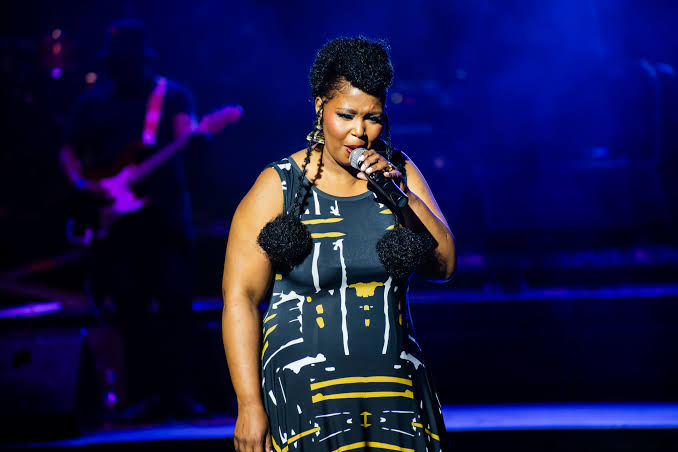
She hopes women listening to the album discover that healing is possible regardless of the challenges they face.
“What I hope women hear in this album is that healing is possible. You can go through difficult seasons and still find your way back to yourself.”
That message runs throughout the album, where Maleh encourages women to embrace their worth without waiting for validation from others.
“My own journey taught me that your worth has to come from within. I wanted women to remember that they don’t need someone else to tell them who they are. You already carry so much strength within you. Believe in yourself, embrace who you are and don’t be afraid to take your place.”
One of the album’s distinctive features is its blend of Southern and West African musical influences through her collaboration with Nigerian producer Goldsmith.
“It was such an awesome experience because we came from different musical backgrounds, but we connected through the emotion of the music. We were able to blend different African influences while still keeping the heart of who I am as an artist.”
She recalled how the producer’s creation of a highlife rhythm for the song Sokalami reminded her of legendary South African trumpeter Hugh Masekela, reinforcing her belief that African music continues to unite cultures across the continent.

Among the songs closest to her heart is March On, which reflects her own journey through life’s difficult seasons.
“That song speaks about continuing even when life gets difficult. There are moments where you have to step back, reflect and find yourself again, but you cannot give up on the things that are part of your purpose.”
While songs such as Dem Go Say explore heartbreak and vulnerability, Maleh believes honesty creates lasting connections with listeners.
“It is always a little scary sharing something so personal because those emotions came from a real place. But I have also learned that honesty is what connects people.”
This year’s Luju Festival theme, A Return to the African Future, also resonates deeply with the singer.
“When I hear A Return to the African Future, I think about remembering who we are and the values that have always connected us as Africans.”
“It takes me to the idea of understanding that we are because of one another. I think our future becomes brighter when we return to those things that have always carried us, love, compassion, community and looking out for each other.”
Maleh says festival goers can expect an honest performance rooted in emotion rather than spectacle.
“My music comes from a real place, so when I perform I want people to feel the emotions behind the songs, not just listen to the music.”
She also plans to introduce audiences to songs from Dithapelo, her Afro Gospel inspired project that reflects her Christian faith.
“I also recently released a new Afro Gospel inspired album, titled Dithapelo, which means prayers, so I am definitely also looking so forward to sharing some of those new songs and my relationship with Jesus Christ, and how I have been able to express His Love through the new songs.”
Ahead of her first performance for many local fans, Maleh has a message for women in Eswatini and across the region.
“I want women to always remember their worth. Life comes with different seasons. Some seasons are beautiful and some are difficult, but every season teaches us something new.”
“Don’t allow challenges or other people’s opinions to make you forget who you are. Take time to love yourself, believe in yourself and keep walking towards your dreams.”
“I think as women, we are also stronger when we support each other. I hope my music reminds someone that they are not alone, that healing is possible and that there is always hope for a new season.”