

MASERU, Lesotho, August 19, 2026
Lesotho is working with the United Nations to develop a national Artificial Intelligence strategy and a blueprint for a national data centre as a five day capacity building workshop enters its third day in Maseru.
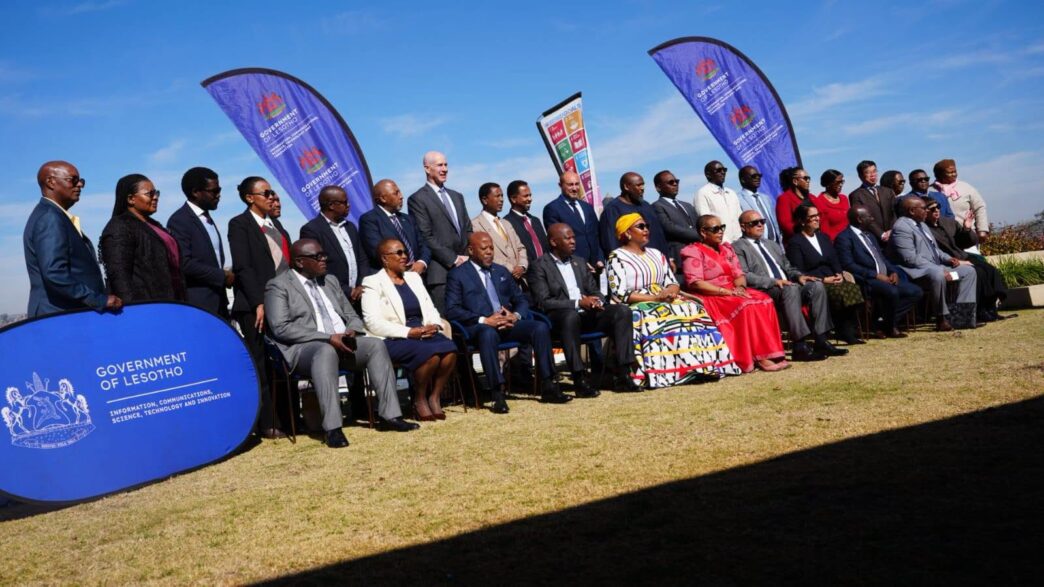
The workshop, which began on August 17, has brought together government officials, development partners, private sector representatives, academics and civil society organisations.
The participants are examining how Lesotho can use artificial intelligence and data driven technologies to support national development, improve public services and strengthen the country’s digital systems. 
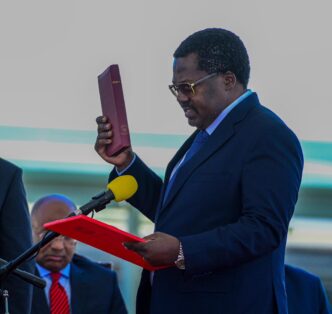
The workshop was officially opened by Deputy Prime Minister Justice Nthomeng Majara, who delivered the keynote address on behalf of Prime Minister Samuel Ntsokoane Matekane.
Majara called for caution and careful planning as Lesotho develops its national AI agenda and data centre blueprint.
She said the country needed to keep pace with rapid technological developments while also building on its own capabilities.
The Deputy Prime Minister warned against investing in artificial intelligence without first putting the necessary safeguards and skills in place to manage its effects.
She said Lesotho needed adequate infrastructure, sound policies and skilled personnel to take advantage of AI while managing the risks associated with emerging technologies.
The workshop is being held through cooperation between the Government of Lesotho and the United Nations Office of Digital and Emerging Technologies. The UN Resident Coordinator’s Office and other UN agencies are also supporting the programme.
United Nations Resident Coordinator Taija Kontinen Sharp said the UN remained committed to supporting Lesotho’s digital transformation.
She said artificial intelligence was not only a technology matter, but also a development issue with the potential to strengthen public institutions, create opportunities for young people, improve service delivery and support a stronger economy.
Participants are being introduced to a framework made up of seven components and five levels of maturity. The framework is intended to help countries assess their readiness for AI and set practical targets that can be implemented in stages.
The discussions are also considering how the framework can fit with Lesotho’s draft policies on artificial intelligence, data management, broadband and shared infrastructure.
A major part of the workshop involves preparing a roadmap for a national data centre.
The discussions cover the country’s projected demand for data services, infrastructure, connectivity, energy supply, environmental sustainability, institutional responsibilities, financing and possible partnerships between the public and private sectors.
The roadmap is expected to guide decisions on the technical, environmental, institutional and financial requirements for establishing a national data centre.
Officials and other participants are drawing lessons from countries such as Senegal and Kenya, which have been developing sovereign data centre and cloud computing capabilities.
The workshop is expected to produce a draft data centre implementation roadmap, as well as priorities for the remaining parts of Lesotho’s national AI framework.
The programme is facilitated by the United Nations Office of Digital and Emerging Technologies, partner UN agencies and experts from the UN supported AI Capacity Development Network.
The workshop is scheduled to end on August 21, with the government and its partners expected to leave with proposals aimed at strengthening Lesotho’s digital policy, infrastructure, institutions and human resources.