

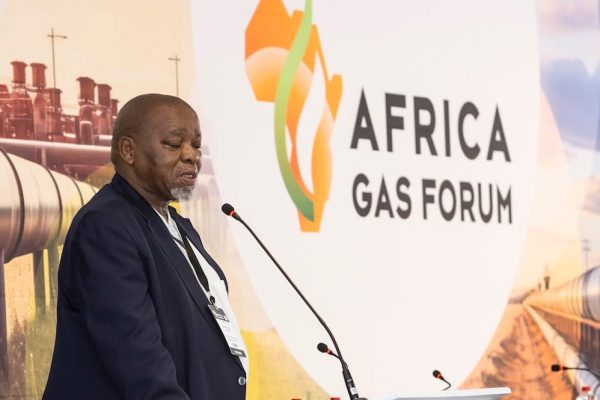
Cape Town – Africa’s gas reserves, infrastructure needs and potential for industrial growth will come under discussion at the Africa Gas Forum 2027, scheduled for March 4 at the Cape Town International Convention Centre in South Africa.
The forum will form part of the Africa Energy Indaba 2027, which will run from March 2 to 4 under the theme, “African Energy: Pathways to Prosperity through Connectedness and Cooperation.”
Organisers say the gas forum will focus on how African countries can turn gas discoveries into reliable energy supplies, industrial development, employment and economic growth. 
Held under the theme, “Africa’s Gas Decade: From Discovery to Delivery – Powering Energy Security, Industrialisation and Regional Growth,” the event is expected to attract governments, national oil companies, international energy firms, investors, financiers, infrastructure developers and major industrial users.
Africa produced about 262 billion cubic metres of natural gas in 2025, representing a 2.5 per cent increase from the previous year and about 6.2 per cent of global gas production, according to the Gas Exporting Countries Forum.
The increase was supported by higher output in sub Saharan African countries such as Nigeria and Angola, as well as the start of production at the Greater Tortue Ahmeyim gas project shared by Senegal and Mauritania.
The continent is also playing a bigger role in global liquefied natural gas supply. Africa accounted for about 8.5 per cent of global LNG supply in 2024, while several large projects are expected to add further capacity before 2030.
These include Nigeria LNG Train 7, Mozambique LNG, Coral North FLNG and Gabon’s Cap Lopez LNG project. Greater Tortue Ahmeyim started production in 2025.
Mozambique LNG, which is targeting its first LNG production in 2029, has a nameplate capacity of about 12.9 million tonnes per year.
Mozambique remains one of Africa’s biggest gas prospects, with an estimated 3,766 billion cubic metres of recoverable gas resources. Its Coral North FLNG project is valued at more than US$7 billion and is expected to generate over US$20 billion in fiscal revenue during its lifespan.
The forum will also examine the need for African countries to use more gas within their own economies, rather than focusing mainly on exports.
Gas demand across Africa is expected to rise by about 60 per cent by 2050, opening opportunities for electricity generation, fertiliser production, petrochemicals, mining, manufacturing, and other industrial uses.
Organisers say the shift towards domestic and regional gas markets will be central to discussions at the Cape Town forum.
The programme will cover five main areas, including converting major discoveries into commercial production, addressing South Africa’s looming gas supply challenges, implementing national gas plans, building regional gas infrastructure and expanding gas use in industry.
South Africa’s gas supply risks are expected to receive particular attention, with discussions likely to include replacement gas supplies, LNG imports, pipeline infrastructure, industrial demand, pricing and regulation.
Participants will also discuss how African countries can turn gas strategies into bankable projects such as pipelines, storage facilities, import and export terminals, processing plants and gas to power developments.
The forum will further explore regional gas trade and cross border infrastructure that could connect producing countries with electricity generators and industrial consumers in other parts of the continent.
For Southern Africa, this discussion is relevant as gas developments in Mozambique and other regional markets could influence future energy supply options, industrial investment and cross border energy trade.
The Africa Gas Forum will also examine how gas resources can support fertiliser, petrochemical and methanol production, as well as mining and manufacturing activities that could create jobs and increase local value addition.
Organisers say Africa’s gas opportunity should not only be measured by the value of reserves or LNG exports, but by the infrastructure, electricity generation, industries and jobs that can be created from the resource.
They say major investment will be needed in pipelines, processing facilities, LNG terminals, storage, power generation and industrial infrastructure to ensure gas production reaches domestic and regional markets.
Infrastructure remains one of the major barriers to expanding gas access across Africa, particularly where gas producing countries are not connected to potential industrial and power markets.