

The Eswatini Revenue Service (ERS) has set a domestic revenue collection target of E19.48 billion for the 2026/27 financial year as the annual income tax filing season gets underway.
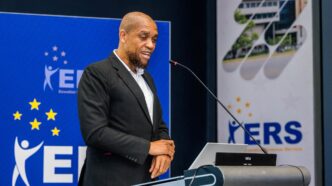
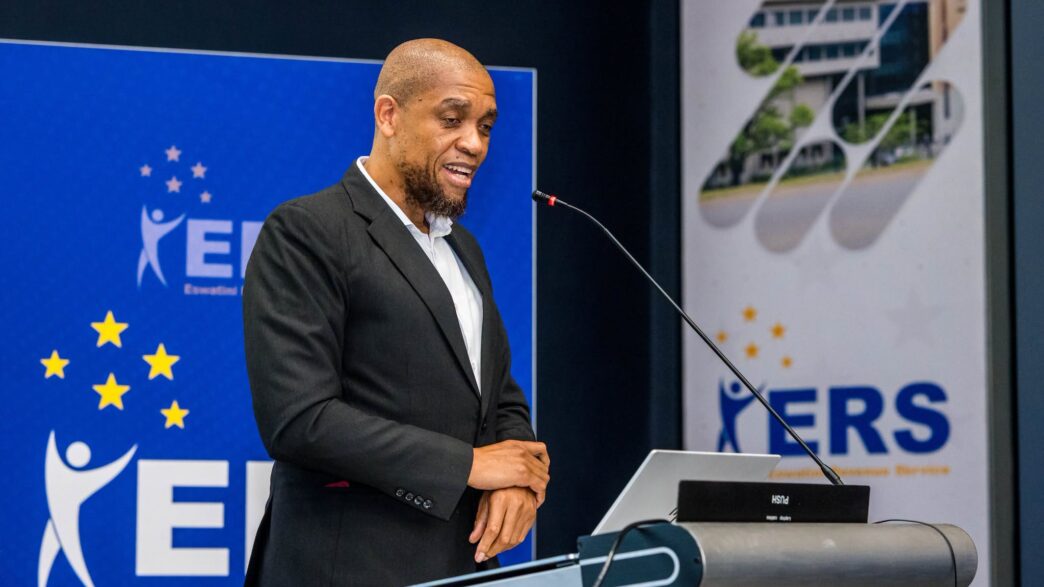
Finance Minister Neal Rijkenberg officially launched the 2026 Annual Income Tax Return Filing Season at the ERS headquarters in Ezulwini on Wednesday, 23 September 2026, under the theme, “File Right. File On Time.”
The opening marks the beginning of a key period in Eswatini’s tax calendar, with taxpayers expected to account for their income and meet their filing obligations within the prescribed periods. 
Rijkenberg said the E19.48 billion target represents resources that government requires to finance public programmes and services, including roads, healthcare, education, public safety, social programmes and infrastructure investment.
He said achieving the target was a shared responsibility between government, the ERS and taxpayers, who are expected to accurately declare their income, submit returns on time and settle taxes due.
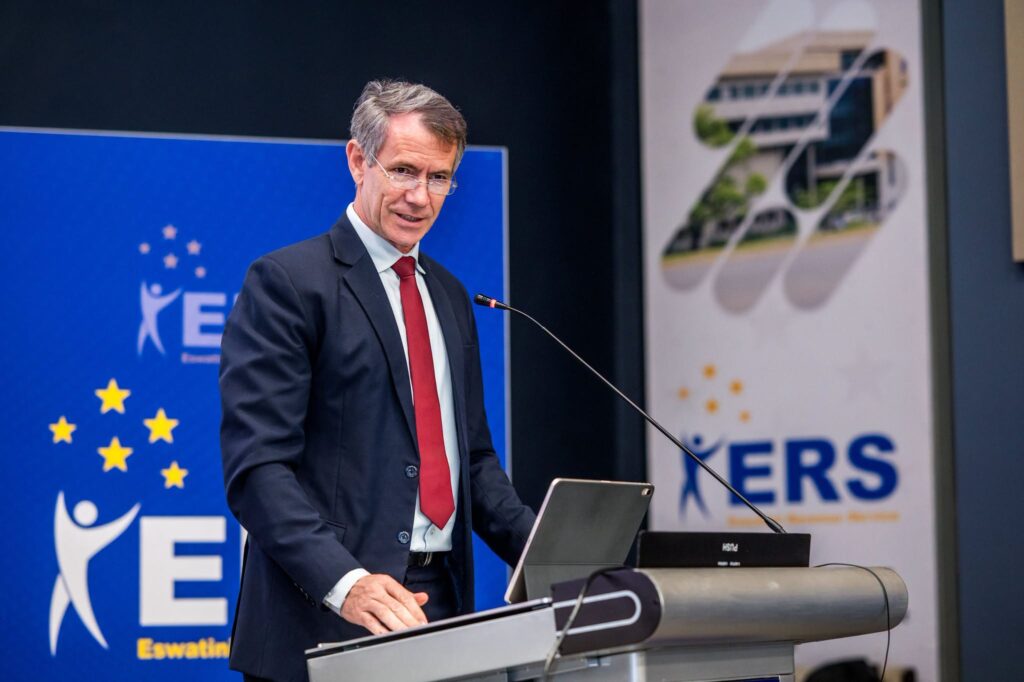
The minister warned that income which is underdeclared or not declared reduces the resources available to government to meet the country’s growing needs and could contribute to increased reliance on borrowing.
“This is neither sustainable nor desirable for the whole nation in the long term,” he said.
The 2026 filing campaign calls on taxpayers to prepare early, understand their tax obligations, submit accurate returns within the required deadlines and make use of ERS support channels and electronic services.
The ERS said filing early can help taxpayers avoid penalties and interest while allowing the authority to process returns more efficiently.
HNWI definition expanded
One of the major changes introduced during this year’s filing season is an expanded definition of high net worth individuals (HNWIs).
The ERS will now include individuals whose combined assets are valued at E3 million or more, in addition to the previous focus on people earning annual income of at least E3 million.
The expanded category covers significant immovable and movable property, financial assets, investments, shares, bonds and other assets where their combined value reaches E3 million or more.
It will also cover individuals whose minor children hold assets with a combined value of E3 million or more, as well as trustees and trust funds, excluding trustees of recognised and registered pension funds.
Rijkenberg said the adjustment was prompted by the need to obtain a more complete picture of taxpayers’ economic circumstances.
“Experience has shown that significant wealth may not always be reflected through annual earnings alone,” he said. “In some cases, individuals with substantial economic resources have never declared income at all despite controlling significant assets.”
The minister said the expanded HNWI approach was not intended to discourage wealth creation or investment, but to improve fairness and transparency within the tax system.
He said a strong tax system required taxpayers to be treated equitably, with compliance obligations applied consistently across society.
Assets must be declared
ERS Commissioner General Brightwell Nkambule said municipalities would become important partners in implementing the expanded HNWI approach, particularly in relation to immovable property.
He said municipalities would assist the ERS in validating information about properties held by taxpayers.
“These assets must be declared. We’re not saying the assets will be taxed, but they must be declared,” Nkambule said.
The requirement to declare an asset does not mean that the asset itself will automatically be subjected to income tax.
Instead, the ERS will use information about assets as part of its wider assessment of taxpayers’ economic circumstances and their compliance obligations.
The expanded approach forms part of the ERS strategy to achieve its vision of 100 per cent voluntary compliance.
The revenue authority’s mandate includes assessing and collecting government revenue, promoting compliance with revenue laws and taking measures to combat tax fraud and evasion.
Filing deadlines
Different categories of taxpayers have been assigned different filing and payment deadlines for the 2026 season.
Resident trusts, VAT registered businesses, non VAT registered businesses and presumptive taxpayers are required to file their returns and pay any tax due by 31 October 2026.
Individuals earning employment income and other sources of income, HNWIs and other special taxpayer categories must pay any tax due by 30 November 2026.
Rijkenberg urged taxpayers to prepare and file their returns early instead of waiting until the final days of the filing period.
He also encouraged taxpayers to use the ERS electronic filing facility and seek assistance if they were uncertain about their obligations.
The minister acknowledged that changes to tax systems and processes could require taxpayers to adjust, but said the changes were ultimately intended to make tax administration easier.
ERS calls for compliance
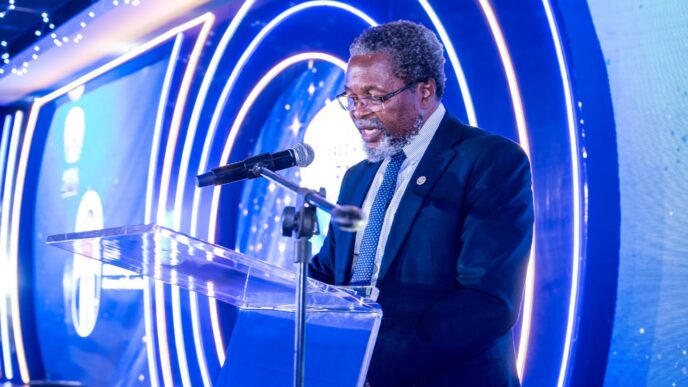
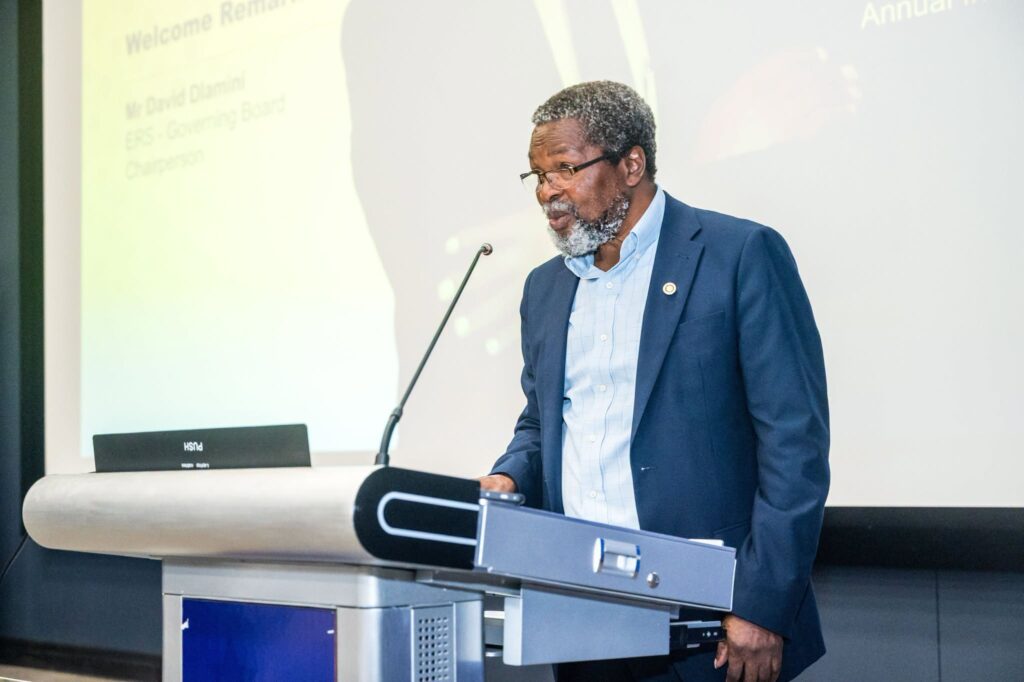
ERS Board Chairman David Dlamini said the filing season was an opportunity to remind taxpayers of their role in supporting national development.
He said the campaign theme centred on two key principles of an effective tax system, accuracy and timeliness, adding that tax compliance went beyond simply fulfilling a legal requirement.
Dlamini said the board remained committed to providing strategic oversight and support as the ERS works to strengthen revenue administration, improve taxpayer services and increase voluntary compliance.
He said an honest and efficient tax administration was important for building trust, promoting fairness and creating resources to finance national development.
“This year’s filing season comes at a time when domestic revenue mobilisation is more important than ever,” he said.
Dlamini said every accurate return submitted and every tax obligation fulfilled contributed towards public services, infrastructure and development programmes.
He also pointed to continued investments by the ERS to improve compliance and the taxpayer experience, saying these efforts were necessary to maintain the integrity and sustainability of the tax system.