

Ezulwini – Eswatini has surpassed the minimum 15% tax-to-GDP threshold needed for funding basic government services recommended by the World Bank and other international benchmarking institutions, thanks to the turnaround strategy by the Eswatini Revenue Service (ERS).
The ERS has spent 3.9 cents for every E1 received, resulting in a huge return on investment while simultaneously increasing tax to GDP from 13.4% to 16.5 percent, surpassing the 15% threshold in 2021.
Although the global average tax-to-GDP ratio ranges from 25% to 35%, with affluent countries reaching 40%, the World Bank argues 15% is critical for promoting growth and eliminating poverty, particularly in small economies like Eswatini. 
Over the last few decades, the ERS cost-to-revenue ratio has fallen from about 5% to around 4%. It has raised voluntary tax compliance from 62% to 72%, and is on track to attain 100%.
Over the past six years, the ERS net promoter score has risen from below 10% up to approximately 83% in March 2026.
This improvement is significant because it indicates taxpayers’ increased faith in the ERS’s services.
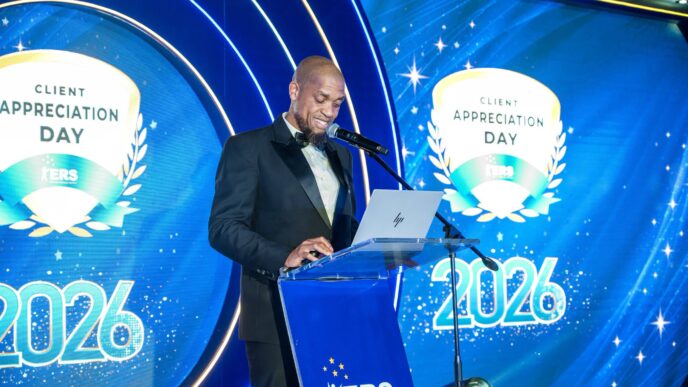
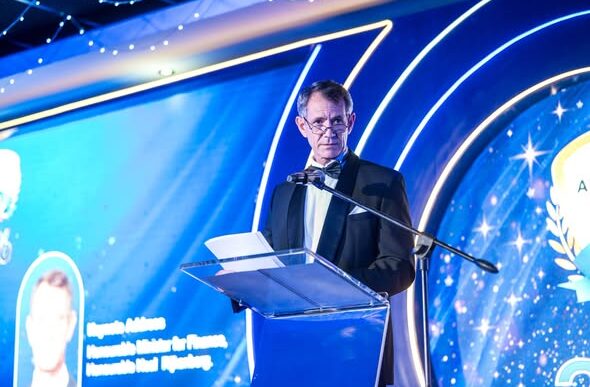
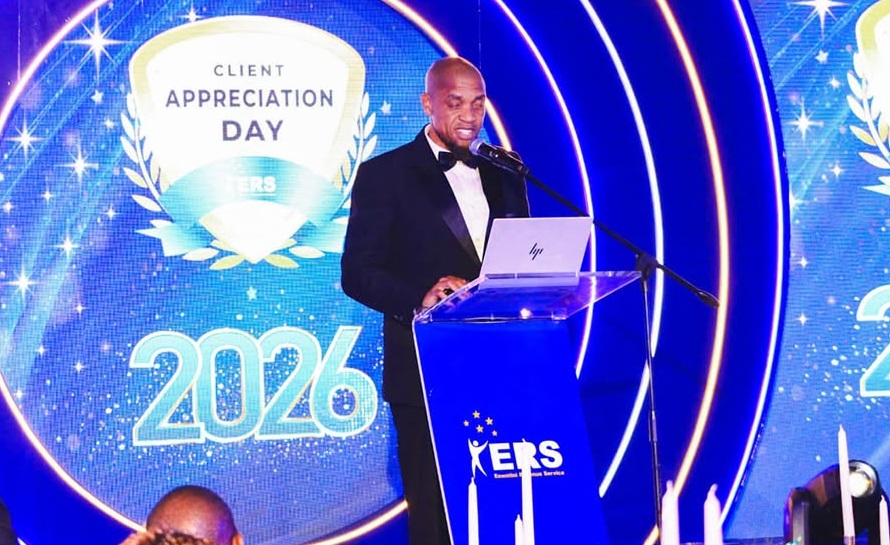
Yesterday, the ERS celebrated its fourth client appreciation day with good numbers, demonstrating a well-oiled tax master that not only owes its expanding tax collection base with domestic taxes to the government but is also improving significantly efficient ways of doing so while gaining trust among the clients it serves.
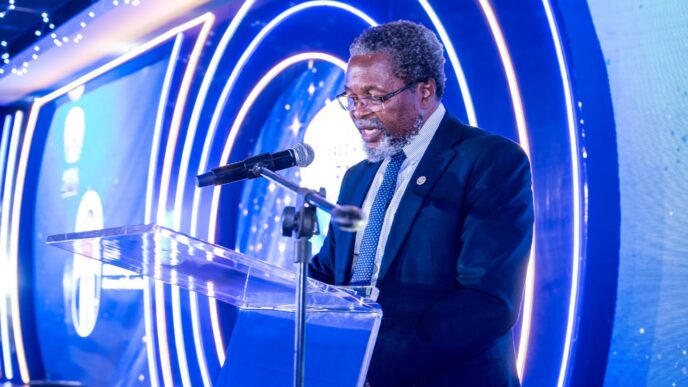
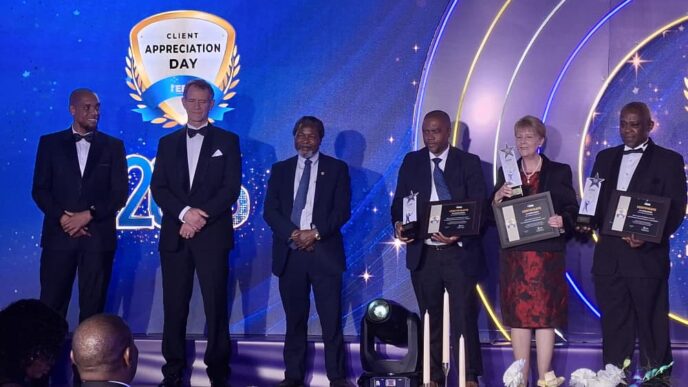
The ERS Commissioner General Brightwell Nkambule, who was the host, honoured about 30 compliant taxpayers at his afternoon dinner at the Happy Valley on Friday, 10 July, in front of dignitaries and the nation, with his main guest being the South African Revenue Service (SARS) Commissioner, Dr Johnstone Makhubu.
The ERS could only have dreamed of such outcomes 15 years ago when it began. However, in 2020, it transformed from an authority to a service, enhancing customer relations by treating taxpayers as clients rather than simply subjects to be taxed.
“The progress achieved during this period is a story not only about the ERS but also about the taxpayers, the traders, government institutions, and partners. We have walked this journey together,” Nkambule said.
Revenue collection shifted heavily reliance on the SACU receipts which show trends of volatility. Domestic revenue ‘has increasingly become an important source of national financing’.
It enables Eswatini to reduce its vulnerability to revenue and revenue movements while strengthening its capacity to finance national economies from resources mobilised within the country.
This is rooted in the philosophy of Jean-Baptiste Colbert’s famous ‘the art of taxation’ saying. “In his own words, he [Colbert] said, “The art of taxation consists in plucking the goose to obtain the maximum or the largest amount of feathers with as much of a hiss from the duck.” This becomes a guiding principle for revenue administrations,” Nkambule said.
ERS believes good legislation, data, technology, and risk management tactics are much needed support.
“At the ERS, we have deliberately moved away from viewing taxpayers merely as people from whom revenue must be collected.
“We regard taxpayers and traders as clients and partners in the development of the country. Our objective is not only to enforce compliance, it is to create an environment in which compliance becomes easier and a natural compliance,” Nkambule said.
This has enabled the ERS to visit citizens in their own communities. ERS is now fixing customer service glitches to ensure seamless customer experience.
“We have also invested significantly in improving client experience,” he said.