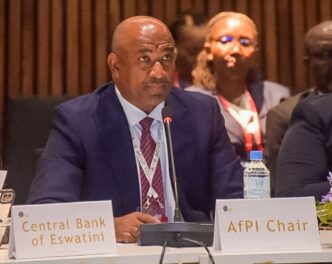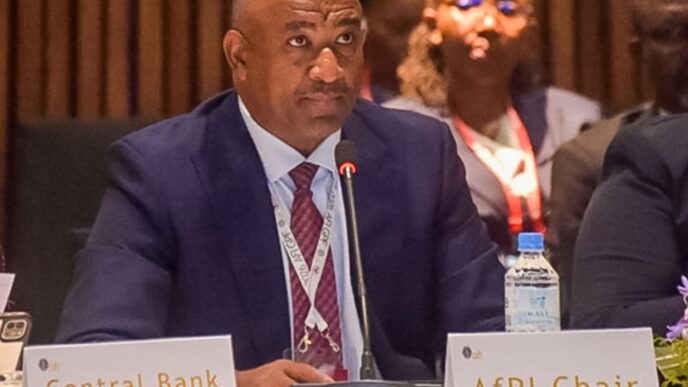




Ezulwini – Eswatini’s minister of finance, Neal Rijkenberg, says compliant taxpayers who file their tax returns on time enable the building of schools, construction and maintenance of roads, provision of health services and other essential services as well as the payment of civil servants.
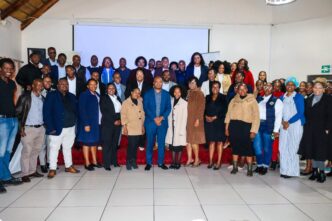
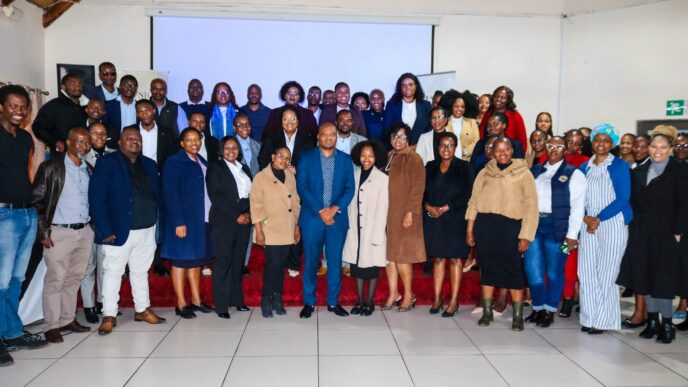
He also said every accurate declaration and every timely payment forms part of a much bigger national story for Eswatini. He was speaking on Friday evening at the fourth Eswatini Revenue Service (ERS) appreciation day at Happy Valley while observing that the annual event grows into a meaningful and significant one over the years.
“It’s becoming an important national moment. And it reminds us that the work of building Eswatini is not carried by the government alone. It’s carried by every business that keeps proper records. Every employer submits on time. Every trader that declares correctly. And every citizen understands that compliance is part of responsible nation-building. That is why with your team, stars of compliance, honouring clients who build Eswatini is so fitting,” he said. 
Every contribution made by people, companies, and organisations is felt throughout the nation, according to the minister.
He stated in his speech that although compliance is an administrative act, it is one way that conscientious citizens and companies contribute to the development of their nation.
In 15 years, the ERS has grown into a mature and increasingly modern institution that plays a central role in Eswatini’s crystal stability.
It has more than tripled the domestic revenue collection, which the minister says is an achievement reflecting sustained growth, strong resistance, improved compliance management, better taxpayer education, and the dedication of those that serve in the institution.
Rijkenberg said the government recognises the progress the ERS has made over the years, propelling them to define the next phase by even greater modernisation, deep trust, strong partnership and a continued shift towards voluntary compliance.
“Ladies and gentlemen, one of the lessons we continue to learn is that compliance cannot be achieved to enforce the law. It builds through trust, taxpayer education, partnerships and a shared understanding of why revenue matters. I therefore wish to acknowledge that many parties continue to assist in promoting compliance across the country,” he said.
He noted that platforms facilitating dialogue are instrumental in reaching communities that may lack easy access to information on tax compliance. He urged for more collective efforts to enhance the understandability, accessibility, and trustworthiness of the tax system.
“For many citizens, taxes can feel distant. Feel like money that leaves their pockets for their businesses with the impact not always immediately visible. The taxes at work programme seems to change that by showing the real beneficiaries of public revenues,” he said, stating that children get to attend school, patients get medical care in public health facilities, and a community can benefit from infrastructure and the services that come to be because of public infrastructure.
Rijkenberg placed a strong emphasis on modernity and compliance.
“The country is changing, business practices are changing, and tax administration must also evolve in response. In this regard, I wish to commend the ERS for the ongoing rollout of the e-invoicing crystallisation solution. This reform is one of the most significant steps on our journey towards a more transparent, efficient, and data-driven tax system,” he said.