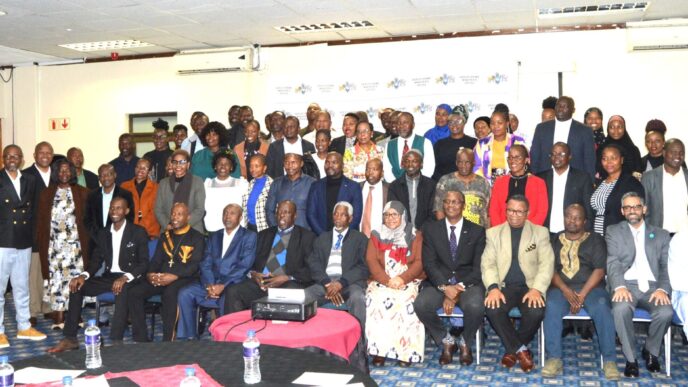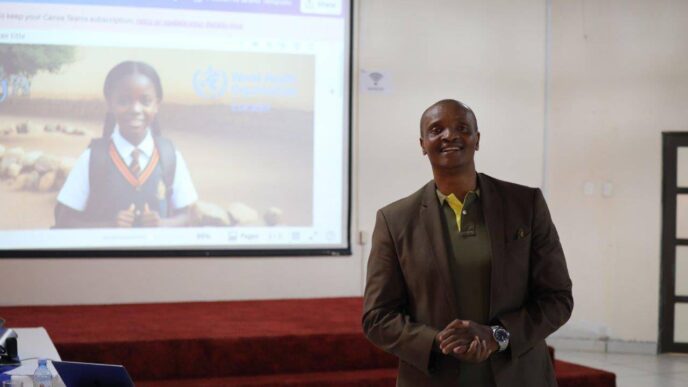


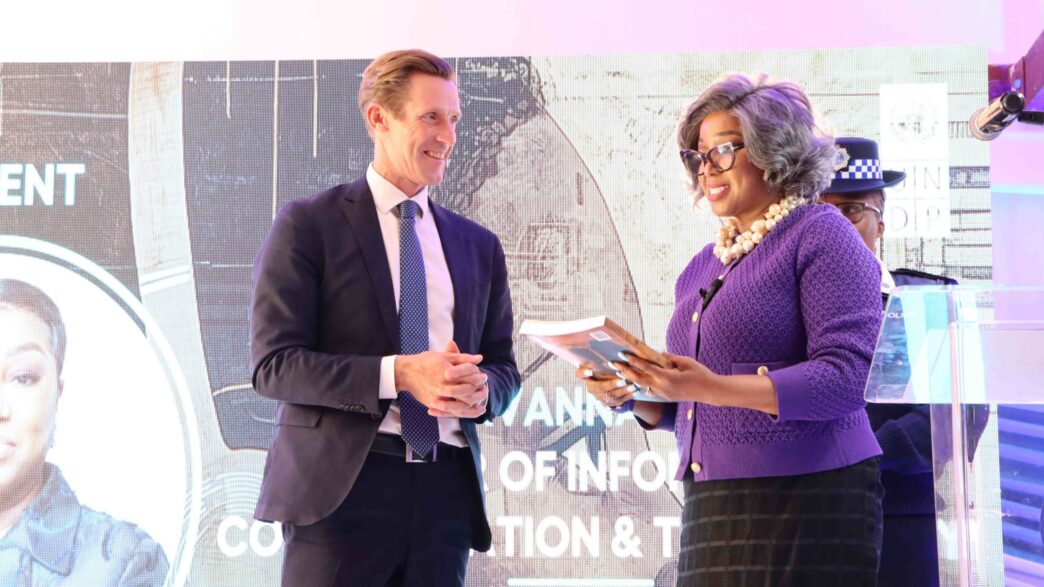
Stakeholders from across Eswatini convened at the University of Eswatini (UNESWA), Kwaluseni Campus, to discuss the future of human development and the role Artificial Intelligence (AI) could play in shaping it. The national dialogue came just two weeks after the global launch of the 2025 Human Development Report (HDR), published by the United Nations Development Programme (UNDP).
The gathering, led by the Ministry of Economic Planning and Development, brought together government officials, academics, private sector players, and youth representatives. With the theme “A Matter of Choice: People and Possibilities in the Age of AI,” the conversation focused on how Eswatini can navigate AI advances to improve education, healthcare, jobs, and governance.
UNDP Resident Representative Henrik Franklin told attendees that AI is rapidly altering how societies function—from the classroom to public service delivery. Quoting UNDP Administrator Achim Steiner, Franklin noted that the key issue is not just the power of AI, but the decisions societies make about its use. 

The 2025 HDR identifies three main strategies for AI-led development: creating synergy between human effort and AI tools; designing technology to be inclusive; and prioritising investment in education and healthcare systems. These pillars aim to help countries like Eswatini use AI not just as a tool, but as a means to expand opportunity.
Minister of Information, Communications and Technology, Savannah Maziya, delivered remarks on behalf of Economic Planning and Development Minister Dr. Tambo Gina. She said Eswatini views AI as a catalyst for growth rather than a threat, noting that although some jobs will be disrupted, more new ones are expected to emerge in the digital economy.
“The World Economic Forum forecasts that while 85 million jobs could be lost to automation, 97 million new roles will be created,” said Maziya. “This change opens up opportunities for our youth, improves service delivery, and attracts investment by promoting a highly skilled workforce.”
UNESWA Vice Chancellor, Professor Justice Thwala, stressed the importance of applying AI responsibly and thanked the UNDP for engaging the university community. UN Resident Coordinator George Wachira pointed out that AI must reflect the cultural and linguistic diversity of Eswatini, calling for localised AI training that mirrors the country’s needs.
British High Commissioner to Eswatini, Mr. Colin Wells, said digital transformation has already proven to be a force for good elsewhere and encouraged Eswatini to embrace its potential.
“Whether in bustling cities or rural areas, technology is driving connection, innovation and economic resilience,” said Wells. “Eswatini has the opportunity to shape its future by steering AI development to meet its unique challenges.”