

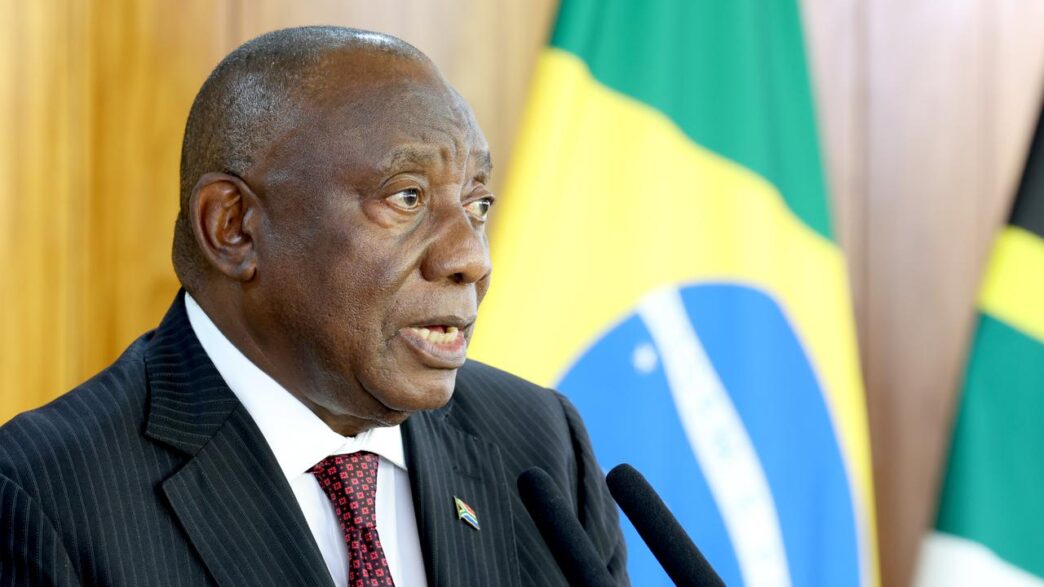
His Excellency Matamela Cyril Ramaphosa has called on Southern African nations to reflect on their shared history as the region observes Southern Africa Liberation Day on 23 March 2026.
Addressing citizens and regional partners, President Ramaphosa honoured “the brave men and women who stood at the forefront of the struggle to liberate the Southern African region,” acknowledging the sacrifices made by freedom fighters and ordinary citizens against colonial rule and apartheid. He said their resilience “laid the foundation for the peace, dignity, and sovereignty we uphold today.”
The South African leader also recalled international solidarity, particularly from Cuba, noting that its military support during the Battle of Cuito Cuanavale in Angola played a pivotal role in challenging the South African Defence Force. “This decisive confrontation marked a turning point in the struggle for liberation in Southern Africa, contributing significantly to the independence of Namibia in 1990, and paving the way for the first democratic elections in South Africa in 1994,” he stated. 
President Ramaphosa urged reflection on the region’s current progress compared to historical struggles, noting the importance of citizens exercising control over governance and economies. He pointed to the 38th SADC Heads of State and Government Summit held in August 2018 in Windhoek, Namibia, where a regional working group of curriculum experts was tasked with integrating Southern African Liberation History into school curricula across member states.
He called for continued solidarity through initiatives that preserve the legacy of liberation heroes, including the naming of heritage sites, museums, monuments, streets, and buildings. “In doing so, we preserve their legacy, inspire future generations, and reaffirm our collective commitment to the values of freedom, unity, and dignity for which they so selflessly stood,” Ramaphosa said.
The President warned of emerging global challenges that could threaten independence and regional stability, urging member states to remain “focused, united, and steadfast in advancing our common regional agenda, guided by the enduring principles of solidarity, resilience, and collective self-determination.”
He further extended solidarity to those still seeking self-determination, specifically the Sahrawi Arab Democratic Republic. “The liberation we commemorate will remain incomplete as long as some of our fellow Africans continue to yearn for self-determination,” he said.
Ramaphosa concluded with a call for dialogue and peace, urging SADC nations to pursue regional and universal integration. “May dialogue and peace be our most righteous armour to safeguard the freedom we continue to enjoy and work collectively toward a more just and equitable world. Let us ensure that SADC, the cradle of humanity, realises its hopes towards regional and universal integration.”
He wished the SADC family a “blessed, peaceful and commemorative Liberation Day.”