

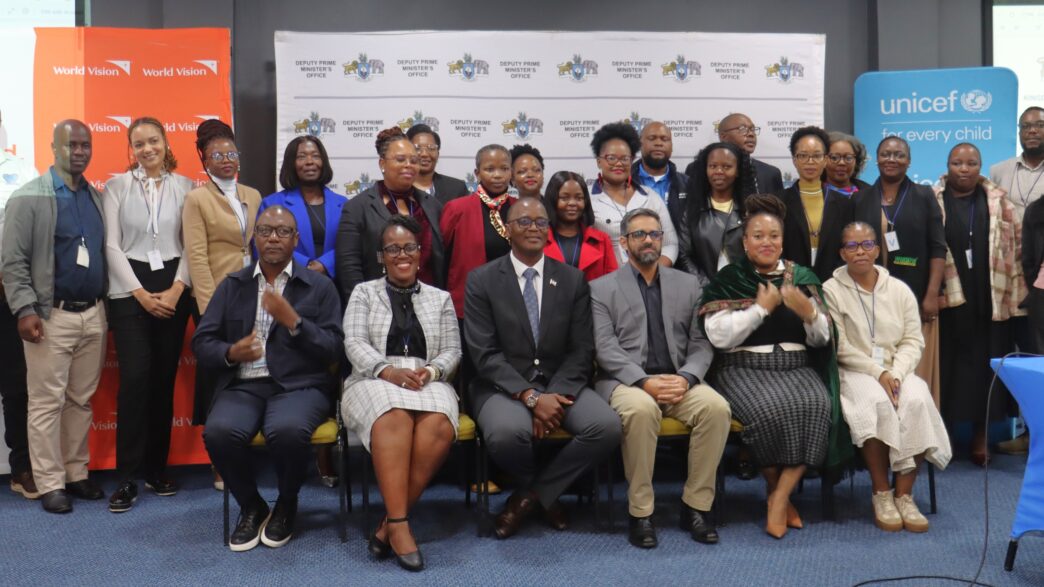
Mbabane – World Vision Eswatini, alongside civil society partners and members of the children’s consortium, held a capacity-building workshop on child participation yesterday. The workshop was facilitated by the Deputy Prime Minister’s Office and supported by World Vision and UNICEF Eswatini.
Makhosi Simelane, Under Secretary in the Deputy Prime Minister’s Office, opened the event, warning that consultations with children can often become routine rather than meaningful. “This workshop is a critical step towards ensuring children’s voices are meaningfully included in decision-making processes that affect their lives,” Simelane said.
Zanele Gamedze, World Vision’s Senior Integrated Sponsorship and Child Protection Lead, presented the organisation’s Transformative Child Engagement approach. She said child participation goes beyond giving children a voice, aiming to empower them as active agents of change who can influence decisions and contribute to sustainable development outcomes. 
“Meaningful child participation must be safe, inclusive, and age-appropriate, ensuring that children are not just present, but have real influence,” Gamedze said. She added that engagement should move from tokenistic exercises to genuine partnerships between children, families, communities, and institutions, grounded in mutual respect.
Gamedze also noted that World Vision prioritises reaching the most vulnerable children, including girls, children with disabilities, and those in fragile settings. “Through child-led clubs, community dialogues, and advocacy platforms, children are supported to build confidence, leadership, and life skills while actively shaping their communities,” she said.