



Manzini – The National Curriculum Centre’s (NCC) Nelisiwe Nkonyane said parents, schools and society have a duty to meet children in the digital space to reduce the threat of diminishing Eswatini stories.
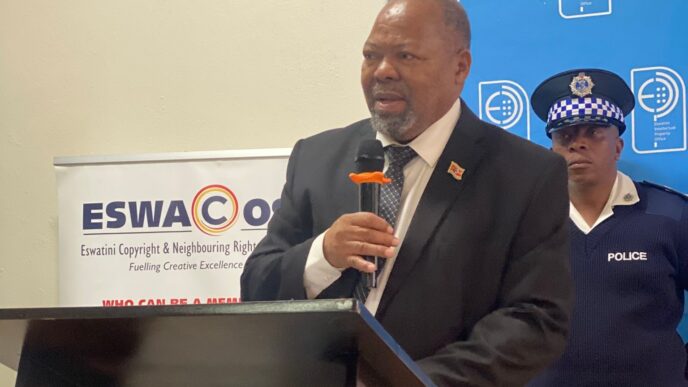
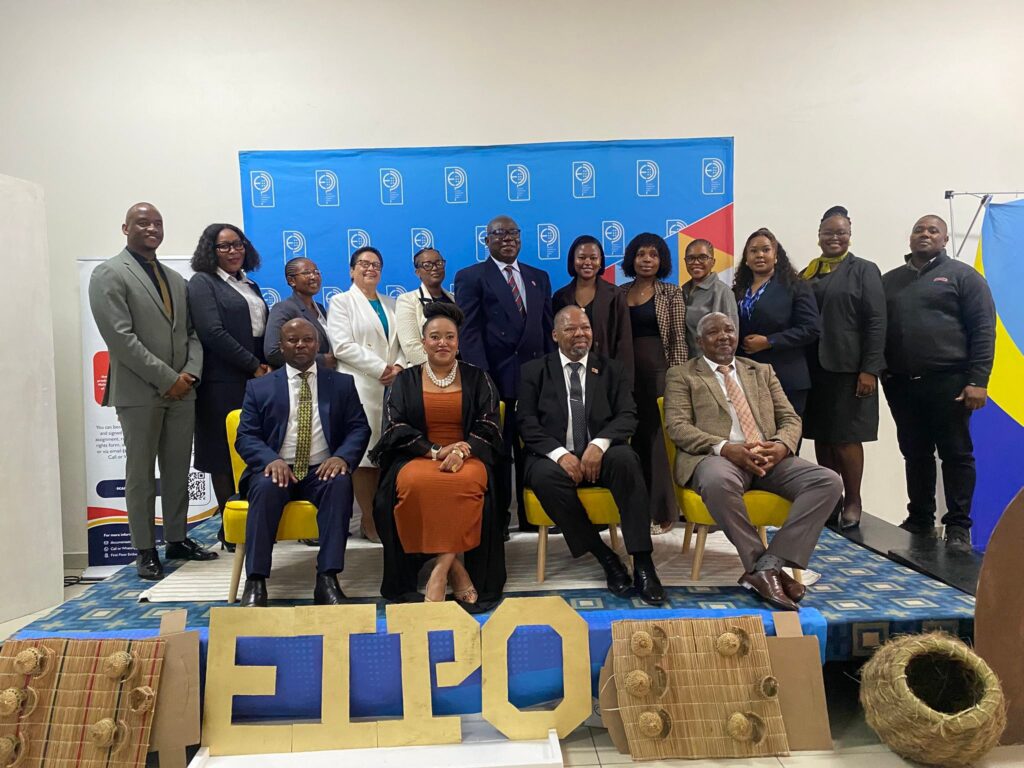
Nkonyane spoke at the World Book and Copyright Day commemoration at The George Hotel, Manzini, to creatives, government officials, industry leaders and stakeholders, saying that it was imperative to infuse the narrative into the global digital presence and to promote Eswatini stories in a digital age. This subject, she noted, holds particular significance for the NCC.
“So many times our stories are told through a colonial lens, and then the narrative gets lost. Our voices are silenced. So, in the position that I’m in this morning at the National Curriculum Center, I find the honour to be able to assist learners to find their voice and tell their story,” Nkonyane said. 
Nkonyane said Emaswati must learn to identify where their stories come from and where they need to go and not be missing in the link. She said it was important to protect Eswatini stories for them to continue to have value, saying, ‘Every nation is remembered through its stories.’
“Before nations are known for products and technology, they are known for their identity. And identity is carried out through stories.”
Nkonyane stated that it provided a purpose for these myths and folk tales to be passed down through oral tradition. Stories helped not only to unwind but also connected generations, children to grandparents, and the diaspora to the homeland, she said.
“Think for a moment with me. When you think of ancient Greece. What things or names come to your mind? And I’m sure we’re all aware of the Odyssey, which is a journey of audacious heroism that has carried the presence of heroism within Greek culture for centuries. And when we think of West Africa, you think of tradition?”
Nkonyane stated that the transition from oral tradition to digitisation, in which grandparents taught folk tales, praise poems, songs, and rites, must be preserved. She said it served to pass wisdom through proverbs.
“This was our original digital network of the human voice and human memory. But the world has changed,” Nkonyane said.
She stated that in order for the kids to hear true stories, they must be reached through digital channels. Nkonyane said the digital age must not be seen as a threat to culture but an opportunity, as folk tales can be animated and produced as films. She also stated that praising poetry can become podcasts, and oral tradition can become ebooks and apps popular among children.
“And if our stories do not transition into digital spaces, other people’s stories will dominate our children’s imagination. And that is a threat,” Nkonyane said.