

Pretoria – Senior officials from the Southern African Development Community met in a dedicated session to tackle the growing foot and mouth disease outbreak spreading across the region, raising alarm that the crisis now threatens food security, rural livelihoods and trade across member states, including Eswatini.
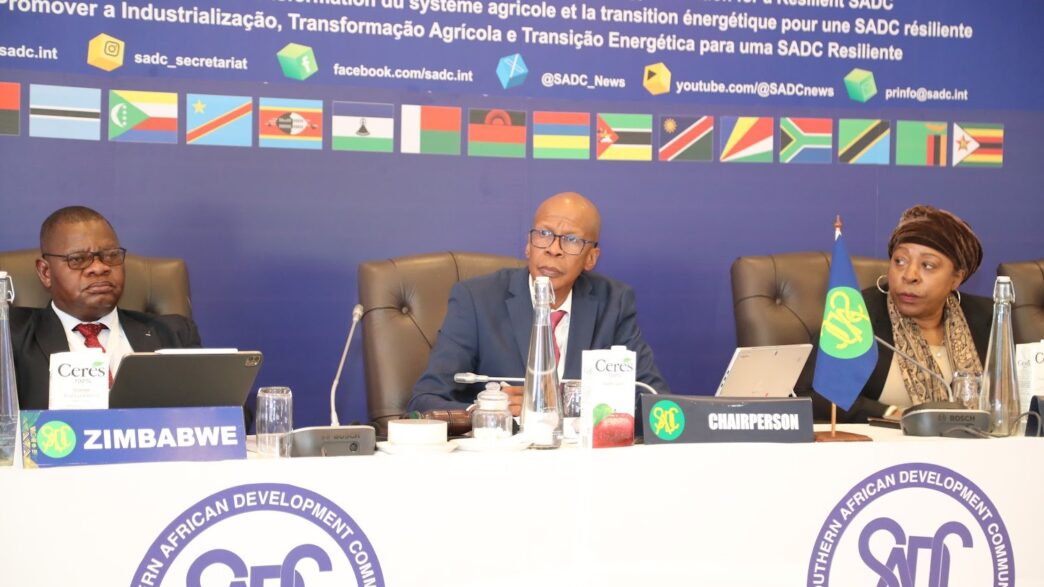
The session was part of the SADC Senior Officials Meeting on Agriculture, Food Security, Fisheries and Aquaculture, and came as concern mounted that foot and mouth disease had moved well beyond a veterinary matter into a broader socio-economic threat affecting livestock-based livelihoods, market access and regional economic resilience.
The meeting took place almost two months after the SADC Council of Ministers, which gathered in Pretoria, South Africa in March 2026, urged member states to speed up a coordinated regional response. That response was to include stronger cross-border surveillance, harmonised vaccination strategies, better information sharing and resource mobilisation. 
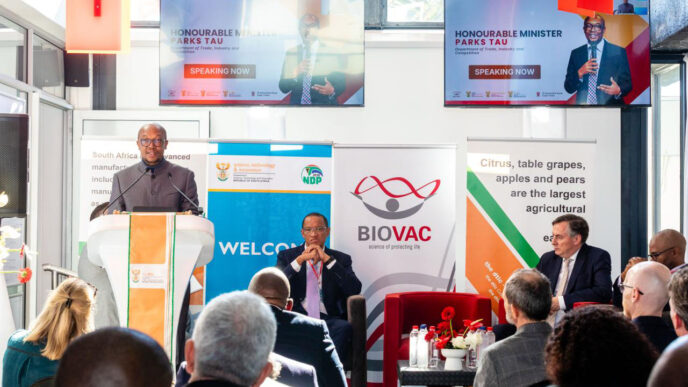
Presentations were delivered by Dr. Elma Zanamwe, Project Coordinator for STOSAR, Dr. Keabetswe Moagabo, Acting Chief Executive Officer of the Botswana Vaccine Institute, and Dr. Montserrat Aroyo, Deputy Director of the World Organisation for Animal Health. All three called for a coordinated approach to sustainably manage foot and mouth disease and other priority transboundary diseases that impact food security and regional trade. They told delegates that controlling the disease should be treated as a regional investment in livestock resilience, trade continuity and rural economic stability.
Dr. Emily Mogajane, Chief Director for Biosecurity Coordination in South Africa’s Department of Agriculture, shared her country’s experiences and the measures it has taken to contain the outbreak, pointing to the need for stronger surveillance, movement control and vaccination.