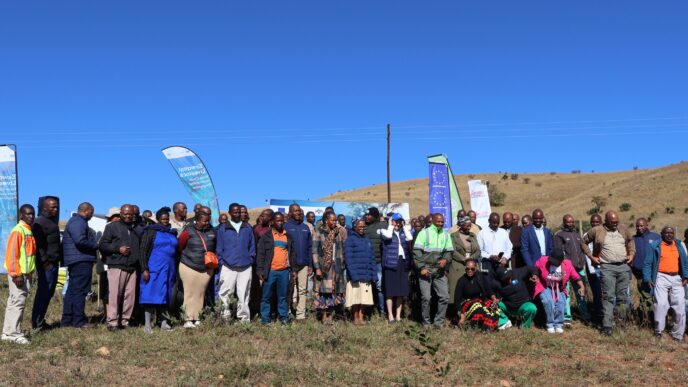


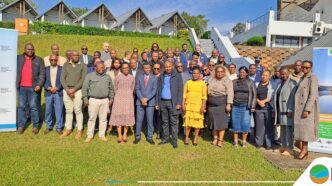
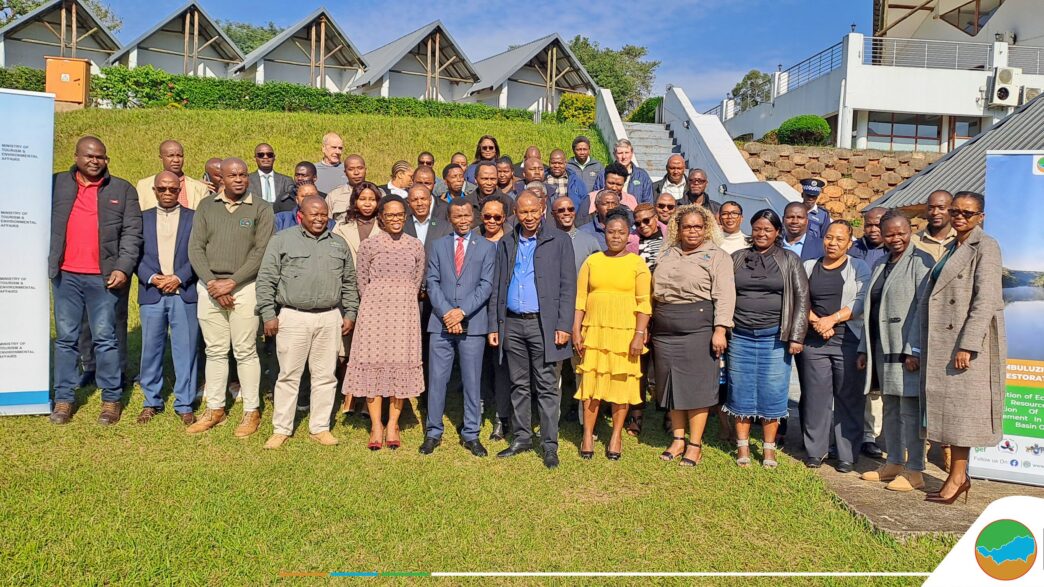
Mbabane – Government officials, traditional leaders, academics, and civil society representatives met this week to review and validate a revised Draft Forest Bill that could reshape how Eswatini manages its forests for generations to come.
The Ministry of Tourism and Environmental Affairs, through the Eswatini Forestry Department, convened the stakeholder validation workshop to scrutinise proposed changes to the Forest Bill of 2016. The private sector and development partners also took part in the proceedings.
The workshop was supported through the Mbuluzi Ecosystems Restoration Project, which is executed by the Eswatini National Trust Commission with funding from the Global Environment Facility and implemented by the UN Environment Programme. 
The revision of the 2016 Forest Bill seeks to modernise Eswatini’s forest governance framework to address emerging environmental and social priorities. The updated legislation strengthens provisions for biodiversity conservation, promotes sustainable management and use of forest resources, and integrates social inclusion and gender mainstreaming to ensure the benefits of forest resources are equitably shared and that all stakeholders have a voice in forest governance.
The revised bill draws on inputs gathered through previous consultations and validation processes, and represents a significant milestone towards a more inclusive and sustainable legal framework for the conservation, protection, management, and sustainable use of forest resources.
The workshop falls under Component 1 of the Mbuluzi Ecosystems Restoration Project, which supports the creation of an enabling environment for ecosystem restoration, biodiversity conservation, and sustainable land management within the Mbuluzi River Basin.
Forests in Eswatini are central to protecting biodiversity, securing water resources, supporting climate resilience, reducing land degradation, and sustaining rural livelihoods. A stronger legal framework governing these resources is therefore seen as an investment in both environmental sustainability and community wellbeing.