

Manzini – The United Nations in Eswatini has officially handed over renewable energy and energy-efficient technologies to 16 micro, small and medium enterprises (MSMEs), 11 schools and 11 Neighbourhood Care Points (NCPs) across the country, marking the culmination of the “Igniting Eswatini’s Green Engine” programme.

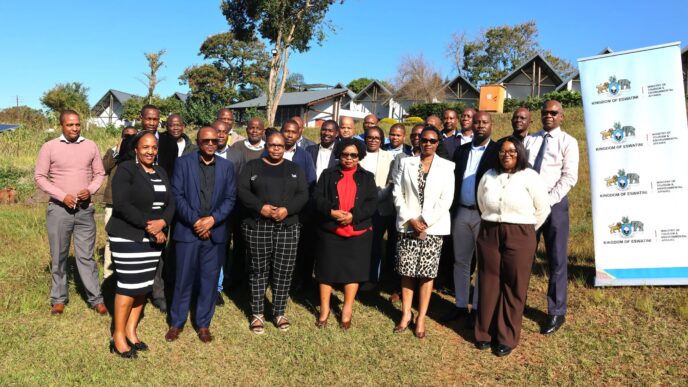
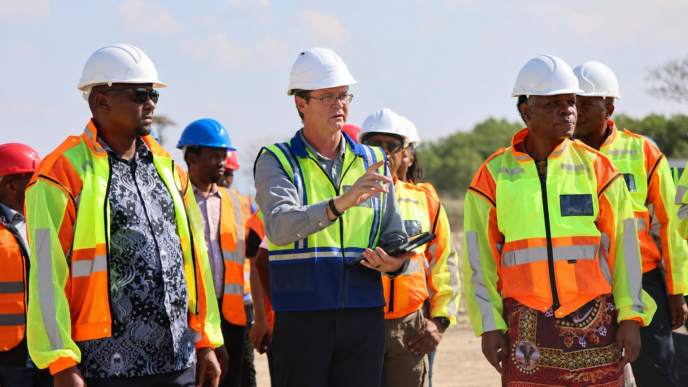
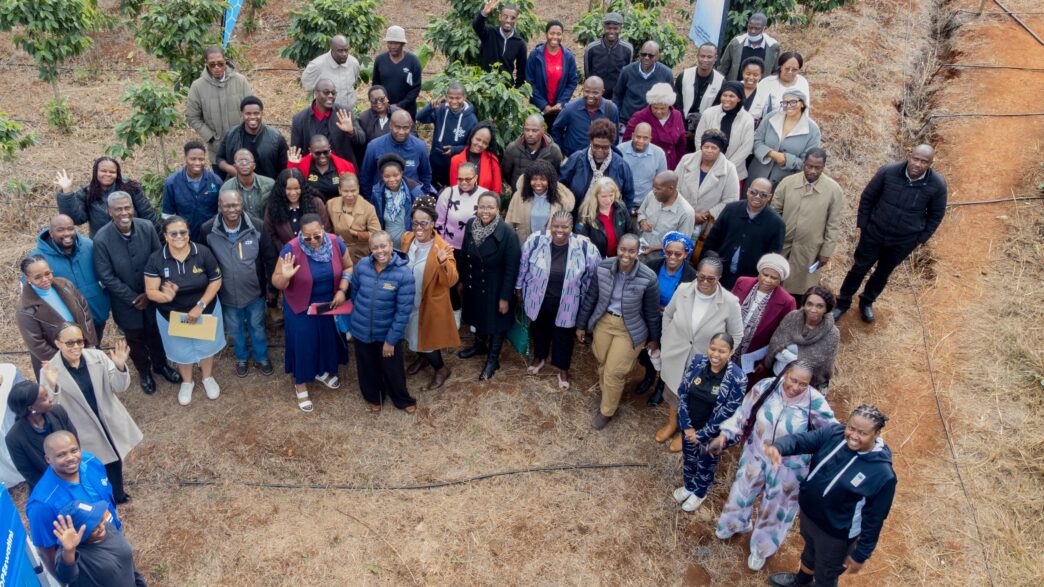
The handover ceremony took place at ASW Pty Ltd, a coffee farm in Lwandle outside Manzini, where government officials, development partners and beneficiaries gathered to witness the results of a programme that has already reached more than 15,000 people.
The initiative was funded through the Joint SDG Fund with an investment of USD250,000, complemented by co-financing contributions of USD50,000 each from the World Food Programme (WFP) and the United Nations Development Programme (UNDP), under the coordination of the United Nations Resident Coordinator’s Office (UNRCO). Implementation was led by UNDP and WFP in partnership with the Ministry of Natural Resources and Energy. 
The programme supported businesses operating in the hospitality, agro-processing, catering, retail and creative sectors across Eswatini’s four regions. Beneficiaries reported reduced energy costs, improved operational efficiency and increased access to reliable, sustainable energy.
UNDP Eswatini/Menzi
Energy independence at the bottle store
Among the standout success stories is Skhayithi Bottle Store, which now operates entirely off-grid using solar battery storage, making it the first MSME beneficiary under the programme to achieve complete energy independence for its cold storage and retail operations.
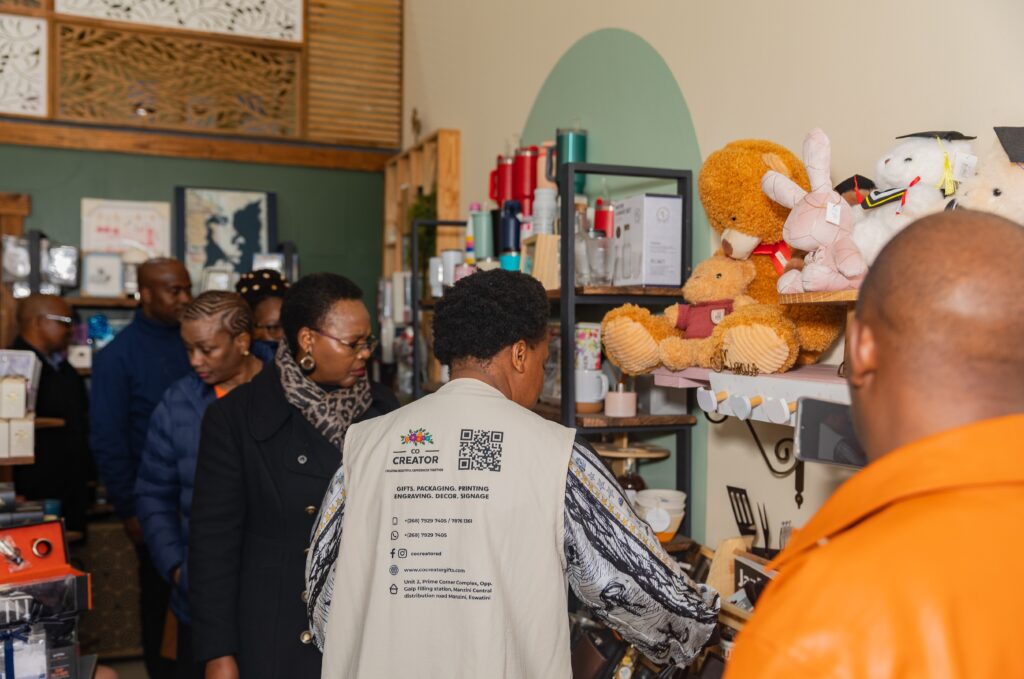
Cocreator Investments Pty Ltd received a 5-kW solar power pack, energy-efficient air-conditioning systems and smart plugs, significantly cutting electricity consumption and operational costs.
At Sinakekelinhlalakahle yeSive NCP outside Manzini, which serves approximately 50 children, traditional firewood cooking has been replaced by a biogas system, reducing wood fuel dependence and improving conditions for caregivers and children.
UNDP Eswatini/Menzi
Farmers and schools benefit
Beneficiary Thembisile Mafu told the gathering how rising energy costs and power interruptions had previously constrained her farming and poultry business. A solar-powered pump and brooding heater have since transformed her operations.
Mafu also pointed to the need to build local technical capacity, saying the programme had revealed gaps in renewable energy installation and maintenance skills among Eswatini’s technicians.
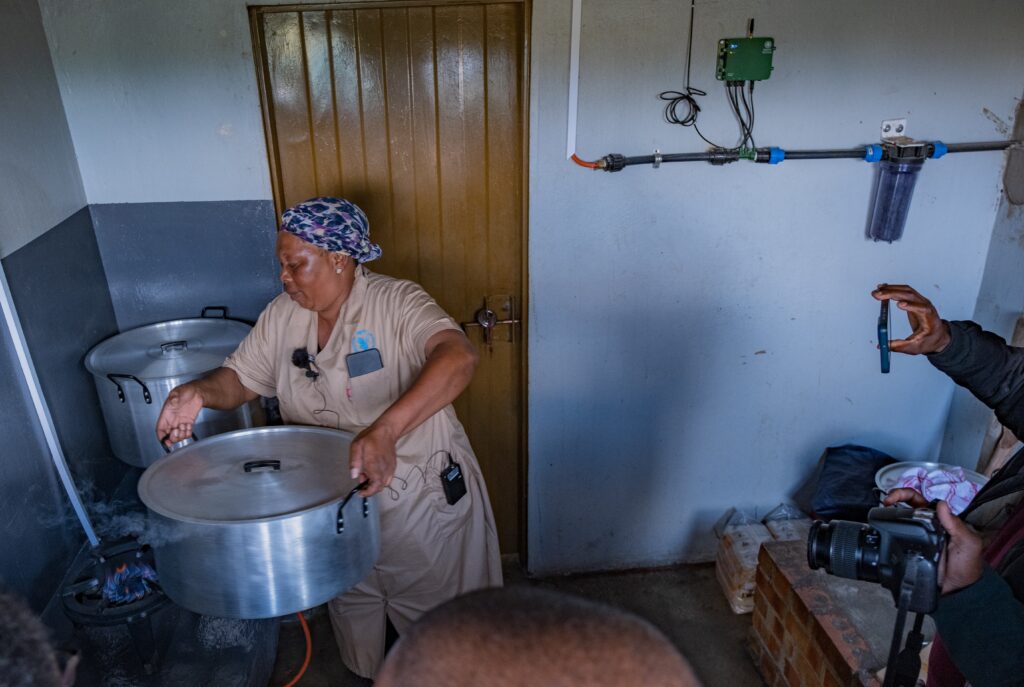
At St Joseph’s High School, which serves more than 200 learners including children with disabilities, an energy-efficient pressure cooker has cut bean cooking time from approximately three hours to under one hour.
Principal Andreas Thwala said the school had previously depended heavily on firewood.
“The smoke created a very uncomfortable environment for those preparing meals in the kitchen,” he said.

UNDP Eswatini/Menzi
Government calls for more collaboration
Undersecretary-Technical in the Ministry of Natural Resources and Energy, Ms Gabsile Mabuza, reaffirmed the government’s commitment to affordable, reliable and sustainable energy.
“As we celebrate today’s achievements, we must also be honest that the work is not yet done,” she said, calling for stronger collaboration among stakeholders.
“Government provides the policy environment and national ownership. Development partners bring resources, technical expertise and innovation. The private sector brings efficiency and sustainability. Communities bring buy-in and accountability.”
UNDP Eswatini/Menzi Makhanya
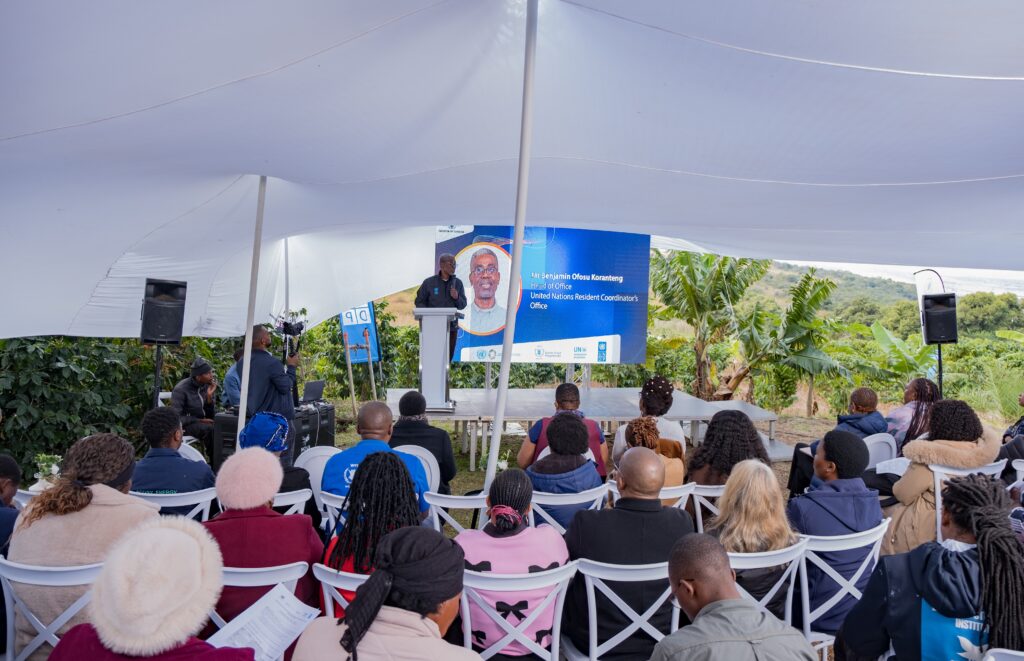
UNDP Deputy Resident Representative Ms Nessie Golakai-Gould described the programme as a pilot designed to generate evidence for future interventions.
“There is a need to monitor performance, document results and share experiences,” she said. “I encourage open discussions about both successes and challenges to inform future interventions.”
UNRCO Head of Office Mr Benjamin Ofosu-Koranteng said the programme demonstrated the value of the United Nations working collectively to accelerate sustainable development.