




Mbabane – The Ministry of Tourism and Environmental Affairs convened a stakeholder workshop on Tuesday to validate Eswatini’s Nuclear and Radiation Safety Regulations, marking a significant step in the country’s effort to regulate the safe use of nuclear and radiation technologies.
The validation exercise brought together representatives from government, the private sector, and prospective users of the regulations to review and consolidate input before the framework moves through the formal legislative process.
Radiation technologies are already in use across several sectors in Eswatini, including healthcare, agriculture, industry, scientific research, and environmental monitoring. When properly managed, the technologies support disease diagnosis and treatment, improve crop and livestock production, assist with industrial quality control, and contribute to environmental protection. 
Minister of Tourism and Environmental Affairs Honourable Jane Mkhonta-Simelane told the workshop that the government would not compromise on safety standards.
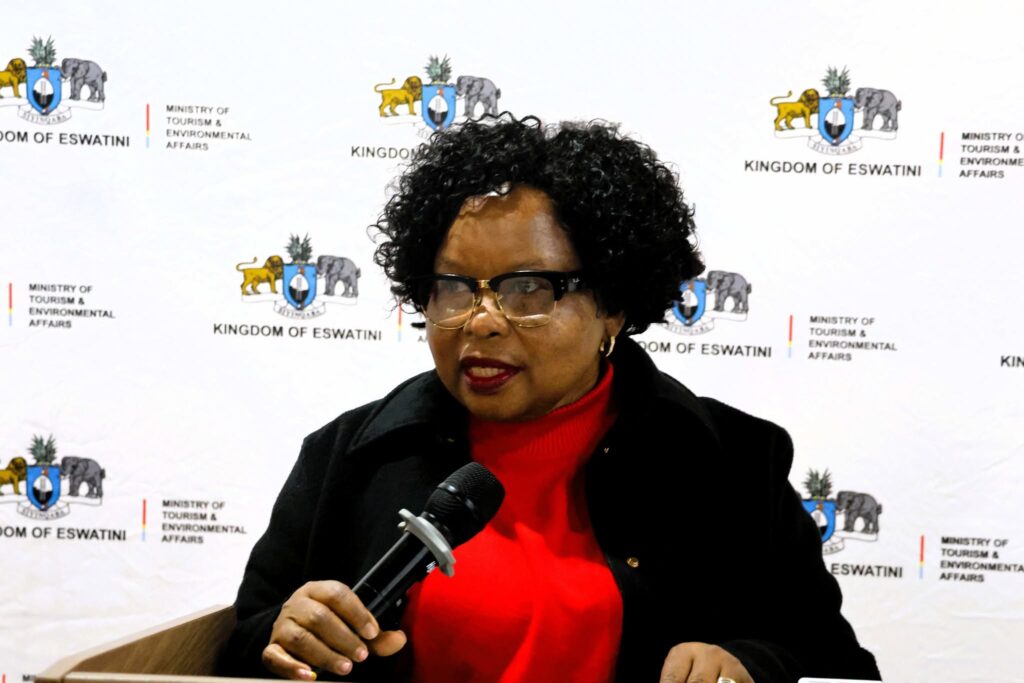
“Safety is non-negotiable. By validating these regulations, we demonstrate accountability, responsibility, and foresight. We show the world that our nation is committed to harnessing nuclear energy responsibly, with the well-being of our people at the forefront,” she said.
Speaking partly in SiSwati, the Minister explained that Parliament passed the nuclear safety and radiation law in December last year, and the regulations being validated are the operational framework needed to give that law practical effect.
She said once stakeholders finalise and sign off on their input from the workshop, the regulations will return to the Ministry before travelling through the full legislative process to Parliament, where lawmakers will give them final approval.
The Minister also told the gathering that preparatory work was already well underway. Board members had travelled to Rwanda to study how that country structures its regulatory framework, while another delegation visited China to learn best practices in implementation. Both groups returned with separate action plans.
She said the next steps include putting in place dedicated staff, identifying suitable facilities, procuring equipment, and establishing support services as part of the broader action plan to operationalise the regulations once passed.