



PRETORIA– The Ministry of Health in South Africa says it is keeping a close watch on a new COVID-19 variant, known as Nimbus or NB.1.8.1, following a noticeable increase in infections across parts of Asia.
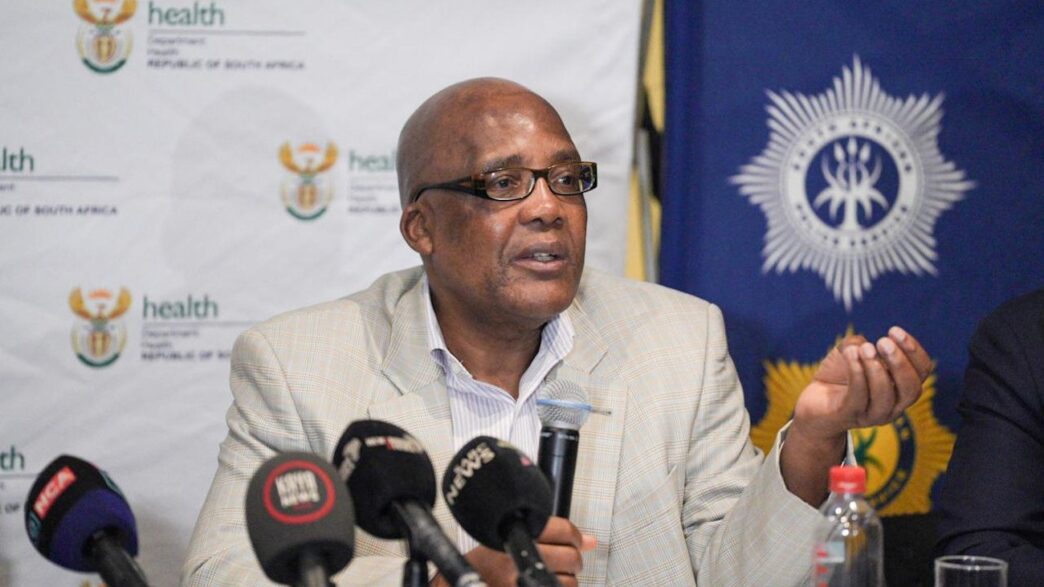
Health Minister Dr Aaron Motsoaledi made the statement during the ongoing G20 Health Working Group meeting being held in Johannesburg. He told delegates that the variant, which has already triggered a spike in cases in countries like India, Thailand, Indonesia, and China, is now listed by the World Health Organisation (WHO) as a “variant under monitoring.”
The United Kingdom has also detected 13 cases of the same variant, according to its Health Security Agency. 
Motsoaledi assured health leaders and policymakers at the gathering that South Africa’s surveillance systems, led by the National Institute for Communicable Diseases (NICD), remain active and capable of detecting emerging threats. He noted that while the country is currently dealing with a seasonal wave of influenza, the SARS-CoV-2 activity remains low for now.
“The NICD is running a sentinel surveillance programme which monitors respiratory viruses such as SARS-CoV-2, influenza, and RSV,” Motsoaledi said.
He added that the newly identified variant is still linked to the Omicron lineage, meaning existing vaccines remain effective and no additional public health measures are being introduced at this stage.
Public health campaigns are continuing to promote routine hygiene practices, including regular handwashing and encouraging people to stay home if unwell.
The G20 Health Working Group meeting, which began on Tuesday and wraps up on Friday, has brought together health leaders and experts from major economies and international organisations. Sessions are focusing on strengthening local manufacturing, improving access to vaccines in low- and middle-income countries, and preparing for future health emergencies through better cooperation and technology transfer.

