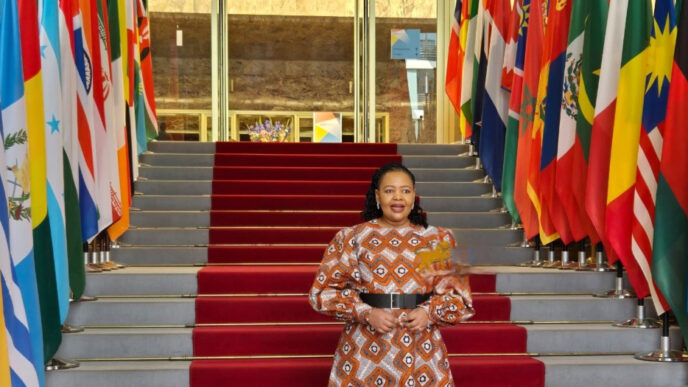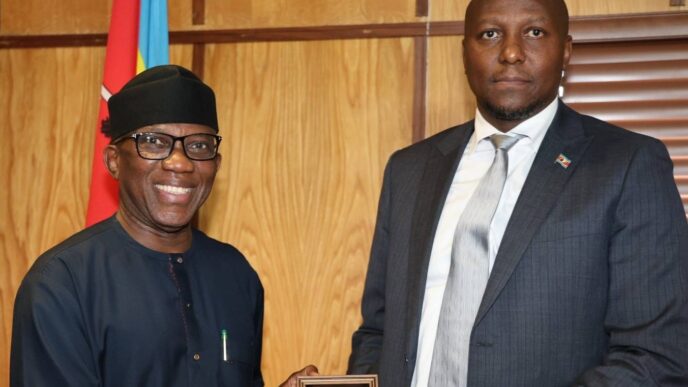


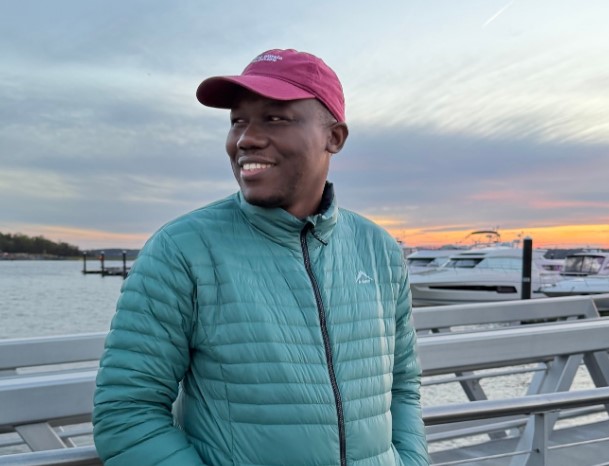
EZULWINI – The U.S. Embassy in Eswatini has announced that renowned cultural curator and arts administrator Sizo Hlophe is currently in the United States under the International Visitor Leadership Program on Driving Economic Growth through the Creative Industries.
Hlophe, known for his extensive contribution to the country’s arts sector, is representing Eswatini alongside other creative leaders from across Africa. The programme will see him travelling to several American cities where he will engage with experts and institutions focused on strengthening creative economies.
The visit forms part of the U.S. Department of State’s International Visitor Leadership Program, which brings together professionals from around the world to exchange ideas and build partnerships. During the exchange, Hlophe is expected to share information about opportunities to collaborate with Eswatini’s growing creative sector. 
Through his work with Sound Diplomacy, Antidote Culture Foundation, Antidote Music, Eswatini Theatre Club, and as a photographer and curator, Hlophe has played a significant role in developing local talent and advancing the professional standards of the country’s performing and creative arts industry. His initiatives have contributed to preserving Eswatini’s cultural heritage while creating economic opportunities for artists and practitioners.
The IVLP project will also expose participants to the different ways arts and culture are supported in the United States. These include entrepreneurship and innovation models, volunteerism and philanthropy, as well as government seed funding and policies that protect intellectual property, promote free speech and encourage public private partnerships that enable creative sectors to thrive.
The U.S. Embassy Eswatini reports that the programme offers a platform for cross cultural learning and collaboration, positioning Eswatini’s creative leadership within a global network.
Members of the public have been encouraged to follow Hlophe’s journey and share in the lessons drawn from American practices in creating meaningful cultural spaces and events rooted in history, art and community identity.