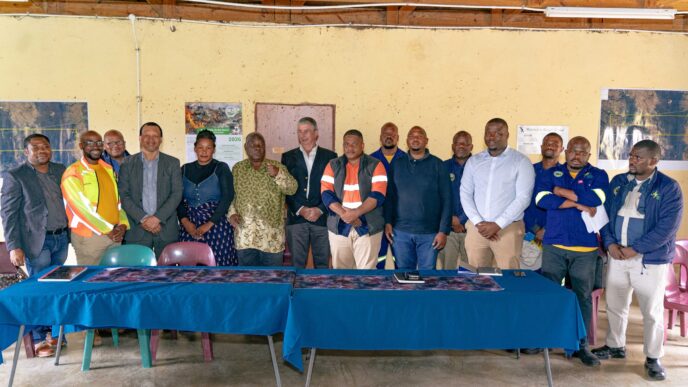




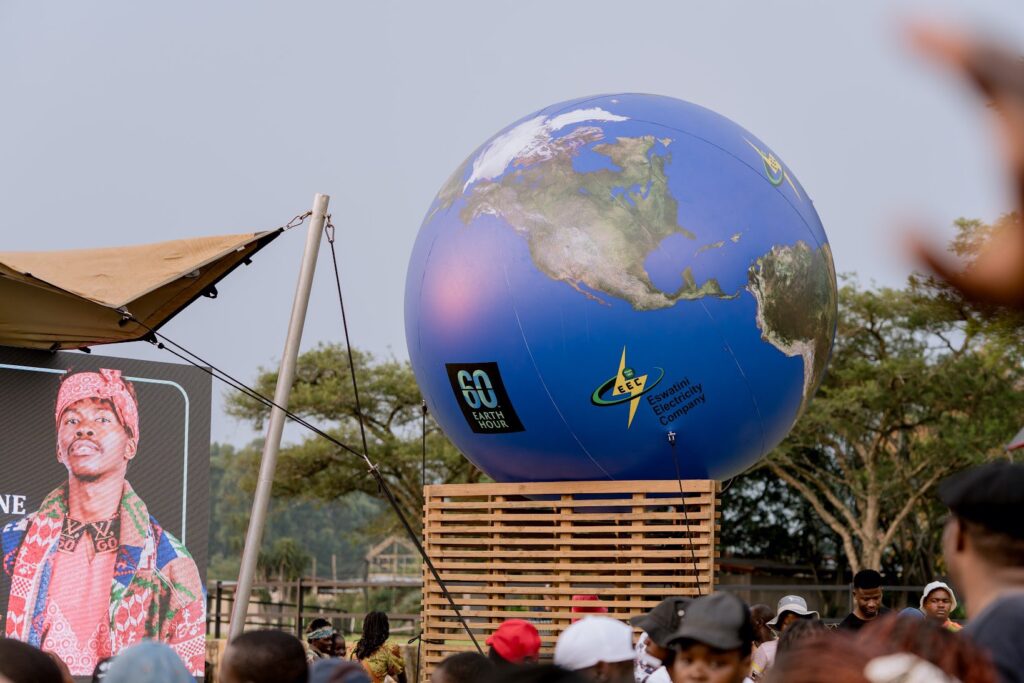
Mbabane – The Kingdom of Eswatini joined countries around the globe in commemorating Earth Hour 2026 under the theme #The Biggest Hour for Earth, with a renewed call for climate action and sustainable energy use.
The Minister of Natural Resources and Energy, HRH Prince Lonkhokhela, was represented at the event by Director of Energy Ms Thabile Nkhosi, who addressed stakeholders on government’s environmental commitments and the country’s energy priorities.
Ms Nkhosi said Eswatini remains firmly committed to climate action and environmental stewardship, noting that the national agenda focuses on energy security, reliability, affordability and sustainability. “The Government of the Kingdom of Eswatini has placed energy security at the centre of its development agenda,” she said. 

She outlined ongoing efforts to create a supportive policy and regulatory framework that attracts investment, drives innovation and strengthens partnerships within the energy sector. Energy efficiency, she said, remains critical in the country’s transition to a low carbon future, describing it as the “low-hanging fruit” in reducing emissions.
The Director called on businesses, institutions and communities to take the lead in expanding renewable energy initiatives, integrating environmental responsibility into corporate strategies and aligning with the global target of net zero emissions by 2050. “This transition is not a burden. It is an opportunity for innovation, for investment, for job creation, and for long-term energy security,” she said.
Earth Hour 2026 comes at a time when rising temperatures, erratic rainfall and extreme weather events continue to affect livelihoods, infrastructure, water systems, agriculture and economic stability across many countries, including Eswatini.
Ms Nkhosi encouraged emaSwati to take part in Earth Hour and to continue beyond the symbolic switch off by adopting energy efficient practices, embracing clean energy solutions and supporting mitigation and adaptation efforts. “Together, we can build a resilient, climate-responsive Eswatini aligned with global net zero ambitions.”