


Mbabane – Four Swazis will depart for India on Friday, 25 April 2026, to take part in the Indian Technical and Economic Cooperation (ITEC) Programme on “Space Technologies for the Benefit of Mankind: Indo-African Perspective.”
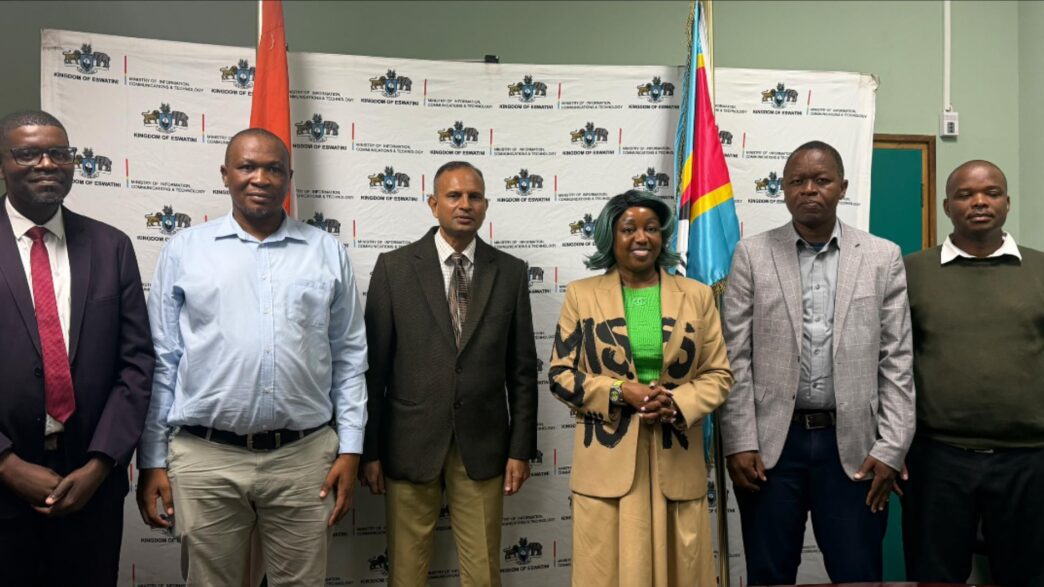
The Minister for Information, Communications and Technology, Savannah Maziya, announced the selected participants during a press conference, expressing appreciation to the Government of India and the Indian High Commission for extending the opportunity to the Kingdom.
The four participants drawn from academia and research institutions are Prof. Simiso Mkhonta and Dr. Sifiso Nkambule, both from the University of Eswatini (UNESWA), and Mr. Phesheya Sukati and Mr. Sikhumbuzo Dlamini, both from the Royal Science and Technology Park. 
The participants are expected to acquire advanced knowledge and practical skills in space science and technology, which the minister said will contribute to Eswatini’s development upon their return.
Minister Maziya said the ITEC Programme plays a pivotal role in strengthening human capital and supports the Government’s digital transformation agenda, including the “Government in Your Hand” initiative, which is focused on improving public service delivery through innovation, capacity building, and the adoption of digital technologies.
Indian High Commissioner H.E. Mr. N. Ram Prasad also addressed the press conference, saying the programme demonstrates India’s commitment to sharing its expertise with partner nations.
“The ITEC programme remains one of the shining examples and key pillars of capacity building under the South-South Cooperation initiative of the Government of India. We are pleased to share the expertise we have developed in space technologies with Eswatini, enabling the country to leapfrog several stages of development and position itself at the forefront of innovation,” he said.
H.E. Ram Prasad also noted the growing participation of Eswatini in the programme and reaffirmed India’s commitment to strengthening cooperation and supporting skills development, including increased opportunities for women through targeted training initiatives.
The minister pointed to the growing importance of space technologies in modern economies, noting that applications such as satellite communications, GPS, weather forecasting, and remote sensing are already transforming sectors including agriculture, disaster management, healthcare, and financial services.