

Ezulwini – African member states of the Organisation of African, Caribbean and Pacific States (OACPS) have intensified calls for an independent funding mechanism for the bloc, warning that continued reliance on external donors, particularly the European Union (EU), risks undermining the organisation’s autonomy and long-term sustainability.
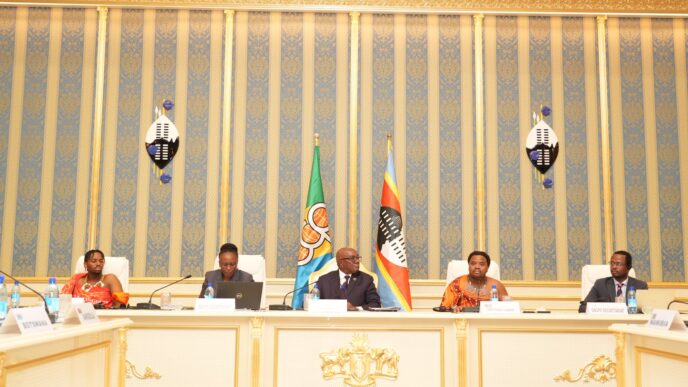
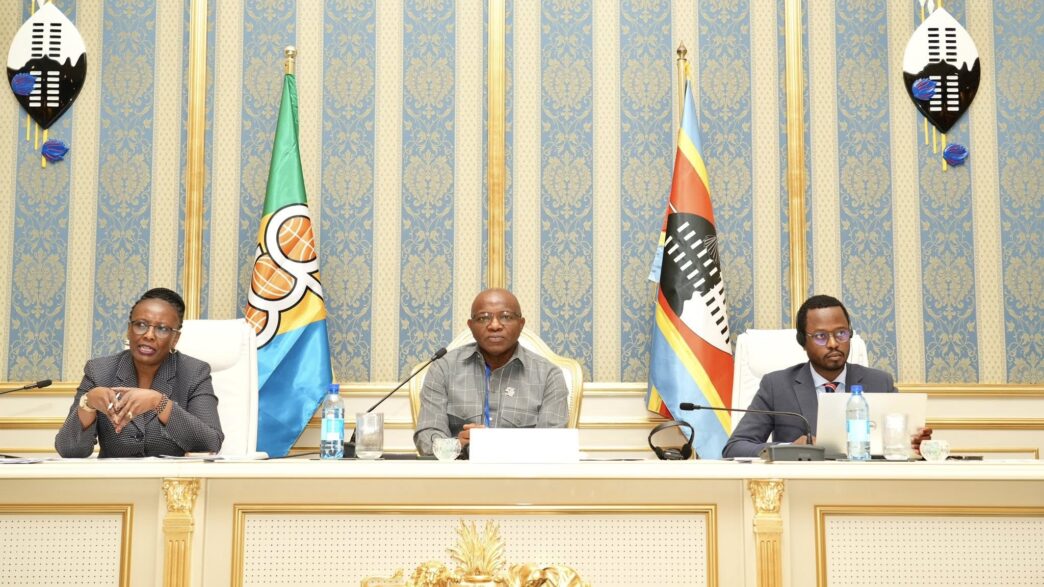
The calls emerged during a high-level brainstorming session held at the ICC eZulwini Palazzo in Eswatini ahead of the 1st OACPS-EU Parliamentary Assembly, where delegates from across the continent repeatedly returned to one issue: funding.
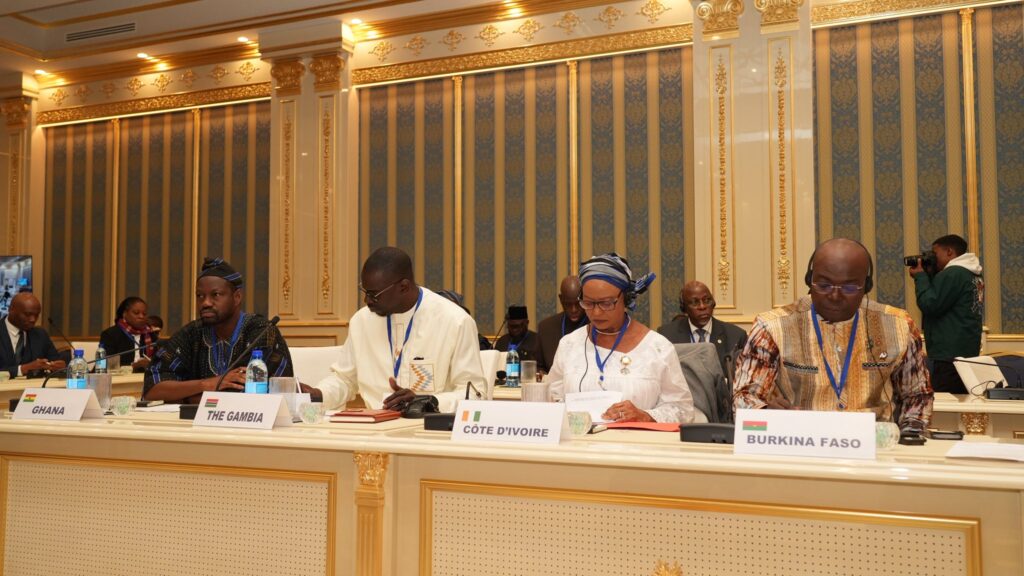
Photo: OACPS Secretariat
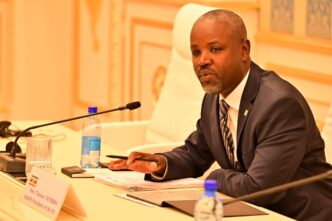
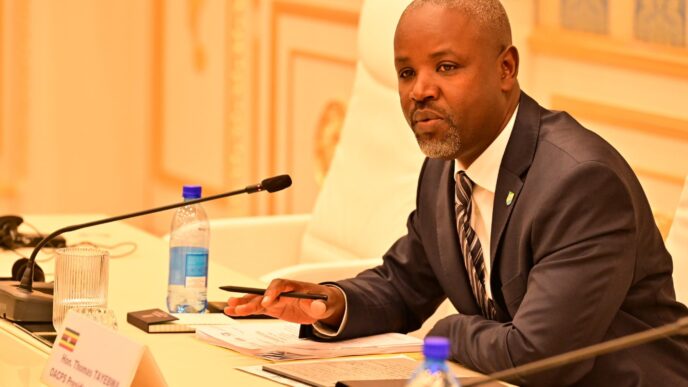
Speakers from Gabon, Senegal, Burkina Faso, Tanzania, Uganda, Malawi, Sierra Leone, Kenya and Mali all stressed that unless member states begin financing the organisation themselves, the OACPS would struggle to effectively deliver on its mandate. 
The debate comes at a critical time for the OACPS, following mounting concerns over financial sustainability and governance challenges after the EU reportedly halted portions of its funding amid allegations of financial mismanagement within the secretariat.
For years, the OACPS has relied heavily on EU support through partnership frameworks such as the 11th European Development Fund (EDF), which injected approximately €60 million into programmes supporting research, innovation and sustainable development across African, Caribbean and Pacific states through 2026.
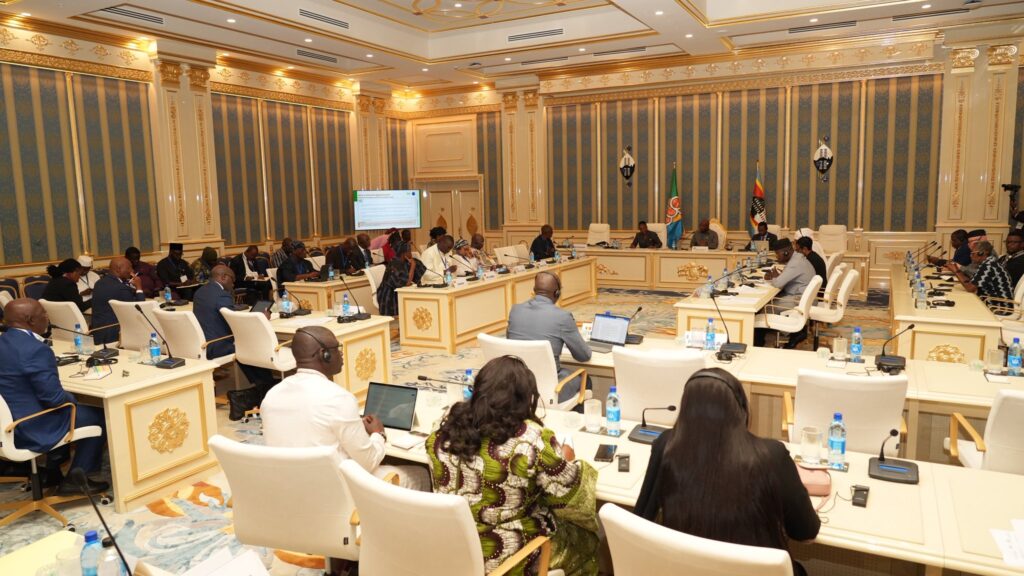
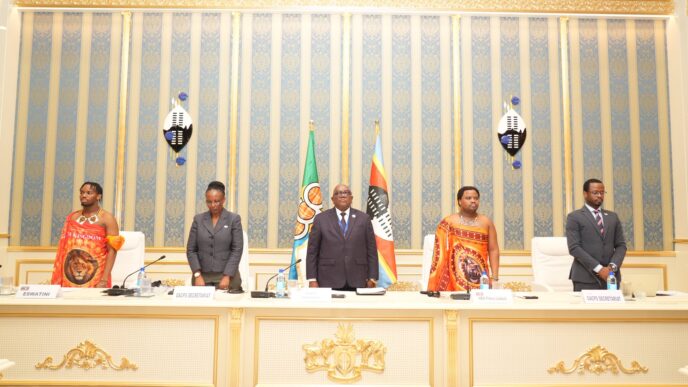
Photo: OACPS Secretariat
A representative from Gabon declared the country’s readiness to host the headquarters of the organisation, while also stressing the importance of member states ratifying agreements and honouring financial obligations.
“As Gabon, we are saying we are ready to host the headquarters of the organisation,” the delegate said. “All our member states have to ratify the agreement otherwise we will not even be able to put up a structure.”
The delegate further said the proposed organisational structure was already clear, but implementation depended on cooperation and financial discipline among member states. “Each member state must contribute in a timely manner,” the representative added.
Senegal echoed similar sentiments, stressing that independent financing would require commitment and sacrifice from all member countries.
“All states must understand that if we are going for independent financing all countries will have to pull up their socks,” the Senegalese delegate said. “We should already anticipate the participation of everyone to move in the right direction.”
The delegate also questioned whether the organisation should transition from ad-hoc committees to a more permanent commission structure capable of ensuring continuity and institutional strength.
A delegate from Burkina Faso criticised travel restrictions within the continent, recounting frustrations experienced while travelling to South Africa.
“Why all the frustration when we are all Africans?” the delegate asked after describing visa-related difficulties. “If we want to progress let us start with low-hanging fruits.”
The representative further urged African leaders to prioritise practical reforms and implementation rather than endless discussions. “Let us resolve the problems here so that when we leave we have solutions,” the delegate said.
OACPS African regional leadership, represented during the session by President Yaya Doumba Marius, acknowledged the concerns raised by delegates and agreed that the organisation needed to progressively move towards greater self-reliance.
Tanzania and Uganda both directly backed the proposal for an independent funding mechanism. “Need for an independent funding mechanism for the OACPS,” Tanzania submitted. Uganda also supported the proposal and called for urgent action. “We call for member states to expedite the issue of independent funding,” the Ugandan delegate said.
Malawi said the organisation needed not only funding reforms but also stronger working methods capable of improving continuity and deepening policy coordination among member states.
“There is a need to ensure financial sustainability through diversification of funding,” the Malawian delegate said. “We must prioritise the development of clear regional positions supported by strong consultations among member states.”
The representative added that stronger coordination would reinforce both the OACPS itself and its partnership with the EU.
Sierra Leone delivered one of the most emotional interventions during the session, describing the OACPS as an institution capable of resolving Africa’s problems in much the same way the United Nations attempts to address global issues.
“The OACPS I consider as the UN – a name that will resolve African problems,” the delegate said.
The representative warned, however, that the organisation would remain ineffective unless member states honoured their financial obligations. “The time is in our own hands,” the delegate said. “We have to go back to our countries and engage ministers of finance and governments and ensure that we pay contributions because without funding the organisation will not move.”
The Sierra Leone representative also praised remarks made earlier by Prince Lindani, representing His Majesty King Mswati III, who questioned why African countries continue exporting raw minerals while remaining economically disadvantaged.
“He spoke of exporting and importing minerals,” the delegate said. “Every time we are importing it seems we are becoming poorer.”
Kenya warned that while calls for independent financing were important, the organisation also needed measurable outcomes capable of justifying member contributions.
“Do we have a work plan that is realistic and smart to justify OACPS funding?” the Kenyan delegate asked. “What have we achieved since inception?”
Kenya cautioned that failure to sustain member-driven financing would ultimately force the organisation back into dependence on external donors. “If we are not careful, we will find ourselves relying on EU nations to fund us and then yield to their demands,” the delegate warned. Kenya nonetheless pledged willingness to contribute towards a self-sustaining organisation.
Mali urged delegates to move beyond rhetoric and focus on implementation. “Let us not keep talking; let us action,” the Malian representative said.
The delegate also called for transparency in discussions involving money and resource mobilisation, arguing that Africa remained rich in natural resources but lacked effective systems for financing continental priorities. “Africa is really rich in terms of resources,” the delegate said. “We need to find a viable way of financing.”
The funding debate comes against the backdrop of growing efforts led by His Majesty King Mswati III, who was appointed OACPS Resource Mobilisation Champion earlier this year.
During the 11th OACPS Summit held in Malabo, Equatorial Guinea, in March 2026, the King spearheaded a fundraising campaign that reportedly raised €12.8 million, surpassing the organisation’s €10 million target needed to stabilise operations at the secretariat.
On behalf of Eswatini, the King personally pledged €1.5 million towards the initiative and wrote to all 79 member states urging them to honour their financial obligations and reduce reliance on external funding partners.
Eswatini committed to hosting the OACPS-EU Joint Parliamentary Assembly, currently underway from May 7 to 14, 2026, and is also expected to host the next full OACPS Summit in 2029.