

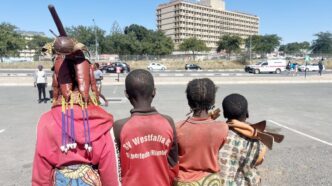
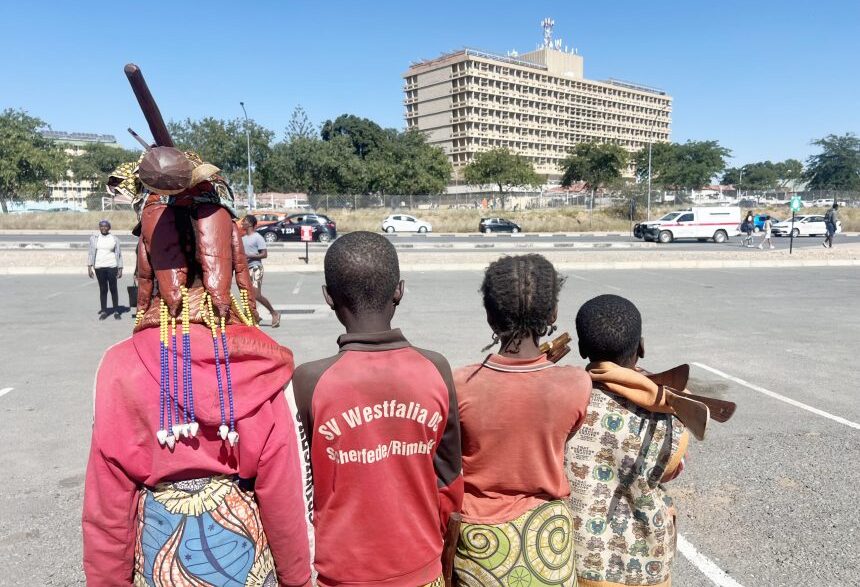
Windhoek – Namibia’s Ministry of Home Affairs, Immigration, Safety and Security has ruled out granting refugee status to Angolan nationals, including children, who are found living on the streets across the country.
The ministry’s executive director Nghidinua Daniel told New Era on Friday that Angolan street kids and accompanying adults do not qualify for recognition or registration as refugees under Namibia’s refugee laws or international conventions governing refugee protection.
Nghidinua explained that Namibia’s Refugees (Recognition and Control) Act, together with the 1951 Geneva Convention relating to the Status of Refugees, its 1967 Protocol, and the 1969 Organisation of African Unity Convention Governing the Specific Aspects of Refugee Problems in Africa, clearly defines who qualifies for refugee status. Under that definition, a refugee is a person forced to flee their country and unable or unwilling to return because of a well-founded fear of persecution based on race, religion, nationality, political opinion or membership of a particular social group. 
“Based on the definition above, the Angolan children who are seen roaming the streets in Namibia are not refugees. Available information indicates that these children and accompanying adults, in some cases, left their country of birth primarily in search of better socio-economic opportunities,” Nghidinua said.
Namibia currently hosts approximately 6,916 asylum seekers and recognised refugees. They originate from countries including Bangladesh, Burundi, Cameroon, the Central African Republic, Chad, the Democratic Republic of the Congo, the Republic of Congo, Eritrea, Ethiopia, Kenya, Malawi, Mozambique, Nigeria, Palestine, Russia, Rwanda, Somalia, South Sudan, Sudan, Uganda, Ukraine, Tanzania and Zimbabwe. Nationals from the DRC make up the largest group, accounting for 6,136 individuals, while Bangladesh, Palestine, Malawi, South Sudan and Ukraine each account for only one registered asylum seeker or refugee.
Nghidinua also revealed that some of the longest-serving refugees in Namibia have been in the country since the mid-1990s.
The ministry is currently conducting a national verification exercise among refugees and asylum seekers, not for new registrations but to verify those already residing in the country and ensure accurate records. The exercise ran from 27 April to 15 May 2026 at Osire Settlement and from 11 to 13 May 2026 in Windhoek. No new asylum claims are being registered during the process.
New asylum applications are only processed at the Katima Mulilo reception area in the Zambezi region, which serves as Namibia’s official first point of reception, registration and screening. After screening, asylum seekers are transported to the Osire Refugee Settlement, the only officially designated refugee settlement in the country.
The United Nations High Commissioner for Refugees continues to provide humanitarian assistance through a cash-based intervention programme after food and non-food item assistance was phased out. However, the ministry noted that UNHCR is currently experiencing funding constraints globally, resulting in a significant reduction in cash assistance to refugees in Namibia. The government and the Commission for Refugees are continuing engagements with stakeholders while exploring alternative means of support.