

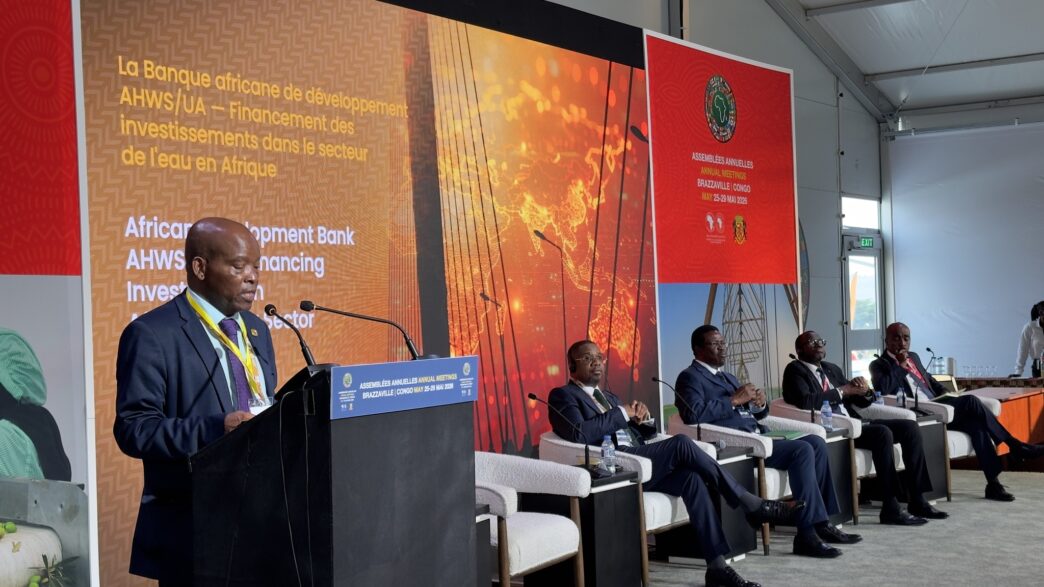
Addis Ababa – An Eswatini government official used a high-level African Development Bank gathering to push for a fundamental change in how water and sanitation projects are funded across the continent.
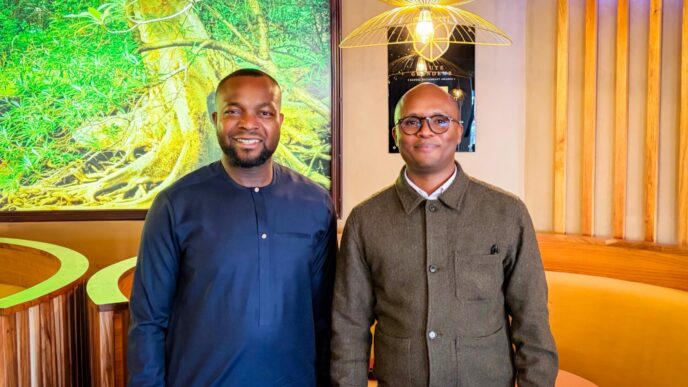
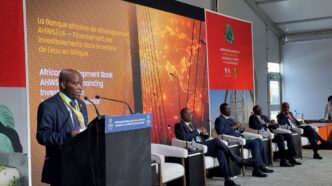
Commissioner Moses Vilakati of the Department of Agriculture, Rural Development, Blue Economy and Sustainable Environment (DARBE) addressed a side event on financing the Africa Water Policy and Vision on the sidelines of the 61st AfDB Annual Meetings held in the Republic of Congo on May 27, 2026.
Vilakati told delegates that water and sanitation can no longer be treated as social sector issues but must be recognised as strategic economic assets central to Africa’s development. 
“Water is not merely a social sector issue. It is a strategic economic asset. Sanitation is not only about infrastructure; it is about dignity, public health, human capital, productivity, resilience, and sustainable development,” he said.
He told the gathering that over 400 million Africans still lack access to basic drinking water services, while nearly 700 million lack adequate sanitation and hygiene. Estimates put the annual financing needed to meet the SDG 6 targets by 2030 at between US$30 billion and US$50 billion, far above what is currently being invested each year.
Vilakati urged institutions to stop measuring water investments purely on short-term commercial returns. “If Africa is to achieve Agenda 2063, industrialize sustainably, strengthen food systems, create jobs for its youth, and build resilience to climate change, then investment in water and sanitation can no longer be peripheral, it must become central to development financing architecture,” he said.
He called on the African Development Bank Group, development finance institutions, bilateral and multilateral partners and private sector actors to align their financing instruments toward implementing the Africa Water Vision and Policy 2063, preparing bankable programmes and expanding climate-resilient infrastructure.
The event was attended by the UN Economic Commission for Africa Executive Secretary H.E. Clavier Gatete, the Republic of Congo’s Minister of Hydraulic and Energy H.E. Bruno Richard Itoua and Minister of Urban Sanitation H.E. Juste Desire Mondele, among other senior officials and financing institutions.
The side event was convened by the African Water Facility and AMCOW. The African Union has declared its 2026 theme as “Assuring Sustainable Water Availability and Safe Sanitation Systems to Achieve the Goals of Agenda 2063.”