

Mbabane – Prime Minister Russell Mmiso Dlamini has called for innovation-driven agricultural transformation and inclusive economic growth through strategic partnerships that create opportunities for emaSwati.
The Prime Minister made the remarks at the University of Eswatini’s Luyengo Campus during the launch of the Ginger and Turmeric Research, Production and Value Addition Initiative, where he also witnessed the signing of a Memorandum of Understanding between the Government, the University of Eswatini (UNESWA), Indonesia’s University of Airlangga, and private sector partners.
The initiative seeks to position ginger and turmeric as strategic commodities for national development through research, value addition, agro-processing, export growth and job creation. It will also empower smallholder farmers, strengthen rural livelihoods, enhance women’s participation in agriculture and create practical learning opportunities for young people. 
“Today, we are not only signing a document, we are planting seeds of sustainable economic growth, agricultural innovation, scientific advancement and community empowerment,” the Prime Minister said.
“This programme advances our shift from primary production to value addition, enabling the creation of extracts, nutraceuticals, cosmetics and wellness products for regional and international markets,” he added.
“Today, we launch more than a project. We launch a national vision, one that empowers farmers, strengthens rural communities, advances women’s economic participation and positions universities at the forefront of innovation,” the Prime Minister said.
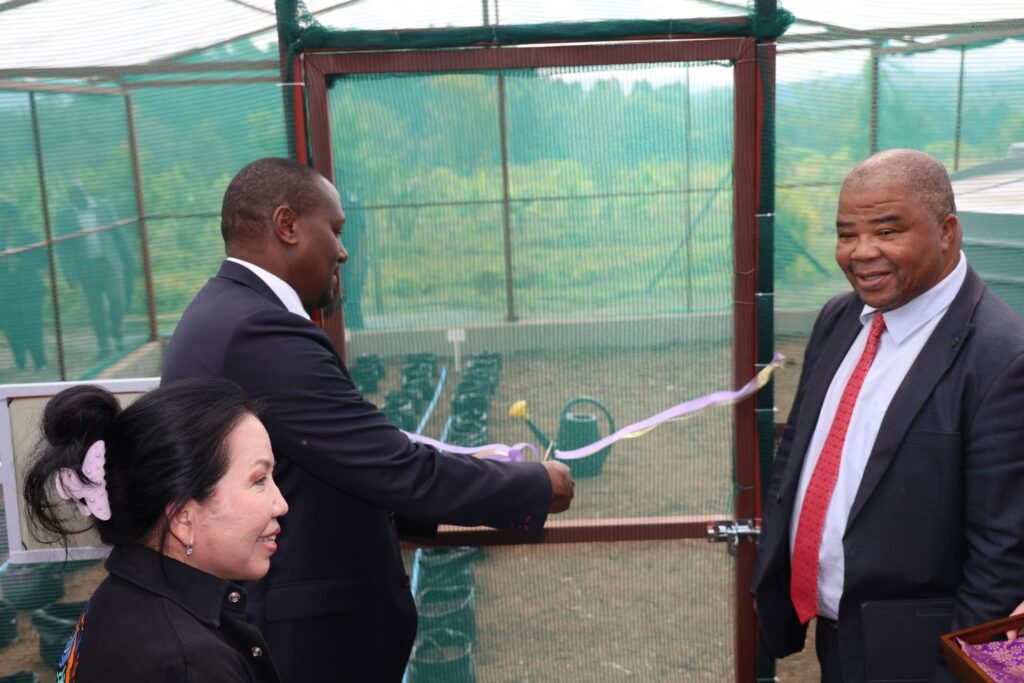
A greenhouse tunnel donated by the University of Airlangga was officially opened during the event and will serve as a dedicated research and production facility for ginger and turmeric. Produce from the initiative is earmarked for supply to Royal Tirta Ayu Spa, an international wellness brand operating in five countries, directly linking local production to global markets.

The event drew senior government officials, agricultural stakeholders, academics, international delegates and private sector partners.
The Prime Minister commended all partners for their commitment and reiterated Government’s support for programmes that promote innovation, industrialisation, entrepreneurship and inclusive economic growth, noting that collaboration between Government, academia, industry and international institutions remains critical in advancing the country’s development agenda.