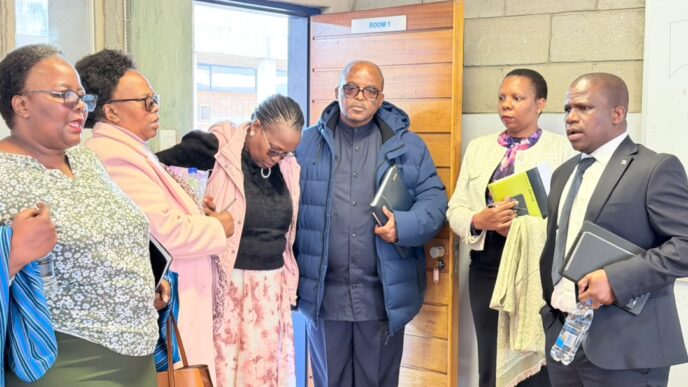


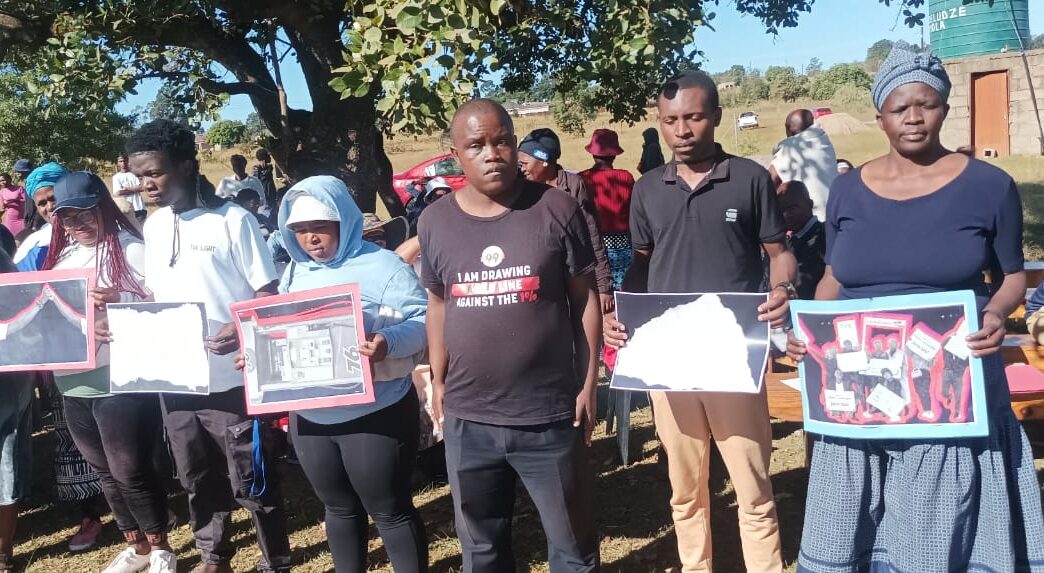
Siteki – About 200 Emaswati joined the Global Day to Fight Inequality (GDFI) yesterday as the economic inequality movement takes momentum.
July 4, what is marked as the annual Fight Inequality Alliance (FIA)-coordinated event unites grassroots, workers and organisations in over 50 countries to protest against extreme wealth acquisitions in the face of an unjust world impacted by climate change disasters and the majority living below human standards of life.
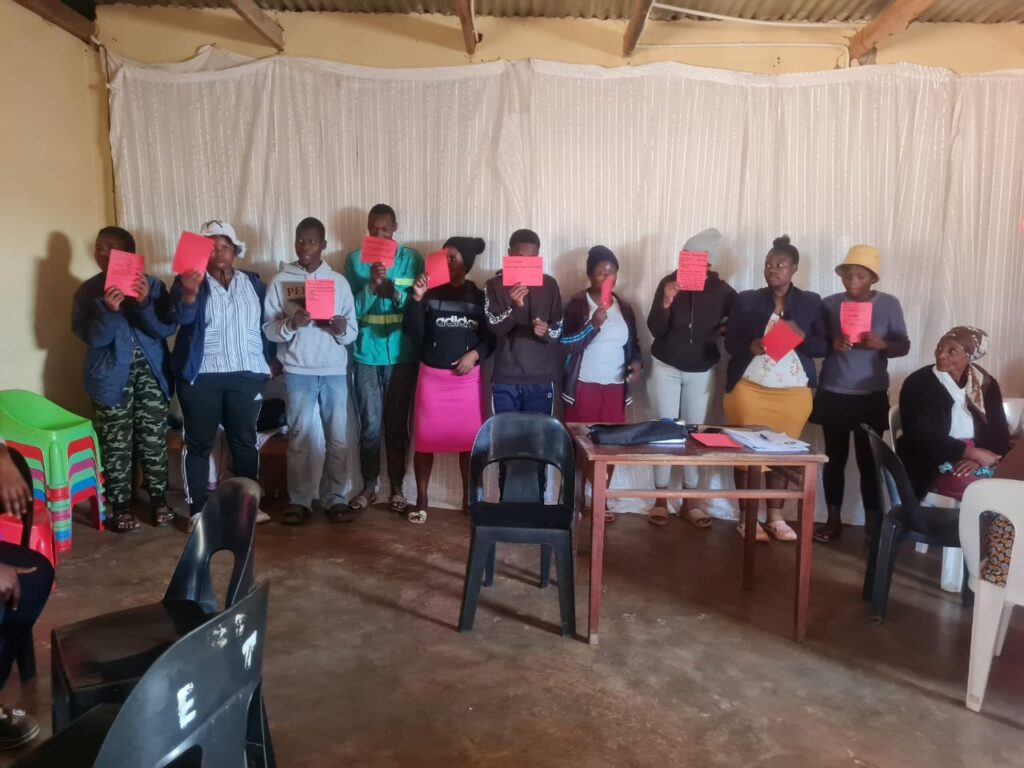
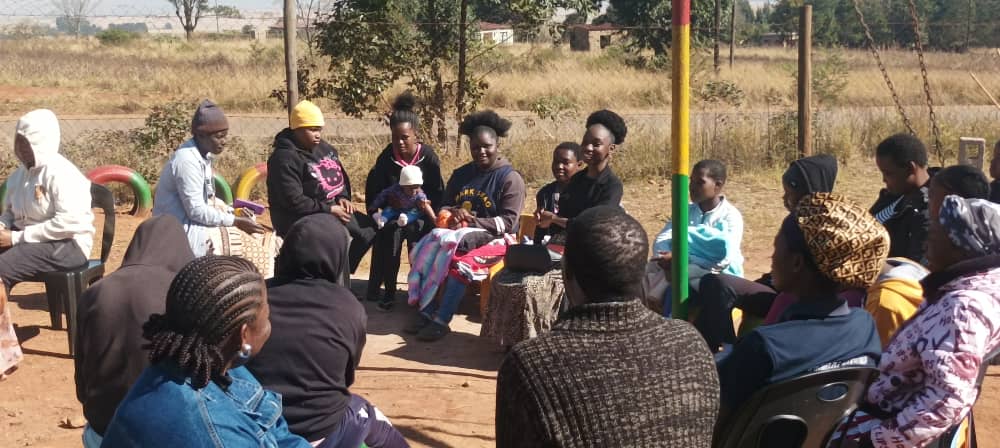
Eswatini held three people’s assemblies at Lubombo, Shiselweni and Manzini regions, bringing together community members and leaders to deliberate on issues affecting their communities, with women-led organisations from the regions standing in solidarity with the GDFI in demanding urgent actions against rising inequality and the escalating cost of living.
People, community leaders, women’s rights activists, young people, and civil society organisations united under the “Red Card to the Cost of Living Crisis” campaign. 
They call upon decision-makers to implement policies that protect vulnerable households from increasing food prices, unemployment, unequal access to essential services, and widening economic disparities.
According to the Fight Inequality Alliance Eswatini convener, Thulisile Maziya, the call for equality comes at a critical time when families across Eswatini continue to struggle with the rising cost of basic necessities.
“Women, particularly those in rural communities, bear the greatest burden as they strive to provide food, healthcare, education, and other essential needs despite shrinking household incomes,” she said.
The movement’s supporters argue that inequality is not inevitable but is driven by policy choices that can be changed through inclusive governance, social protection, and investments that prioritise people over profits.
The symbolic red card sends a strong message that the growing cost of living is pushing many families deeper into poverty and must be addressed with urgency.
Eswatini’s participation is significant because it amplifies the voices of communities that are often under-represented in national and global policy discussions. The campaign provides an opportunity for citizens to advocate for economic justice, gender equality, decent work opportunities, affordable public services, and stronger social protection systems that leave no one behind.
“Women’s organisations from Lubombo, Manzini, and Shiselweni emphasise that the fight against inequality is closely linked to the country’s sustainable development aspirations. They believe reducing inequality will improve livelihoods, strengthen community resilience, and create greater opportunities for women, youth, and marginalised groups,” Maziya said.
“As part of the global movement, participants in Eswatini stood alongside allies from around the world in demonstrating that collective action can influence change.
“They continue to call upon governments, development partners, the private sector, and citizens to work together in building a more equitable society where everyone has the opportunity to live with dignity.
“The message from Eswatini is crystal clear: it is time to show a red card to the cost of living crisis and commit to policies that reduce inequality, protect the most vulnerable, and ensure that economic progress benefits all citizens, not just a privileged few.”