


Ezulwini – Business leaders, entrepreneurs, government institutions and financial service providers called on Eswatini’s micro, small and medium enterprises to embrace digital innovation, strengthen their brands and formalise their businesses to unlock growth opportunities and compete in local and international markets.
The call was made during the MSME Growth Forum held at the MTN Headquarters Auditorium in Ezulwini on Friday. The forum was hosted by Peculiar People in partnership with MTN Eswatini and MTN MoMo under the theme “Imagine the Impact,” running from 8 am to 1 pm under the topic “Defining Made in Eswatini: A Foundation for Economic Growth.”

The event brought together stakeholders from the public and private sectors for a morning of discussions, networking and knowledge sharing aimed at equipping entrepreneurs with practical tools to grow sustainable businesses. 
Programme Director Fisokuhle Khumalo opened the forum by outlining the challenges facing MSMEs and practical solutions that can help local businesses become more competitive, while introducing discussions on strengthening the Made in Eswatini brand. The programme featured two panel discussions, the first on MSME growth, digital innovation and access to finance, and the second on defining and strengthening the Made in Eswatini brand.
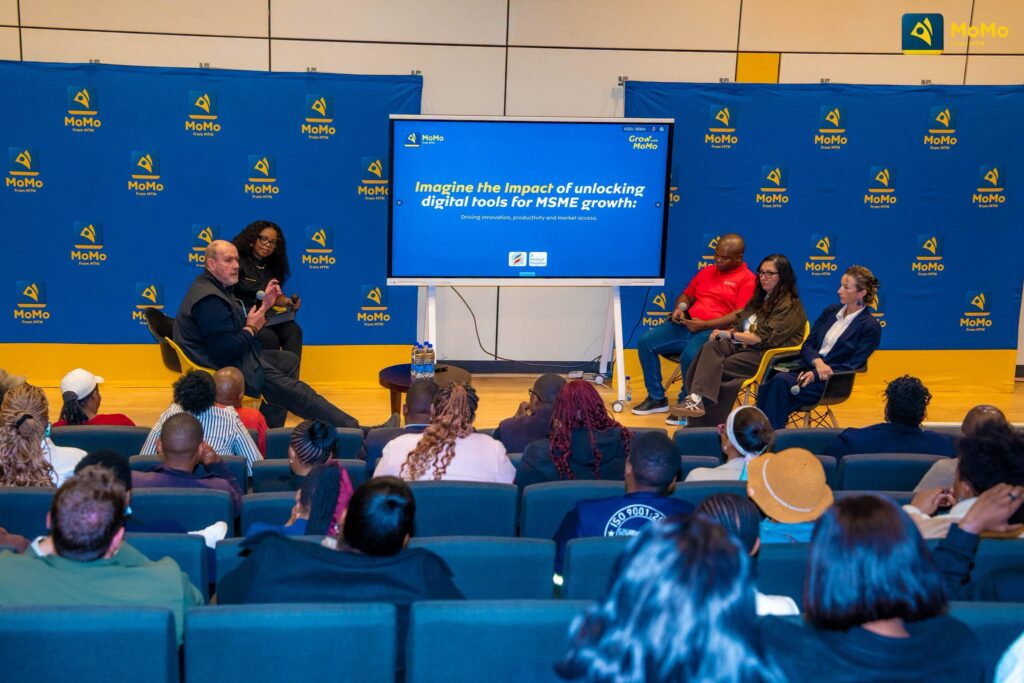
Speaking on the role of innovation in business growth, Creative Director of Never Better Creatives Hlengwa Manzini encouraged entrepreneurs to embrace change instead of resisting it. He said businesses should view artificial intelligence as an opportunity rather than a threat, adding that technology expands human potential instead of replacing it. Manzini urged entrepreneurs to develop a willingness to experiment, accept failure as part of learning and continue improving their businesses, and to take advantage of programmes and support offered by organisations investing in entrepreneurs’ growth.
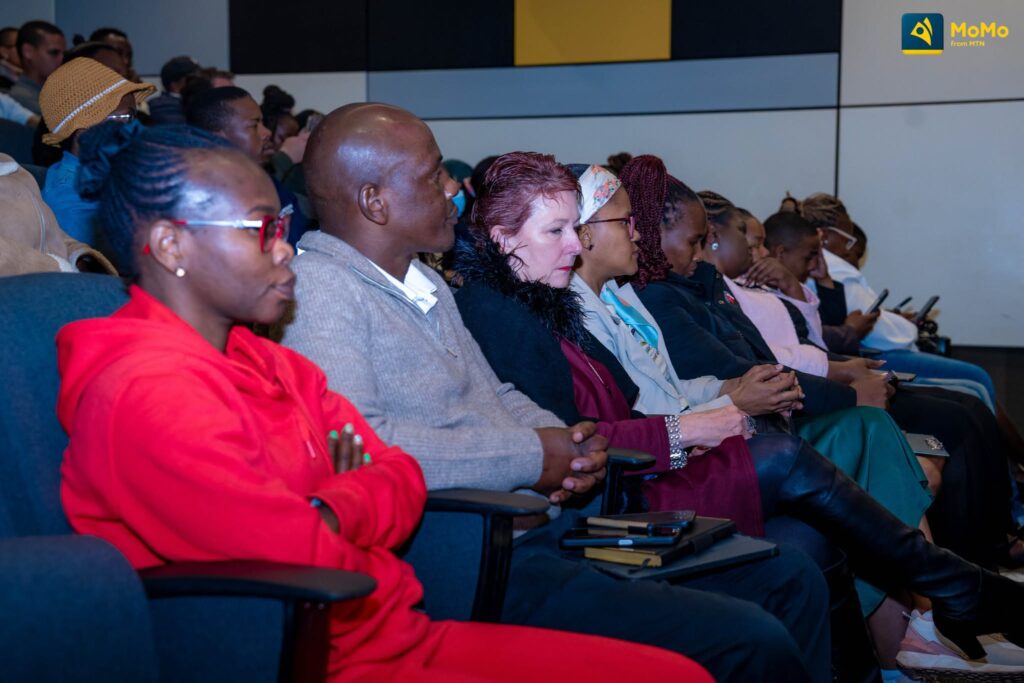
MTN Fintech Head of Business Development Lomkhosi Dludlu spoke on the increasing importance of digital financial services across Africa. She noted that mobile money has become one of the continent’s largest payment systems and said businesses that adopt digital payments are better positioned to manage their finances.
Dludlu explained that digital payment platforms such as MoMo Pay allow businesses to collect payments electronically, maintain transaction records and monitor cash flow. She said keeping accurate financial records helps businesses understand their performance while giving potential funders greater confidence when assessing applications for financial support. She said MTN Fintech supports businesses and developers through digital payment integration and bulk payment solutions, making it easier for businesses to digitise their operations.
MTN Enterprise Business Unit representative Sipho Dlamini introduced several digital solutions designed for MSMEs, among them the SME Digital Learning Platform, which offers business training and MTN business courses, SIP Trunking communication services that allow businesses to connect telephone systems over internet technology, and MTN Leo OneWeb, a satellite based internet solution designed to improve connectivity.
He also introduced MTN’s livestock tracking solution, which uses solar powered tracking devices attached to animals to provide real time location updates through a mobile phone, helping farmers monitor and protect their livestock.
The first panel discussion examined how digital tools can improve business growth, financial inclusion and access to funding. Youth Enterprise Fund Chief Executive Officer Banele Nhlengetfwa said digital business records are becoming increasingly valuable when businesses seek funding, explaining that lenders can use digital information to better understand a business’s performance and assess its ability to repay loans while still applying human judgement during the approval process.
Founder of Luna Hair and Body, Seria Masilela, shared her experience of growing a business through digital platforms. She said selling products online has shown her the importance of building a strong online presence because businesses face increasing competition on digital platforms where products can easily be copied. Masilela said businesses should identify what makes them unique and continuously engage with customers to understand their needs. “The insights we receive from customers help us improve our brand,” she said. She also encouraged entrepreneurs to formalise their businesses as early as possible, saying registered businesses have greater access to funding opportunities.
Representing the Eswatini Revenue Service, Cebolenkhosi Mahlalela encouraged entrepreneurs to embrace the organisation’s digital services. She acknowledged that many business owners view tax compliance as a burden but said ERS has invested in digital platforms that allow taxpayers to manage their affairs more conveniently. She pointed to services such as the online tax management platform, the ERS TaxPal digital service and the recently introduced Rate Our Service platform, which allows taxpayers to give feedback to improve customer service.
Mahlalela also encouraged small businesses to understand the Presumptive Tax system, explaining that it is a simplified tax regime designed for qualifying small and informal businesses where tax is calculated using gross turnover instead of net profit.
Returning to the discussion on financial inclusion, Dludlu said businesses should use digital tools not only to receive payments but also to keep proper financial records. She said digital transaction histories help businesses understand spending patterns, monitor financial performance and build the credibility required by many lenders. She said consumers in Eswatini are increasingly demanding convenient digital payment options, while more businesses continue adopting mobile money and other fintech solutions.
Paper Tech Eswatini representative Achilles Yeh encouraged businesses to embrace technologies that improve efficiency, explaining that digital systems, including QR code technology, can simplify day to day operations, improve communication within organisations and support research and information verification. Yeh challenged entrepreneurs to continue exploring new ideas and invest in building strong brands.
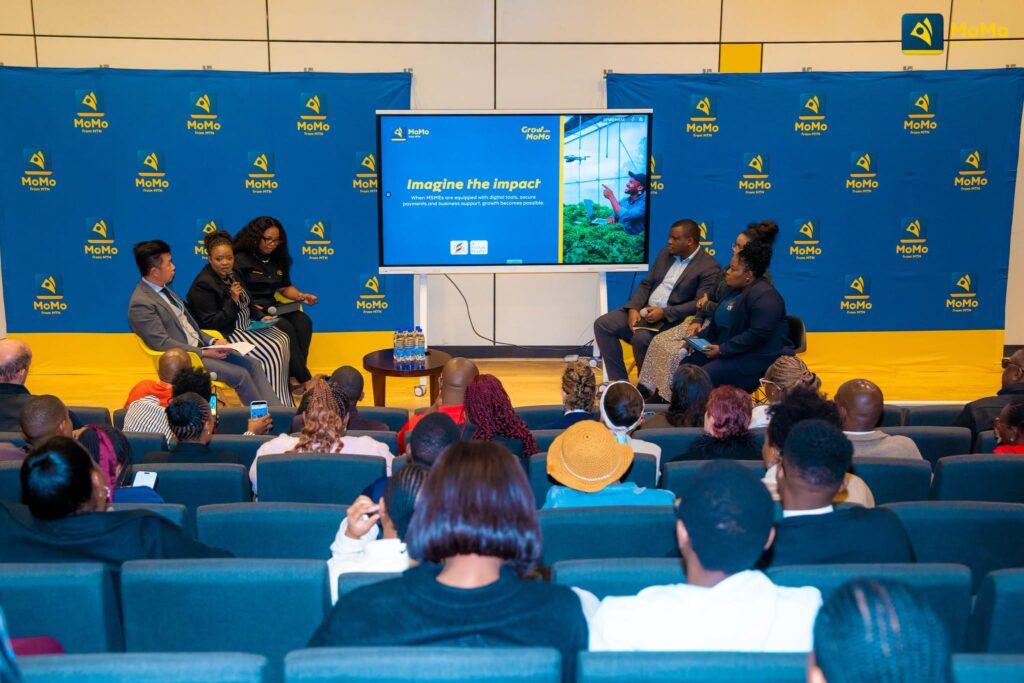
The second panel discussion focused on strengthening the Made in Eswatini brand and improving the competitiveness of local products. Green Mamba Foods representative Paula Marques stressed the importance of investing in professional packaging, branding and product safety standards, saying barcodes and clear product branding increase consumer confidence while improving opportunities to access international markets. Marques also encouraged consumers to first develop confidence in locally produced goods before expecting them to succeed internationally.
Exipro Eswatini representative Gavin Adamson said the success of Made in Eswatini requires businesses and consumers to better understand local value chains. He encouraged consumers to ask where products are manufactured and become more intentional about supporting local producers, saying promoting products made in Eswatini should also contribute to strengthening manufacturing across Africa.
MTN Bushfire Marketplace Curator Philippa Thorn said today’s consumers are looking for authentic stories and meaningful connections behind the products they buy, saying the Made in Eswatini brand should represent more than a label and should communicate a clear identity that consumers can relate to.
Regional Manager for Pick n Pay Eswatini, operated under the Lojaf Pick n Pay Group, Akhona Dlamini, said retailers require suppliers to consistently meet quality standards before products can be stocked on store shelves, adding that product quality, reliability, certification and consistency are critical factors in building trust between retailers and suppliers.
The forum also touched on protecting intellectual property. Intellectual Property Officer Cebsile Magagula from the Ministry of Commerce, Industry and Trade encouraged entrepreneurs to register their trademarks, saying trademark registration gives businesses legal protection over their names, logos and slogans while preventing unauthorised use by others. She added that registered trademarks also strengthen customer confidence, enhance business reputation and increase the long term value of products and services.
The forum concluded with questions from participants covering youth funding awareness, Near Field Communication payment technology, the future of mobile money, open API systems and digital financial services, reflecting growing interest among entrepreneurs in adopting digital solutions for business growth.
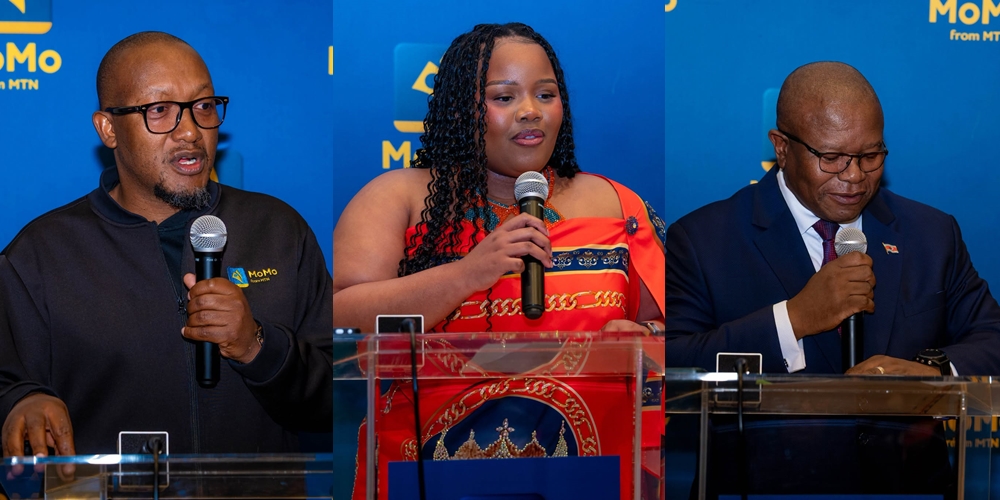
Closing remarks were delivered by MTN Fintech Chief Executive Officer Sam Shongwe, Minister of Commerce, Industry and Trade Manqoba Khumalo, and Her Royal Highness Princess Sakhizwe. Shongwe thanked Peculiar People for its partnership with MTN Fintech in creating platforms that empower entrepreneurs, saying partnerships are essential for building a strong business ecosystem, and that when one entrepreneur gains access to international markets, others can benefit through shared opportunities and collaboration.
Khumalo said there is no single solution to Eswatini’s economic challenges, stressing that young people remain the country’s greatest hope for economic growth. He commended Princess Sakhizwe and the Peculiar People team for creating initiatives that support entrepreneurs, saying the response to the forum demonstrates that Eswatini is moving in the right direction.
The minister also officially launched the third edition of the Eswatini Consumer Awards, which will be held on 6 September 2026 at The Mall in Mbabane. He said this year’s awards will place greater emphasis on recognising emerging entrepreneurs and expressed hope that more locally made products will be celebrated for driving innovation.
Princess Sakhizwe said meaningful economic growth is achieved when the public and private sectors work together, and that technology is no longer the future but the present, with entrepreneurs urged to embrace it to remain competitive. She said Peculiar People has spent the past two years helping define what the Made in Eswatini brand should represent, and announced that 10 July marks the beginning of a new standard where products carrying the Made in Eswatini mark should genuinely be manufactured in Eswatini.
She said the mark should represent not only where a product is made but also its authenticity, quality and value. She encouraged emaSwati to support locally made products, saying every purchase made locally is an investment in the country’s people and economy, and called for an enabling business environment where local businesses can compete fairly, challenging entrepreneurs to build brands and deliver services that the world will remember.