

CAPE TOWN, South Africa – The Africa Energy Indaba says fragmented policy and regulatory systems remain one of the biggest obstacles to unlocking the investment needed to meet Africa’s growing energy demand, as preparations build for its 2027 edition in Cape Town.
The conference, scheduled for March 2 to 4, 2027 at the Cape Town International Convention Centre, will host a high level session titled Policy Alignment for Investment in African Energy Infrastructure.
Organisers say the session will bring together government leaders, energy regulators, regional economic communities, utilities, development finance institutions and private sector investors to look at how policy alignment can unlock investment, speed up project delivery and strengthen regional energy integration. The event page and related announcement also place the discussion within broader concerns about fragmented rules, licensing systems and procurement frameworks across the continent.irena+1 
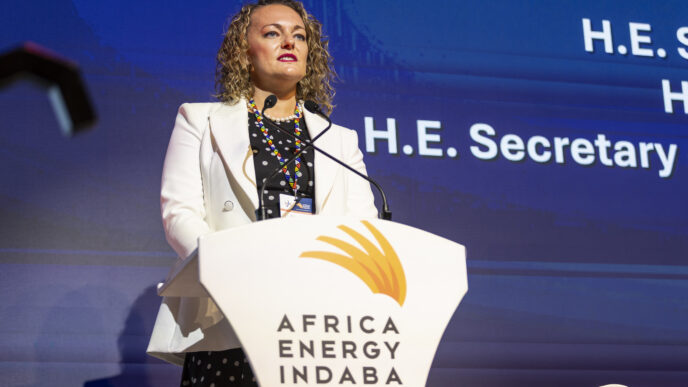
Africa Energy Indaba Managing Director Liz Hart said investors are looking for certainty across the continent.
“Africa has no shortage of energy opportunities or investment interest,” says Liz Hart, Managing Director of Africa Energy Indaba. “What investors consistently seek is certainty. Creating greater consistency in policy and regulatory frameworks across the continent will help accelerate investment decisions, reduce development timelines and make regional energy infrastructure projects significantly more attractive.”
The organisers say the discussion is taking place at a time when initiatives such as the African Continental Free Trade Area, regional power pools and cross border transmission projects are creating new opportunities for integrated electricity markets. They say that success will depend on predictable rules that support electricity trade, private investment and stable regulation across borders.
The session is also expected to examine how governments and regional institutions can harmonise policy while still protecting national priorities, reduce risk for developers and financiers, and improve the bankability of projects led by independent power producers, transmission developers and other investors.
Another focus will be emerging technologies, including battery storage, green hydrogen, smart grids and digital energy platforms, with organisers saying harmonised standards could help these technologies scale while keeping markets attractive to both local and international investors.
Africa Energy Indaba says its 2027 programme will continue its role as a continent wide energy platform bringing together ministers, utilities, regulators, investors, technology providers and project developers. The organisers say they want the session to produce practical recommendations that can help governments, regulators and the private sector deliver projects critical to Africa’s growth and sustainable development.