

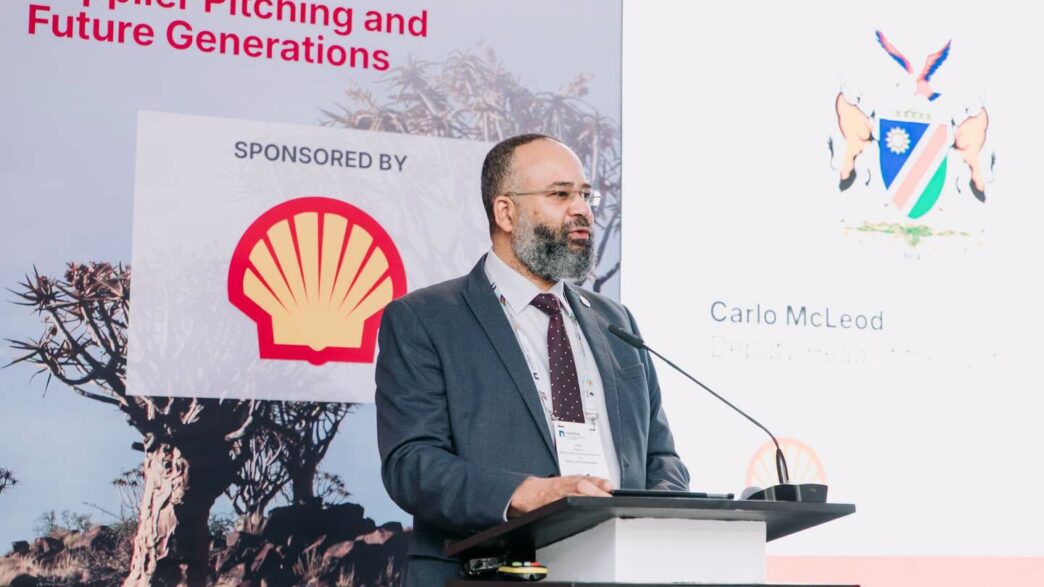
WINDHOEK, Namibia: The fourth Namibia Oil and Gas Conference and Exhibition opened in Windhoek on Tuesday with discussions focused on ensuring that local businesses benefit from the country’s emerging petroleum industry.
The three day conference, running from 18 to 20 August 2026, began with a Local Content and Suppliers Masterclass ahead of the official opening on Wednesday.
This year’s event is being held under the theme, “From Decision to Dividend: Making Namibia’s Oil Work for Namibians.” 
The conference is hosted by the Economic Association of Namibia in partnership with the Namibia Investment Promotion and Development Board and the Hanns Seidel Foundation.

Strategic partners include the National Petroleum Corporation of Namibia, SNC Incorporated and Rhino Resources. The event has also received official endorsement from the Ministry of Industries, Mines and Energy.
The masterclass brought together Namibian businesses, government officials, policymakers, industry leaders and other stakeholders to discuss how local companies can participate in the country’s developing oil and gas value chain.
The main activity was the NIPDB Local Supplier Pitching Session, where 14 selected Namibian suppliers presented their products and services to potential clients, investors and industry representatives.
The session was supported by Shell Namibia.
Organisers said opportunities in the petroleum industry extend beyond exploration and drilling.
Local companies can provide transport, catering, equipment, maintenance, safety services, recruitment and other support services required by the sector.
As oil and gas activity expands, local suppliers are expected to have opportunities to secure contracts, develop their capabilities and create employment.
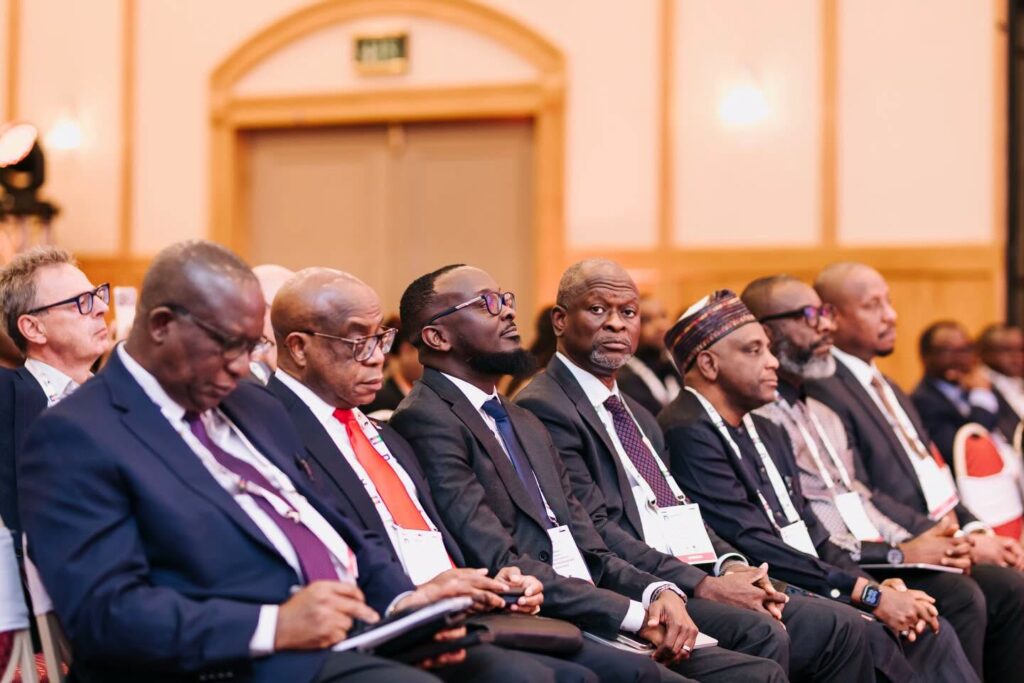
The conference is bringing together government officials, industry executives, investors, lawmakers, academics, entrepreneurs and civil society representatives from Namibia and other African countries.
Discussions are focused on local participation, investment, workforce development, procurement, infrastructure and the contribution of oil and gas to inclusive economic growth.

Transparency urged
Institute for Public Policy Research Executive Director Graham Hopwood said Namibia needed to ensure that oil and gas development produced lasting benefits for its people.
He said local content policies should move beyond broad commitments and percentage targets and focus on measurable and transparent outcomes.
Key questions, he said, included which companies received contracts, who ultimately owned those companies, how much value remained in Namibia and how many Namibians moved into skilled and management positions.
He also called for the information to be made available to the public.
Hopwood warned that local participation without transparency could increase the risk of corruption.
He referred to Namibia’s Fishrot scandal as an example of the risks that may arise when natural resources, government discretion and politically connected beneficiaries come together.
He said safeguards should be established before petroleum revenues and procurement activities reached a much larger scale.
These safeguards should include beneficial ownership disclosure, the publication of procurement commitments and performance reports, and genuine investment in Namibian skills and productive capacity.
Hopwood said the country also needed to be realistic about what local businesses could supply immediately and which capabilities would need to be developed over time.
He called on international oil companies to publish procurement opportunities and award criteria, disclose the beneficial owners of local partners, report on their local content performance and support the development of Namibian suppliers.
He said the success of local content should not be judged only by the percentage of petroleum spending retained in Namibia.
“The real test is whether oil investment leaves Namibia with skills, competitive businesses, expertise and infrastructure that can thrive long after oil production declines,” Hopwood said.
He said Namibia could have about five years before production begins, giving the country time to strengthen governance systems and prepare for the petroleum industry.
He also called for Namibia to join the Extractive Industries Transparency Initiative to improve accountability in the management of its natural resources.
The conference comes shortly after Cabinet approved Namibia’s National Upstream Petroleum Local Content Policy, which seeks to increase local participation and ensure that more benefits from petroleum activities remain in the country.
Speakers said transparent, competitive and capability based local content could strengthen Namibia’s development prospects and improve the country’s investment environment.
They warned that poor implementation could damage both public confidence and investor confidence.