

MAPUTO, Mozambique – President Daniel Chapo has called for tighter management of Mozambique’s domestic public debt to ensure that government borrowing does not reduce access to finance for businesses and productive sectors.
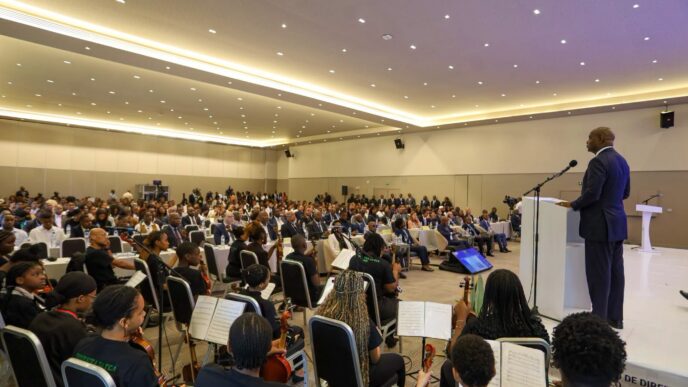
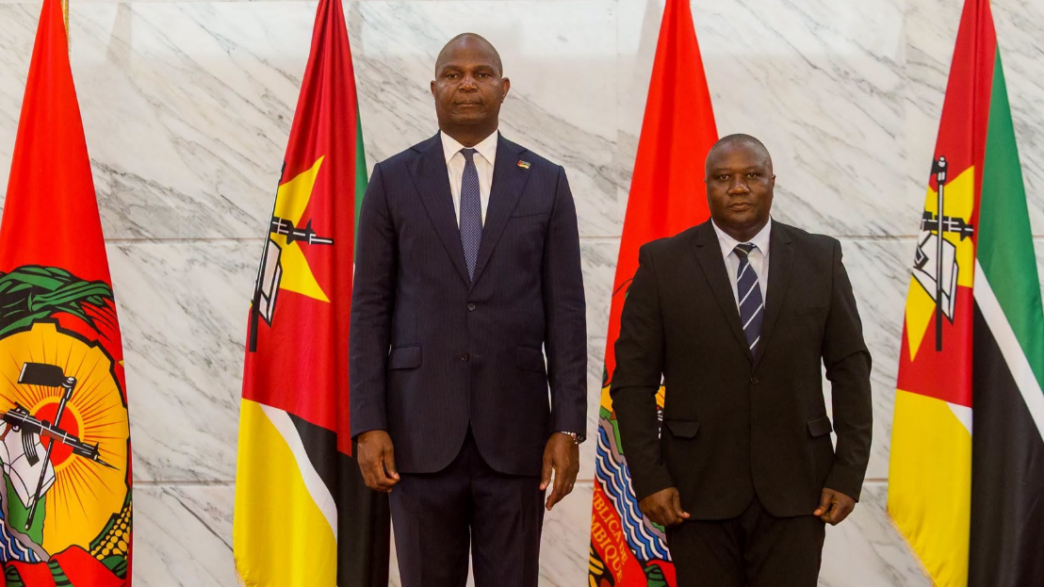
Chapo made the remarks on Wednesday during the swearing in of the new Governor of the Bank of Mozambique, Felisberto Dinis Navalha.
The President said the rising level of domestic public debt requires closer coordination between fiscal, monetary and financial authorities, particularly as businesses continue to require financing to expand production and create jobs. 
“Before we discuss how much the state needs to borrow, we need to know how much public money we have, where it is, when it will be needed and how it can be used more efficiently and responsibly. We must therefore continue to strengthen coordination between fiscal, monetary and financial policy,” said Chapo.
He identified the growth of domestic public debt as one of the major challenges facing Navalha as he begins his tenure at the central bank.
“The State must finance its needs, but businesses must also have access to finance. Agriculture, industry, tourism, transport and logistics, small and medium-sized enterprises, young people, entrepreneurs, and others all need finance for the growth of the Mozambican economy and the development of our country,” Chapo stated.
Figures from the Ministry of Finance show that Mozambique’s public debt stock increased by 2 percent during the first half of 2026 to 1.12 trillion meticais, equivalent to about €15 billion.
Domestic debt accounted for much of the increase, rising by 16 percent to 551,795.4 million meticais, approximately €7.5 billion.
Chapo said borrowing from the domestic market remains a legitimate option for financing government requirements, but warned that continued reliance on it could affect the wider economy.
“The State financing needs in the domestic market ‘is a legitimate instrument, but its growing and persistent use must be monitored with caution,’” he said, noting that excessive borrowing could place pressure on interest rates, liquidity and the funds available to productive businesses.
He called for greater discipline in the management of public finances before government turns to additional borrowing.
“Fiscal discipline begins not only with the decision to spend or to take on debt. It also begins with how we manage the public resources we already possess. We should resort to borrowing only after ensuring that the liquidity available across the State as a whole is being managed in an integrated, efficient and rational manner,” he said.
Chapo instructed the Ministry of Finance to work with the central bank and financial sector to improve public liquidity management, reduce unnecessary financing requirements and lower the cost of domestic borrowing.
“We need to ensure that the development of the public debt market allows adequate funding for the productive economy. This is a responsibility that requires fiscal discipline, monetary prudence, the development of financial markets and ongoing institutional dialogue,” he said.
The President also raised concerns from economic operators regarding access to foreign currency needed to purchase raw materials, equipment and other essential inputs.
“We have been listening to the concerns of economic actors regarding access to the foreign exchange needed to finance raw materials, equipment and other operations essential to our economy. These concerns deserve your attention,” the president said.
He said Mozambique’s response to the foreign currency shortage must extend beyond exchange rate policy.
“We must identify the constraints with rigour, responsibility and transparency, and seek sustainable solutions for our economy. The structural response to the foreign exchange issue also involves factors beyond exchange rate policy. In other words, the central bank shares responsibility with other institutions. The fundamental solution is to produce more and export more, to diversify our exports, to process our resources locally and to attract productive investment,” he added.
Chapo said structural economic transformation should form part of the country’s response to exchange rate pressures and called for continued coordination between monetary, financial and fiscal policymakers.
Navalha, an economist who has spent 28 years at the Bank of Mozambique, was appointed Governor on Tuesday after the President withdrew the nomination of Waldemar Fernando de Sousa, citing “supervening issues”.
He succeeds Rogério Zandamela, who completed two five year terms after serving as governor for a decade.