


Nairobi, Kenya – The African Tax Administration Forum (ATAF) has called for stronger and more practical approaches to tackling multinational tax avoidance in Africa’s mining and extractives sector.
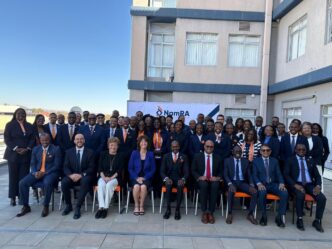
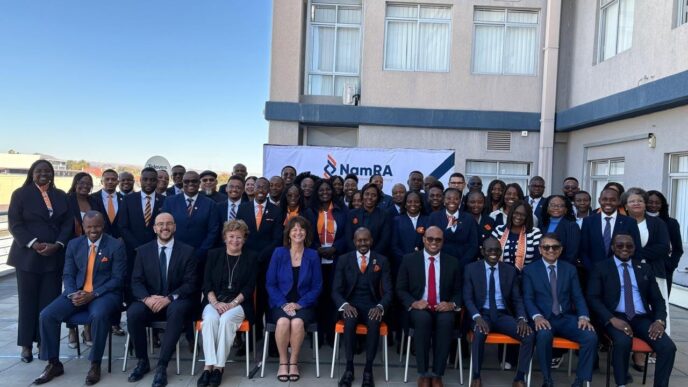
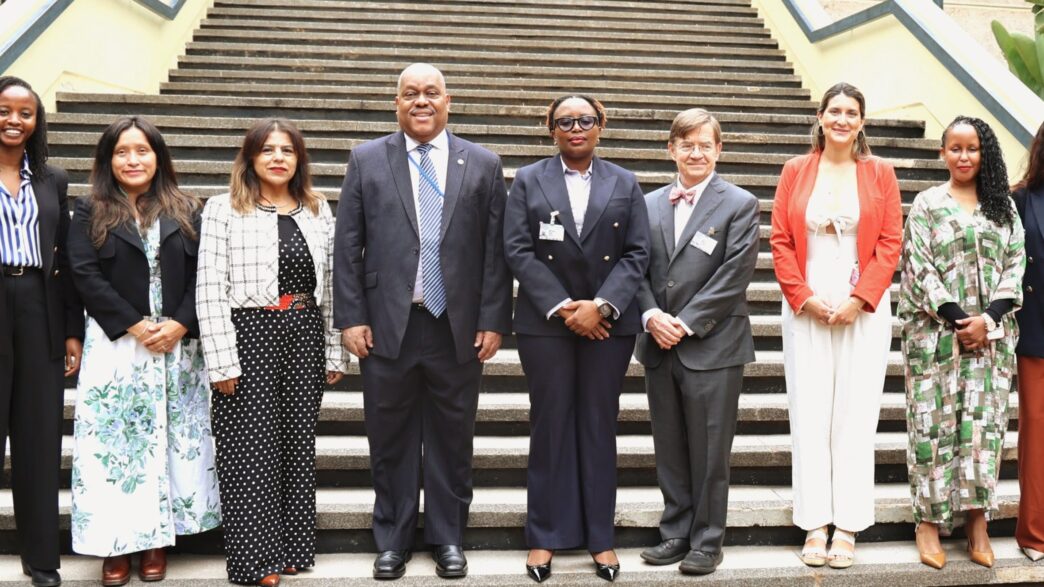
The call followed a regional workshop held in Nairobi, Kenya, from August 17 to 21, 2026, where tax officials from across the continent met to strengthen their ability to identify, assess and respond to tax risks involving multinational companies operating in the extractives industry.
The workshop, organised by the United Nations Department of Economic and Social Affairs (UN DESA) together with implementing partners, focused on practical methods that African tax administrations can use to identify and prioritise tax risks. 
ATAF International Tax Expert Mercy Mbithi led the organisation’s contribution to the workshop, facilitating technical sessions and sharing experiences drawn from ATAF’s work with tax administrations across Africa.
The discussions moved beyond theoretical approaches, with participants examining real tax administration challenges, including transactions and risks encountered by tax authorities in different African countries.
A key issue discussed was the importance of risk assessment in determining where tax administrations should direct their limited audit and technical resources.
According to ATAF, effective tax administration requires authorities to first establish where the greatest risks to the tax base are likely to occur before deciding how to respond.
The extractives sector presents several areas of potential risk along its value chain. These include excessive intra group financing, inflated costs for services provided between related companies, commodity pricing arrangements, transport and logistics costs, as well as offshore marketing structures.
ATAF also shared lessons from its broader work with African tax administrations, pointing to the need for dependable taxpayer level information, stronger coordination between institutions and clear and consistent legal frameworks.
The organisation said risk based tax administration could help authorities concentrate their resources on transactions and structures that present the greatest potential threat to government revenue.
ATAF thanked UN DESA for inviting it to participate in the workshop and contribute to the broader process of testing and improving the risk assessment approach.
The forum said the collaboration was intended to ensure that emerging approaches take into account the practical realities faced by African tax administrations and can be converted into effective action at both national and continental level.