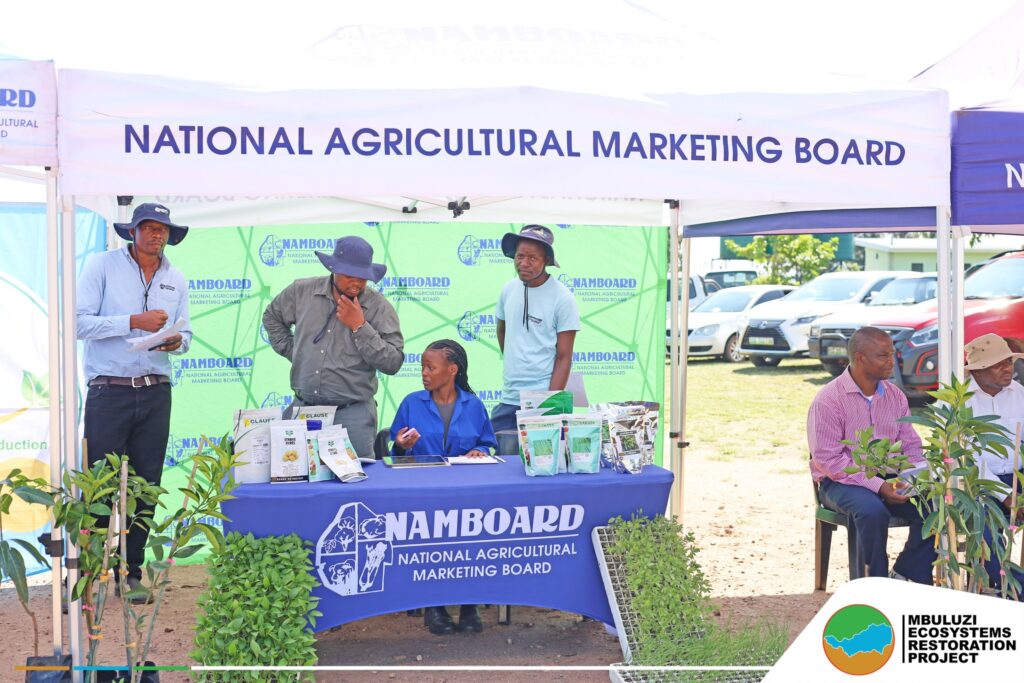


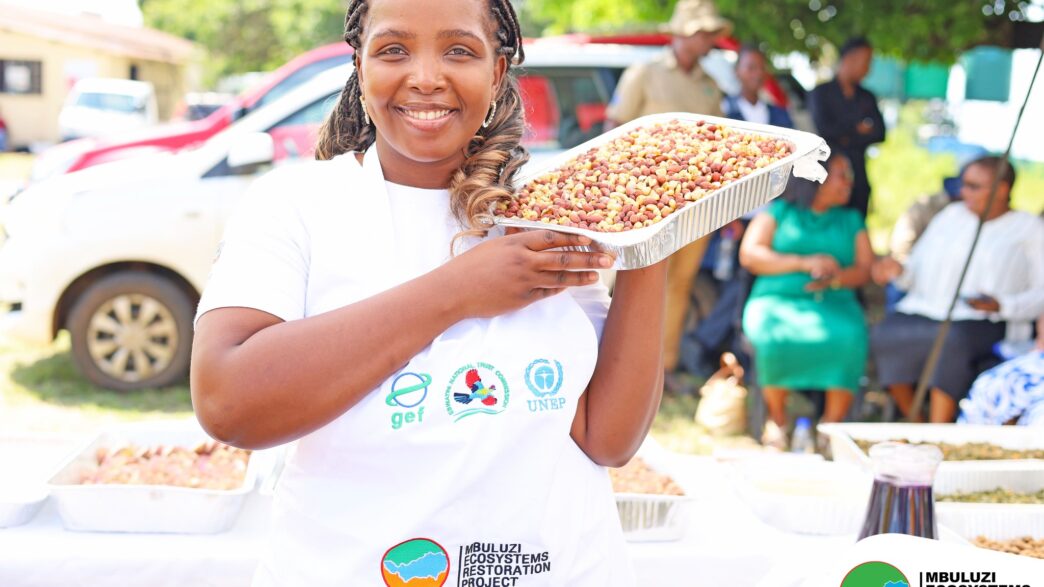
Thursday, 26 March 2026, Mkhiweni Inkhundla hosted a Food Diversification Display as part of the Mbuluzi Ecosystems Restoration Project, in partnership with the NAMBoard Farmer Road Show. The initiative aimed to bring food, nutrition, and sustainability to life for local communities.
Implemented by the Eswatini National Trust Commission, with funding from the Global Environment Facility and technical support from the UN Environment Programme, the project collaborated with the Ministry of Agriculture Eswatini through the Home Economics Department and other local partners.
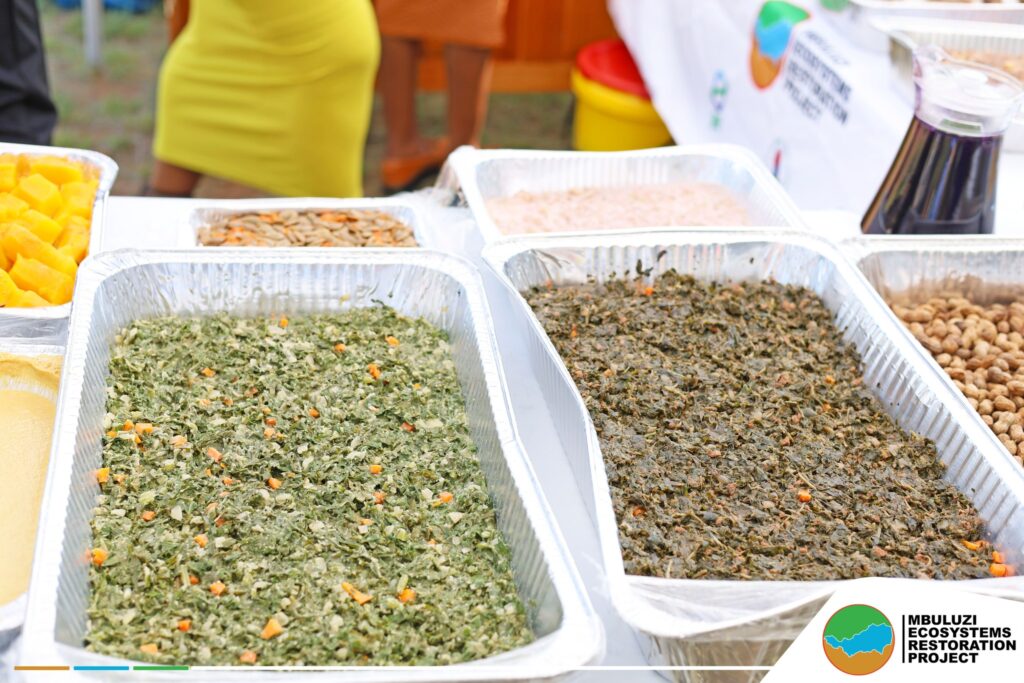
The display offered farmers and community members hands-on demonstrations on turning indigenous and locally available crops into nutritious meals. Traditional leafy vegetables and climate-resilient crops, including amaranth, African nightshade, okra, and jute mallow, were showcased to encourage healthier diets using ingredients found in local communities. 
Project Manager at the event noted the connection between ecosystems restoration and household food security, stating that sustainable land management improves landscapes and livelihoods. Phephile Zwane, Nutrition Officer from the Home Economics Department, encouraged participants to integrate indigenous foods into their daily meals, citing both nutritional benefits and accessibility.
By aligning with the NAMBoard Farmer Road Show, the event reached a broad audience, strengthening knowledge sharing and reinforcing the role of indigenous crops in climate resilience, agro-biodiversity, and sustainable livelihoods.
Community members and lead farmers actively participated in preparing meals, from sandwiches made with indigenous spinach to dumplings from maize and sorghum, linking what is grown in the fields to household consumption. Sessions led by the Ministry of Agriculture’s Home Economics, Crops, and Horticulture Departments focused on nutrition, food preparation, and sustainable land management practices.