


Johannesburg – New data from Statistics South Africa (Stats SA) shows that just 14% of South Africans have medical aid, leaving millions to rely on public healthcare or cover basic costs out of pocket.
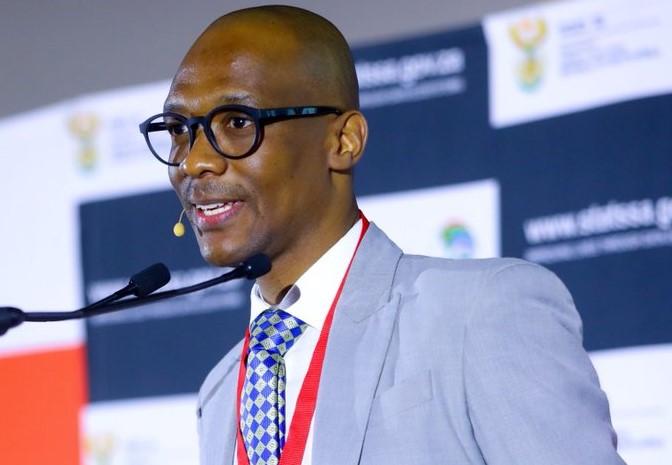
Solly Molayi, acting deputy director-general for population and social statistics at Stats SA, told Newzroom Afrika that the figure reflects longstanding inequalities in access to healthcare. “While billions are spent on medical aid, millions of households still cover basic health care costs themselves,” Molayi said.
Stats SA’s income and expenditure survey reports that around 14 million people, roughly 8 million households, have access to medical aid. Coverage varies widely by province, from 7.3% in Limpopo to 23.8% in the Western Cape, illustrating economic disparities across the country. 
Molayi explained that young people entering the workforce are particularly affected. Only 7.8% of those aged 20 to 24 have medical aid, a reflection of lower salaries and limited access to higher medical aid packages. “As they get higher in their careers, coverage may improve, but for now, many pay out of pocket for health services,” he said.
The reliance on public healthcare is largely shaped by proximity and cost. “Most people access clinics because they are closer to their homes. Even if hospitals are nearby, patients often pay for medications themselves,” Molayi added.
Public satisfaction with healthcare remains low. A poll conducted during the interview showed that 66% of respondents rated services at public facilities as poor, while 21% avoid them entirely. Only 13% reported satisfactory experiences.
Molayi noted that the data provides a baseline ahead of planned National Health Insurance (NHI) reforms. “We hope the NHI will improve access and affordability, particularly for those in rural and traditional areas,” he said. He also stressed the importance of monitoring progress toward 2030 Sustainable Development Goals and national healthcare targets.