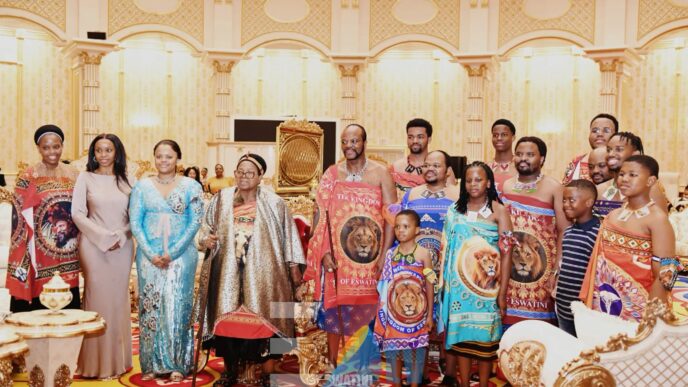


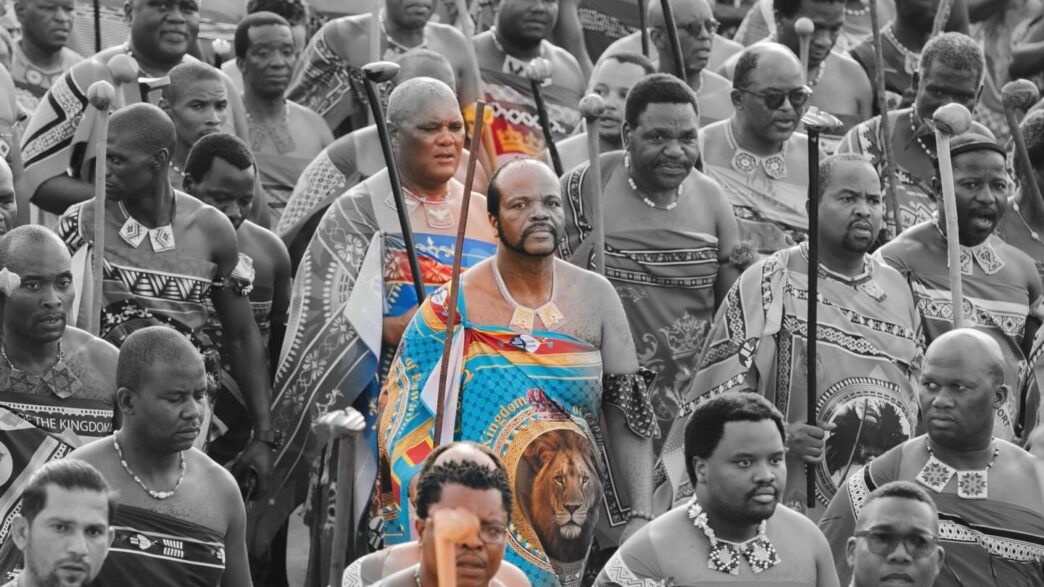
Mbabane – King Mswati III turns 58 today, April 19, 2026, a birthday that carries extra meaning this year as the kingdom simultaneously marks his 40th year on the throne.
Born on April 19, 1968, the king ascended to the throne in 1986 at just 18 years old, becoming one of the youngest monarchs in the world at the time. He made a pledge of service to the Swazi nation on that day, and four decades later, supporters point to a long list of achievements as evidence that the pledge has been kept.
The 40 years have touched nearly every corner of life in Eswatini, from roads and dams to social grants and cultural ceremonies. Here is a detailed look at what the reign has produced across infrastructure, the economy, governance, and culture. 
Infrastructure and physical development
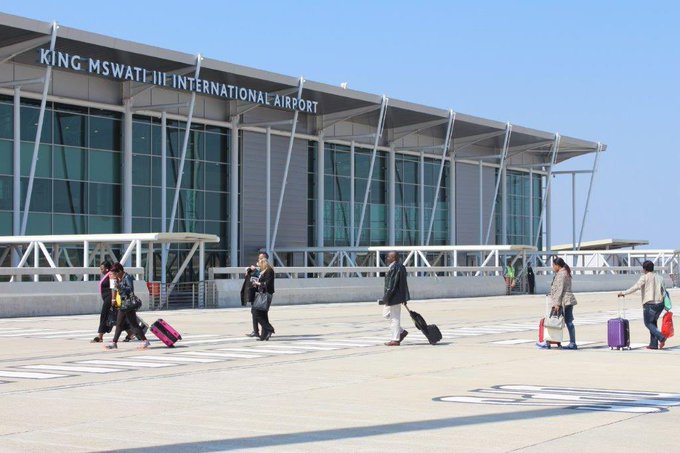
1. Construction of King Mswati III International Airport The airport gave Eswatini its own modern international transport hub, ending the country’s heavy dependence on South Africa’s OR Tambo International Airport. It opened new possibilities for trade, tourism and diplomatic travel directly into the kingdom.
2. Mpakeni Dam construction The Mpakeni Dam, built at a cost of E2.6 billion, is one of the largest infrastructure investments of the reign. It was designed to support irrigation and provide water security for farmers across the kingdom, directly contributing to food production.
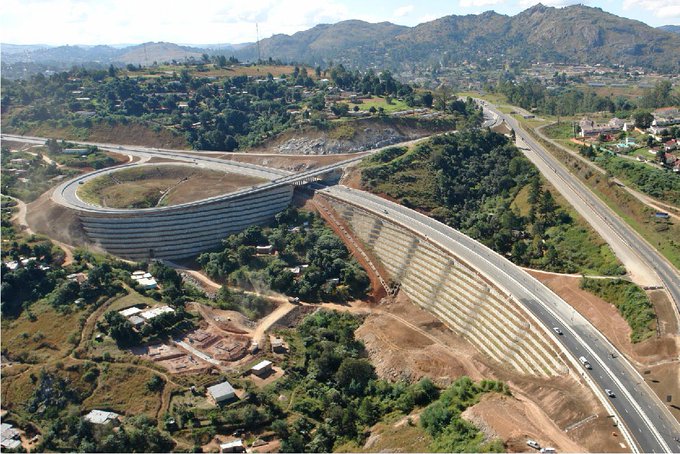
3. Expansion of the road network State-of-the-art highways have been constructed across the kingdom during the 40-year reign, linking communities that were once difficult to reach. The improved road network has made it easier for emaSwati to transport goods, access services and connect with each other.
4. Rural electrification projects Thousands of rural homesteads that once had no electricity have been connected to the national grid. The electrification drive has transformed everyday life in the countryside, supporting education, small businesses and household safety.
5. Construction of factory shells at Ndzevane and Gamula Ready-to-use factory shells were built at Ndzevane and Gamula to attract investors and create jobs. By lowering the cost and complexity of setting up industrial operations, these facilities have brought employment opportunities directly to emaSwati.
6. Development of the Mkhuzweni Technical Centre The Mkhuzweni Technical Centre, a E35 million investment, was developed to provide sports and technical facilities for the nation. It represents the king’s commitment to youth development and sporting excellence within the kingdom.
7. Upgrading of industrial and trade facilities Industrial and trade facilities across Eswatini have been upgraded throughout the reign to support the growth of local manufacturing and make the kingdom more competitive as a business destination.
8. Planned modernisation of Mankayane Stadium Mankayane Stadium has been earmarked for modernisation as part of a wider push to improve sports infrastructure across the country. The upgrade is expected to benefit surrounding communities and create a better environment for sporting events in that region.
9. Expansion of residential infrastructure As the kingdom’s population has grown over four decades, urban housing development has expanded to keep pace. Ongoing efforts to build residential infrastructure across different regions have aimed to give more emaSwati access to proper housing.
10. Modernising healthcare facilities Specialised hospital infrastructure has been developed to broaden the range of medical services available to emaSwati. These upgrades have reduced the need for patients to travel abroad for treatment and improved the overall quality of healthcare in the kingdom.
11. Maguga Dam Through a partnership between Eswatini and South Africa, King Mswati III and the late former South African President Nelson Mandela initiated a joint project where two dams were built, one in each country, so that “water from Komati can be shared equally for agricultural purposes and domestic purposes.” The project remains one of the most significant examples of cross-border cooperation the kingdom has been part of.
Economy and social progress
12. GDP growth from E1.4 billion to over E95 billion When King Mswati III took the throne in 1986, the economy stood at E1.4 billion. By 2026, that figure had grown to over E95 billion. The scale of that growth over four decades reflects the cumulative effect of industrialisation, investment and development across the kingdom.
13. Increased life expectancy from 32 to 65 years Life expectancy in Eswatini has more than doubled during the reign, climbing from 32 years in 1986 to 65 years in 2026. The improvement points to progress in healthcare, nutrition and the social services available to emaSwati over time.
14. Implementation of elderly grants A monthly social grant scheme was introduced to provide financial support to elderly emaSwati who can no longer support themselves through work. The grant has given older citizens a measure of dignity and security in their later years.
15. Poverty alleviation funds Regional development funds have been directed at communities across the kingdom to support livelihoods and help families access resources and opportunities. These funds have formed part of a broader effort to reduce poverty in Eswatini.
16. Establishment of FINCORP The Financial Corporation, known as FINCORP, was created to expand access to finance for local entrepreneurs and farmers who may not qualify for traditional bank lending. It has played a role in growing small businesses and agricultural enterprises across the kingdom.
17. Job creation through industrialisation The growth of the industrial sector, particularly in textiles, has created employment for thousands of emaSwati. Companies such as Infinity Knits have established operations in the kingdom, providing jobs and contributing to the national economy.
18. Promotion of the Ingwenyama Cup The Ingwenyama Cup has been developed into a sporting fixture that links athletics with cultural and economic opportunity. The tournament draws participants and spectators from across the country and has grown into a significant event on the kingdom’s calendar.
19. Support for agricultural diversification Water infrastructure investments have supported farmers in expanding and diversifying their crops, reducing the kingdom’s vulnerability to drought and food insecurity while strengthening the agricultural sector overall.
20. Establishment of the Imbube Marathon The Imbube Marathon was established to promote physical fitness among emaSwati and attract tourism to the kingdom. The event has grown to draw participants from inside and outside Eswatini, putting the country on the map for sporting tourism.
21. Attracting foreign direct investment Through diplomatic engagement and bilateral agreements, the reign has seen sustained efforts to attract foreign investors into the kingdom. International partnerships have opened Eswatini’s doors to businesses from different parts of the world.
22. FSRA The Financial Services Regulatory Authority was formed in 2010 as “an institution meant for regulation of banks and non-banking financial institutions for proper management and protection of assets belonging to emaSwati.” It was designed to bring oversight and discipline to the financial sector, though its record was later affected when a financial scandal involving stolen money came to light.
23. National Disaster Management Authority Legally established in 2006 but operational from 2015, the National Disaster Management Authority was set up to manage disaster risks and protect the nation. It “played a huge role in the 2016 drought, delivering food in drought affected areas, 2020 to 2022 coronavirus outbreak and today FMD.” The authority has become one of the kingdom’s most critical institutions when emergencies strike.
24. Eswatini Water Services Corporation The Eswatini Water Services Corporation was set up to manage and distribute clean water in urban and peri-urban areas but has since grown its reach significantly. It now distributes water in rural Eswatini and manages both industrial and domestic wastewater, contributing to cleaner rivers and a healthier environment for all emaSwati.
Governance and diplomacy
25. Adoption of the 2005 Constitution The 2005 Constitution established a formal legal framework for governance in Eswatini, creating a constitutional monarchy. While the document has been the subject of debate, it represented a significant step in codifying the rights and responsibilities of the state and its citizens.
26. Renaming the country to Eswatini King Mswati III formally changed the country’s name from Swaziland to Eswatini in 2018, restoring the nation’s original identity and shedding the colonial-era name that had been carried since independence. The change was framed as an assertion of sovereignty and national pride.
27. Prolonged peace and stability For four full decades, Eswatini has maintained national stability under the king’s leadership. The country has avoided the armed conflicts and prolonged political crises that have affected other nations in the region, creating an environment in which development could take place.
28. Strengthening ties with SADC Eswatini has been an active member of the Southern African Development Community throughout the reign, contributing to regional cooperation on trade, security and development.
29. Strengthening African Union relations The king’s engagement with the African Union has supported continental peace-building and development efforts. Eswatini has played its part in advancing African unity and contributing to the goals of the AU over the course of the reign.
30. Strengthening diplomatic ties with Taiwan Eswatini remains the only country in Africa to maintain full diplomatic relations with Taiwan. That relationship has delivered development assistance and investment in areas including agriculture, medicine and education, making Taiwan one of the kingdom’s most consistent development partners.
31. “Taking Parliament to the People” programme This initiative brought parliamentary sessions directly into communities across the kingdom, giving ordinary emaSwati the chance to engage with their elected representatives and raise issues affecting their daily lives without travelling to the capital.
32. Strengthening the role of chiefdoms The role of traditional chiefdoms has been strengthened during the reign, ensuring that traditional governance structures connect directly to the national government. Chiefs remain central figures in community life across Eswatini.
33. Reintroduction of the Tinkhundla system The Tinkhundla system of governance, rooted in Swazi tradition, was reintroduced to refocus the country’s political structure on community representation. Under the system, locally elected representatives feed into national governance, giving communities a voice in the kingdom’s affairs.
34. Empowering the Ministry of Housing and Urban Development The Ministry of Housing and Urban Development has been empowered to drive sustainable development across Eswatini, covering housing, urban planning and the orderly growth of communities throughout the kingdom.
Culture and national identity
35. Preservation of the Incwala Ceremony The Incwala Ceremony, one of the most sacred traditions in Swazi culture, has been preserved and held consistently throughout the reign. The ceremony is central to the spiritual and cultural unity of the Swazi nation, and its continuation ensures that this ancient tradition lives on for future generations.
36. Promotion of the Umhlanga Reed Dance The Umhlanga Reed Dance has grown into one of the most recognised cultural events in the entire region under the king’s stewardship. The annual celebration of young women and Swazi heritage draws tens of thousands of participants and attracts international visitors and attention every year.
37. Support for traditional attire The king has consistently championed the wearing of traditional attire in official spaces, encouraging emaSwati to take pride in their cultural identity. That push has kept Swazi traditions visible and relevant in modern public life.
38. Promoting Eswatini as a tourist destination The kingdom’s natural beauty, wildlife reserves and rich cultural traditions have been marketed internationally during the reign, contributing to the growth of a tourism industry that brings visitors and foreign exchange into Eswatini.
39. Support for local arts and music Local artists and musicians have received support during the 40-year reign, helping to keep Swazi cultural expression alive. The nurturing of arts and music has given creative emaSwati a platform while preserving the country’s cultural traditions for younger generations.
40. Unity in national sports teams and the King’s Cup Golf Tournament National pride through sport has been a thread running through the reign, from unified national sports teams to the King’s Cup Golf Tournament, which has been used to promote international networking and draw visitors to Eswatini. The tournament has become part of the kingdom’s wider effort to connect with the rest of the world through sport and culture.