

Windhoek – Namibian President Netumbo Nandi-Ndaitwah on Wednesday opened the second day of consultations with the fishing industry, setting a firm but constructive tone for open engagement among all stakeholders.
The president told those gathered that Namibia’s marine resources are a national asset that must be protected and sustainably used, pointing to Article 95 of the Constitution, which requires the government to safeguard natural resources and ensure their benefits reach both present and future generations.
“The fishing industry is one of our natural resources, and I have taken an oath to ensure its sustainable utilisation for both current and future generations,” she said. 
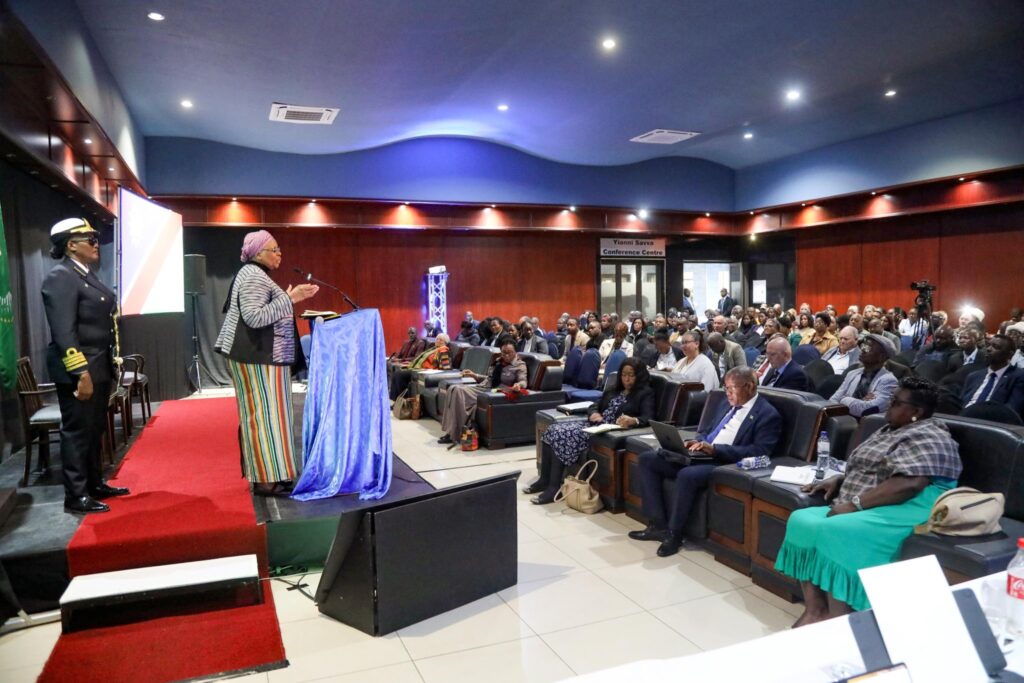
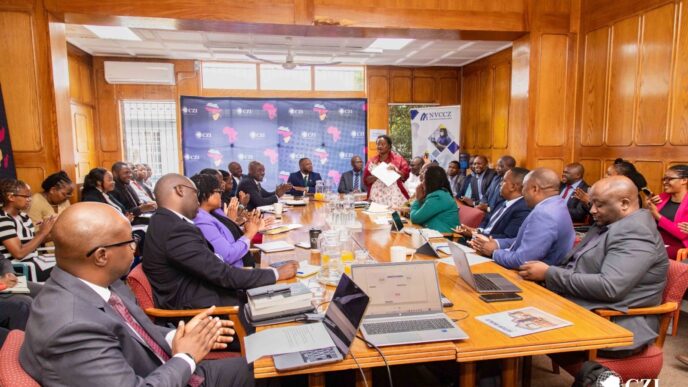
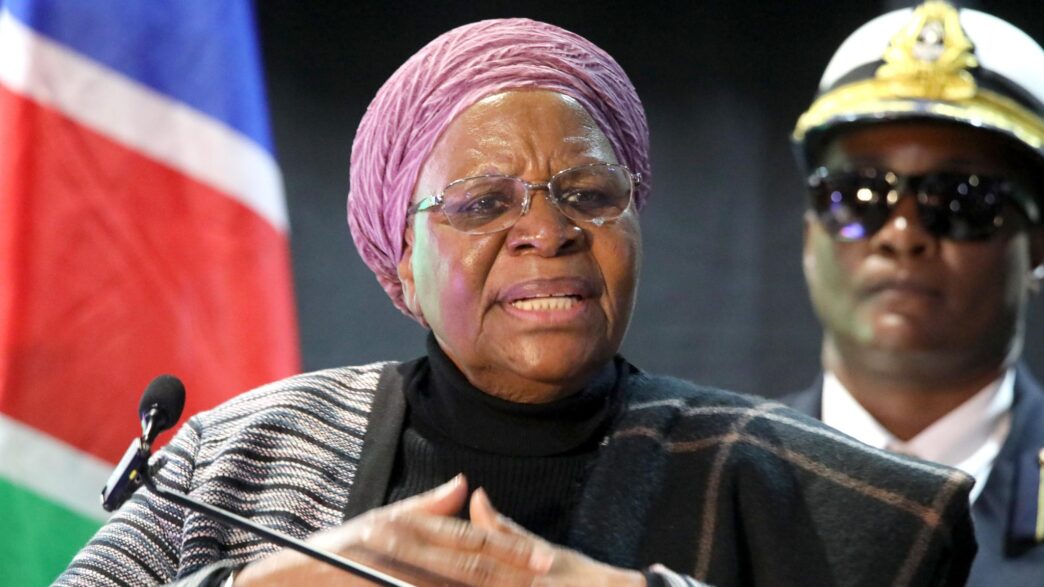
Namibian President Netumbo Nandi-Ndaitwah addresses fishing industry stakeholders during the second day of consultations on the sustainable utilisation of the country’s marine resources.
President Nandi-Ndaitwah made it clear that the consultations are not meant to target or punish any individual or group, but to address systemic challenges and restore stability within the sector.
“What I want is not to punish anybody,” she said, “but to protect and defend the Constitution by ensuring the sustainable utilisation of our fish stock and marine resources.”
She explained that the governance approach is focused on fixing underlying weaknesses, addressing non-compliance, and restoring order through lawful and fair processes rather than assigning blame. The priority, she said, is to strengthen compliance, reinforce accountability, and secure the long-term sustainability of the industry.
The president also reminded stakeholders that the fishing industry is a shared ecosystem made up of workers, employers, and regulators, all of whom carry responsibility for addressing the current instability in the sector.
“We have all identified the challenges. Now is the time for us to say how we are going to address them,” she said, calling for honest reflection, collective responsibility, and practical solutions.