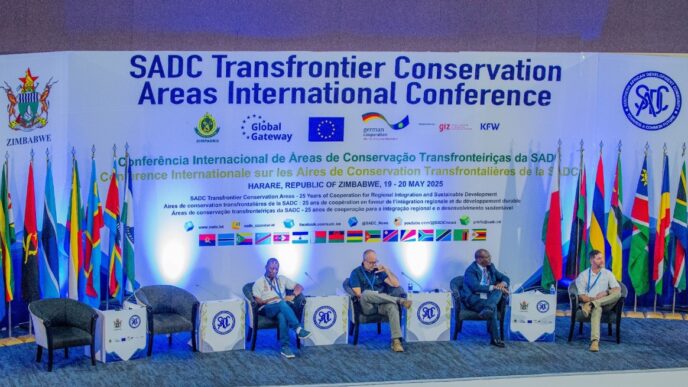


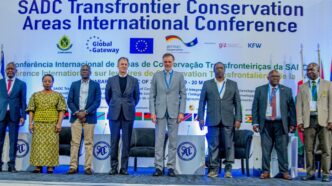
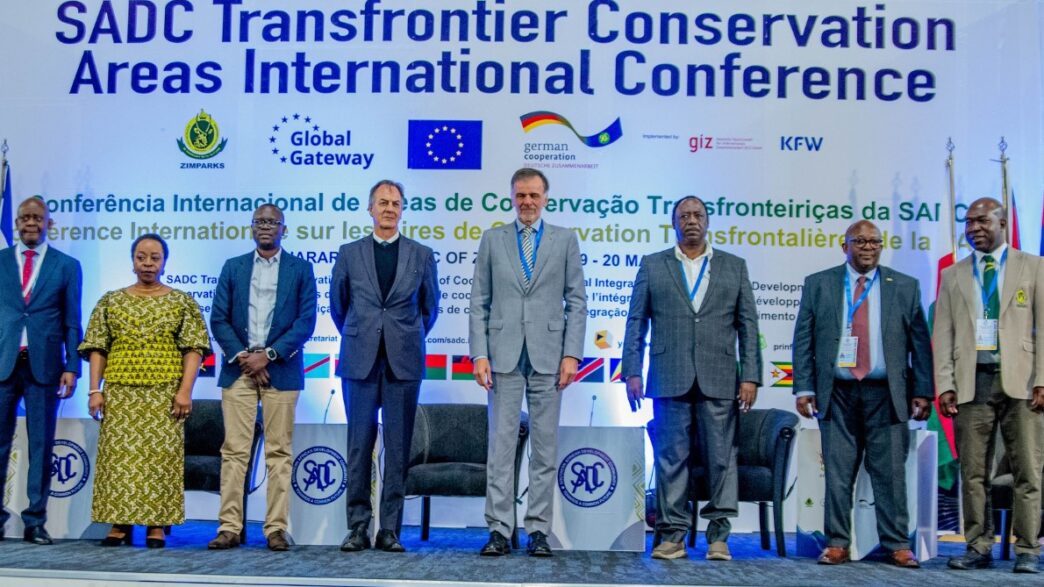
Harare is hosting the first-ever Southern African Development Community (SADC) Transfrontier Conservation Areas (TFCA) Conference, which opened on 19 May 2025 at the Harare International Convention Centre. The event brings together over 500 delegates, including government officials, conservation experts, community leaders, and international partners.
The conference marks 25 years of SADC’s cross-border conservation efforts under the theme “SADC TFCAs: 25 years of cooperation for regional integration and sustainable development.” It serves as a lead-up to the inaugural TFCA Summit of SADC Heads of State and Government scheduled for 23 May, chaired by Zimbabwe’s President Emmerson Mnangagwa in his role as SADC Chairperson.
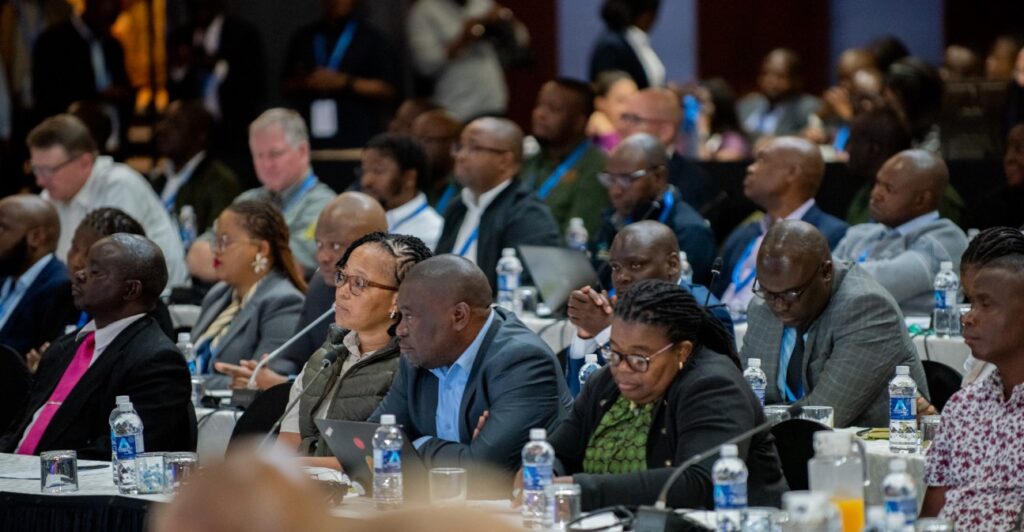
Ambassador Tadeous Chifamba, Permanent Secretary in Zimbabwe’s Ministry of Environment, Climate and Wildlife and chairperson of the SADC Senior Officials Committee on Environment, called for stronger partnerships to manage shared landscapes and seascapes. He urged greater local community involvement, stressing that conservation efforts must benefit the people who have long lived alongside these natural resources. 
Representatives from the European Union and Germany praised the regional TFCA programme as a global example of successful conservation contributing to international biodiversity targets, including the Global Biodiversity Framework’s goal to protect 30% of land and sea by 2030.
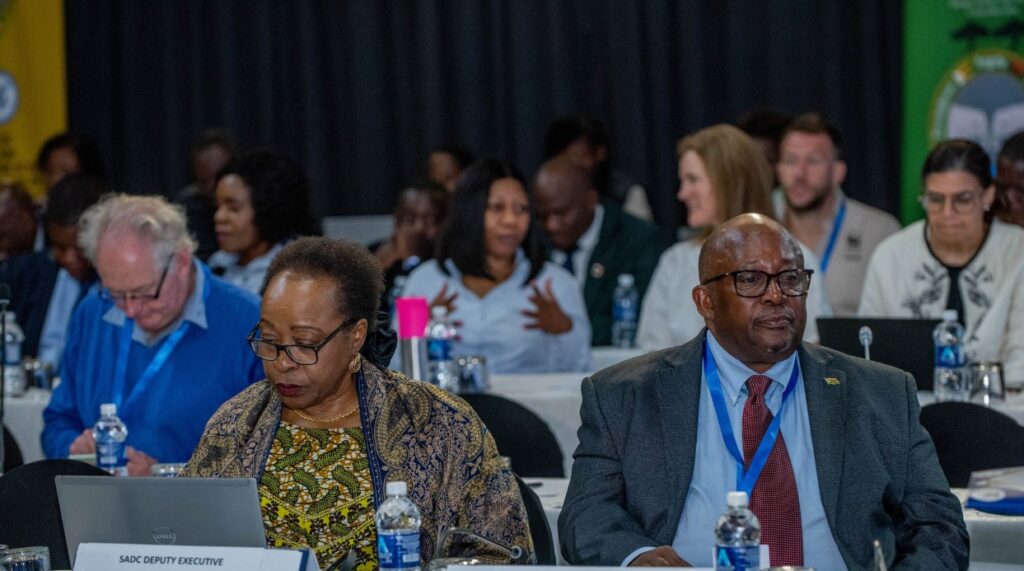
World Wide Fund for Nature (WWF) Zimbabwe’s Itai Chibaya described TFCAs as vital corridors connecting ecosystems, cultures, and economies across borders, demonstrating how regional unity can promote both environmental and economic prosperity.
Since launching the first SADC TFCA in 2019, the Kgalagadi between Botswana and South Africa, the region now has 13 TFCAs. These include the Lubombo TFCA linking Eswatini, Mozambique, and South Africa, and the Great Limpopo TFCA spanning Mozambique, South Africa, and Zimbabwe, among others.
The conference is supported by Zimbabwe’s Ministry of Environment, the European Union, Germany, and conservation partners such as IUCN, Peace Parks Foundation, and WWF.