

Johannesburg – The Gauteng Department of Health has raised the alarm over a sharp rise in malaria cases and deaths in the province, with figures for the first three months of 2026 already far outpacing the same period last year.
Between January and March 2026, Gauteng recorded 414 confirmed malaria cases and 11 deaths. Over the same period in 2025, the province reported just 230 cases and one death. For the whole of 2025, Gauteng recorded 666 cases and seven deaths.
The department said the rise “underscores the urgent need for strengthened surveillance, early detection and prompt treatment to prevent loss of life.” 
Health officials are linking part of the spike to increased travel during the festive season, with many residents visiting malaria-endemic regions and returning infected. “The upward trend signals heightened transmission risk, particularly in the early months of the year after the festive season, when many residents travel to malaria-endemic regions, increasing their exposure and risk of infection upon their return,” the department said.
Residents who have travelled to high-risk areas including Limpopo, Mpumalanga, Mozambique, Zimbabwe and Malawi have been urged to take extra precautions. The warning is equally relevant for Emaswati who travel to and from South Africa, given that Eswatini borders several malaria-endemic areas and shares similar travel patterns.
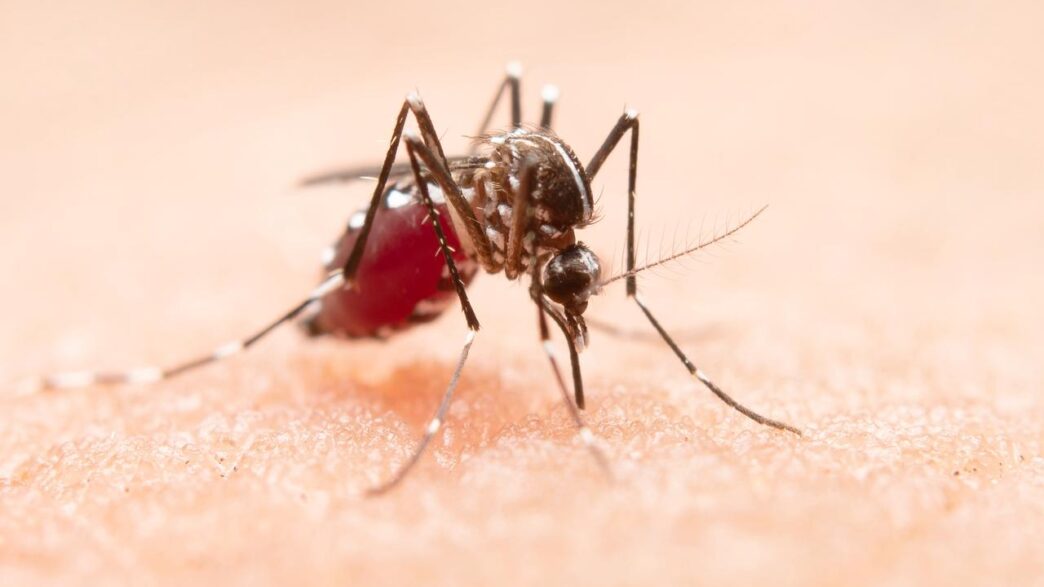
Malaria is a potentially life-threatening disease spread through the bite of an infected mosquito. While it can be prevented and treated, the department warned that delayed diagnosis can be fatal.
Residents are urged to seek immediate medical attention if they experience fever, chills, headache, fatigue, muscle aches, nausea, vomiting or flu-like symptoms, particularly after travelling to high-risk areas. “Preventive measures, including the use of insect repellent and wearing protective clothing, remain essential to reduce the risk of infection,” the department said.
The warning comes ahead of World Malaria Day on April 25, 2026. The department said it “continues to closely monitor the situation and is strengthening public health interventions to control the spread of malaria and reduce mortality across the province.”