



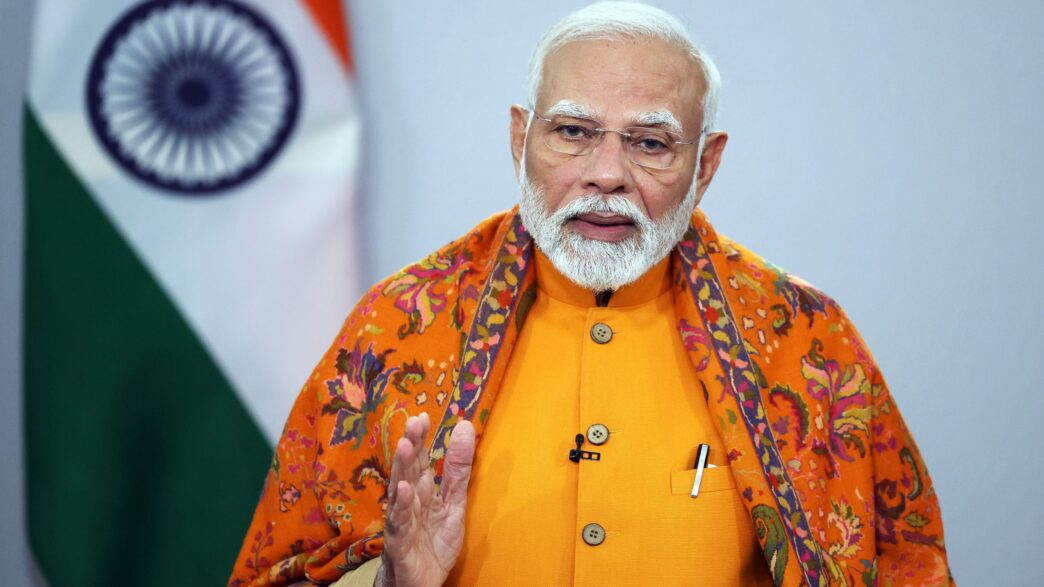
On June 1, 2026, India will host the first International Big Cat Alliance (IBCA) Summit in New Delhi, bringing together Heads of State, ministers, and conservation experts from 95 big‑cat range and partner countries. This landmark summit is not merely a conference on lions and other apex predators; it is also a high‑level platform for linking biodiversity conservation with climate resilience, sustainable development, and South–South cooperation. For the Kingdom of Eswatini, a founding member of the IBCA and a custodian of one of Africa’s most symbolically important lion and leopard populations, this summit offers a unique opportunity to align national priorities with a robust global framework.
Eswatini is among the founding members of the IBCA, standing alongside India and several other African and Latin American states committed to the conservation of seven big cat species: tiger, lion, leopard, snow leopard, cheetah, jaguar, and puma. As a country with a small but concentrated lion population in reserves such as Hlane Royal National Park, the Kingdom’s membership is both symbolic and practical. By joining the Alliance at its inception, Eswatini has positioned itself as an early‑adopter of transboundary conservation diplomacy, signalling its intent to mainstream wildlife protection into national development planning.
The IBCA Summit in India will provide Eswatini with four principal types of benefits: technical capacity, policy support, climate‑linked financing, and diplomatic leverage. 
- Technical and scientific cooperation: India has developed world‑class expertise in big‑cat monitoring, anti‑poaching technology, and habitat‑connectivity planning through initiatives such as Project Tiger and the National Tiger Conservation Authority. At the Summit, Eswatini can negotiate targeted technical partnerships, ranging from satellite tracking systems to community‑based conflict‑mitigation protocols, that are directly transferable to Eswatini’s fenced reserves and wildlife corridors.
- Access to climate and conservation finance: The IBCA framework explicitly links big‑cat conservation with nature‑based solutions for climate adaptation, giving member states a stronger basis to mainstream biodiversity into Nationally Determined Contributions (NDCs) and to access climate finance via multilateral funds and bilateral arrangements. For Eswatini, this could mean concessional financing for landscape restoration, leopard‑proof fencing, and community‑guard systems that simultaneously reduce poaching and enhance rural resilience.
- Tourism‑linked green growth: Big cats are powerful tourism icons. India’s experience shows that successful conservation can translate into high‑value, low‑impact wildlife tourism that generates budgets for protection while safeguarding local livelihoods. Eswatini’s lion population, concentrated in well‑managed reserves such as Hlane, is already a draw for regional and international visitors. Closer collaboration with India under the IBCA could include joint training programmes for eco‑tourism entrepreneurs, marketing partnerships (e.g., “Big Cat Trails” linking Indian and African parks), and standards for certification that raise Eswatini’s profile as a model conservancy destination.
Membership in the IBCA and participation in the Summit fit seamlessly into Eswatini’s broader foreign policy goals of deepening cooperation with the Global South, particularly with India. India’s leadership in establishing the IBCA underlines its growing role as a provider of global public goods in biodiversity and climate governance, and Eswatini’s early endorsement reinforces bilateral trust in areas that extend beyond conservation, such as trade, science, and capacity building.
By articulating its conservation priorities at the Summit, especially around lion habitat connectivity, human‑wildlife conflict mitigation, and community‑based conservation, Eswatini can attract not only technical partnerships but also political goodwill and soft‑power credit as a leader in ecological stewardship. This, in turn, strengthens Eswatini’s voice in multilateral forums dealing with wildlife trade, protected‑area governance, and climate‑linked biodiversity targets.
The IBCA Summit in India represents a strategic inflection point for Eswatini’s conservation diplomacy. By fully leveraging its position as a founding member, the Kingdom can secure concrete technical support, climate‑linked financing, and tourism‑related partnerships that will help secure its lion and leopard populations for future generations. For Eswatini, this is not a side‑agenda of environmental idealism; it is a core national priority that touches security, economy, and international reputation. As the world gathers under the IBCA banner in New Delhi, Eswatini should enter the hall with a clear, coordinated agenda, transforming ceremonial membership into measurable, on‑the‑ground gains for its people and its pride.