

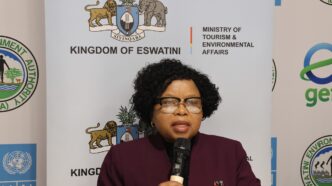
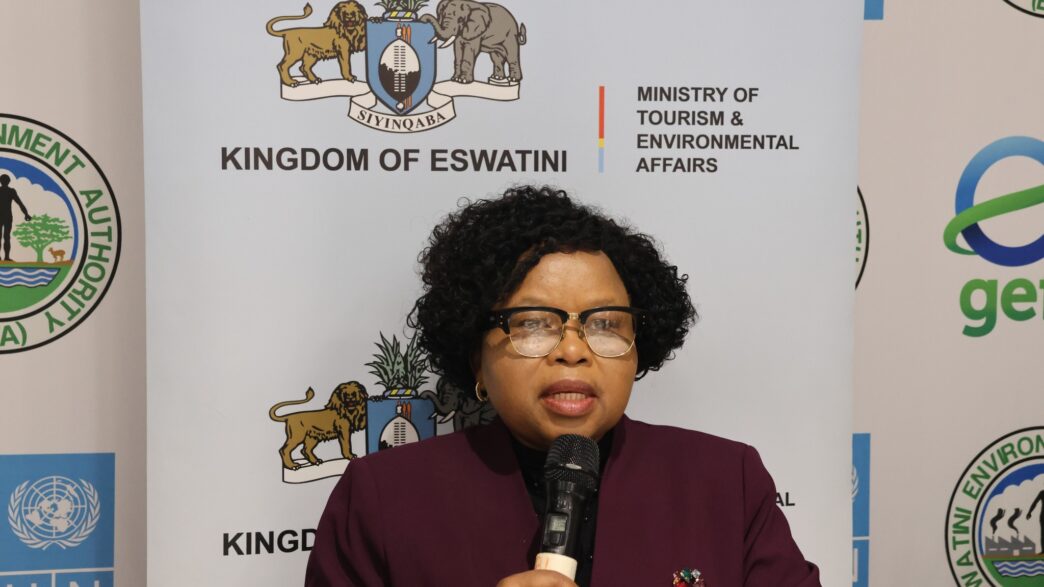
Mbabane – The government has taken the first formal step towards creating an 87,000-hectare nature reserve in the Lubombo Region, with Tourism and Environmental Affairs Minister Jane Mkhonta-Simelane officially opening a stakeholder inception and consultation workshop for the Eswatini Big Five Project this week.
The proposed reserve will consolidate existing protected areas and surrounding communities to improve habitat connectivity for the country’s Big Five species, a move that conservationists and government officials say could transform Eswatini’s wildlife tourism landscape.
The project is backed by a direct grant of USD 5,232,261 from the Global Environment Facility (GEF), with the United Nations Development Programme (UNDP) providing technical support and partnership in driving the initiative forward. 
Speaking at the workshop, Mkhonta-Simelane thanked the GEF for the investment and the UNDP for their support, and also acknowledged all agencies and partners involved in the implementation of the project.
The Big Five Project is framed as a cornerstone of Eswatini’s national development agenda and is designed to align with the recently launched United Nations Sustainable Development Cooperation Framework, which targets sustainable and inclusive economic growth by 2030. The government says the initiative is structured to ensure that conservation efforts translate into tangible economic benefits for communities living within and around the reserve.
The Lubombo Region, which stretches along Eswatini’s eastern border with Mozambique, already hosts some of the country’s most significant wildlife areas, making it a natural anchor for an expanded conservation zone of this scale.