


Warmbad – Scientists from the Natural Science Subdivision of the National Museum of Namibia have completed a field expedition to Warmbad in southern Namibia, collecting specimens and data across multiple species groups as part of an ongoing biodiversity research project.
The field trip was conducted under the JRS Biodiversity Foundation project, which seeks to build a deeper understanding of biodiversity in the southeastern part of Namibia, an area that forms part of the Gariep Centre of Endemism.
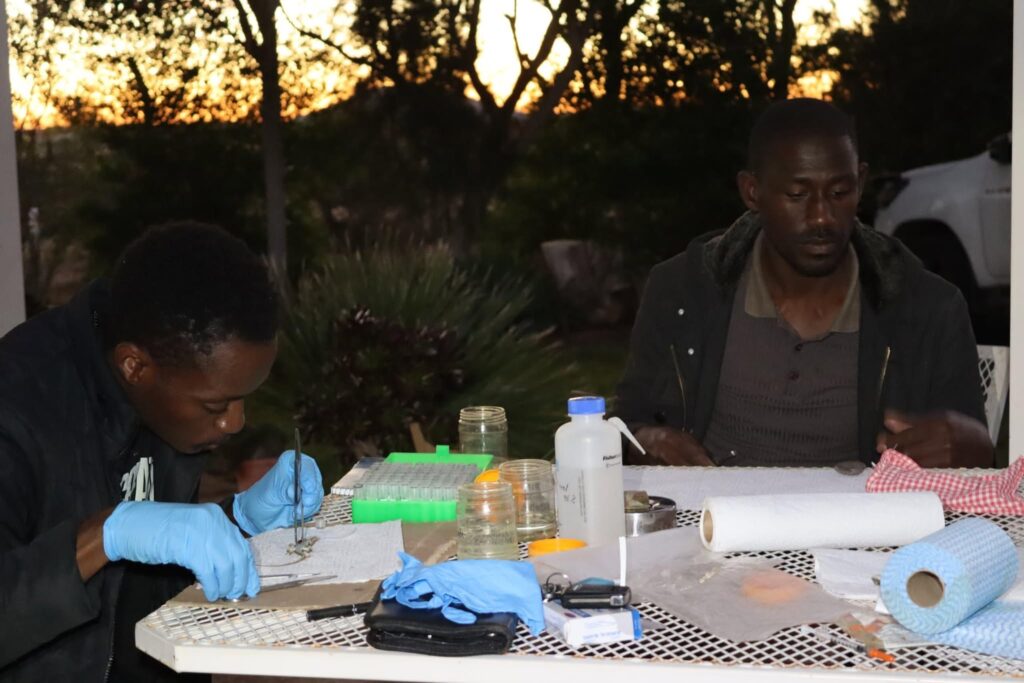
The team collected specimens and scientific data covering arthropods, insects, small mammals, aquatic invertebrates, and reptiles. The information gathered is expected to contribute to biodiversity research and support conservation initiatives across the country. 
Harsh weather conditions tested the team throughout the expedition, but the scientists pushed through and completed all planned fieldwork.
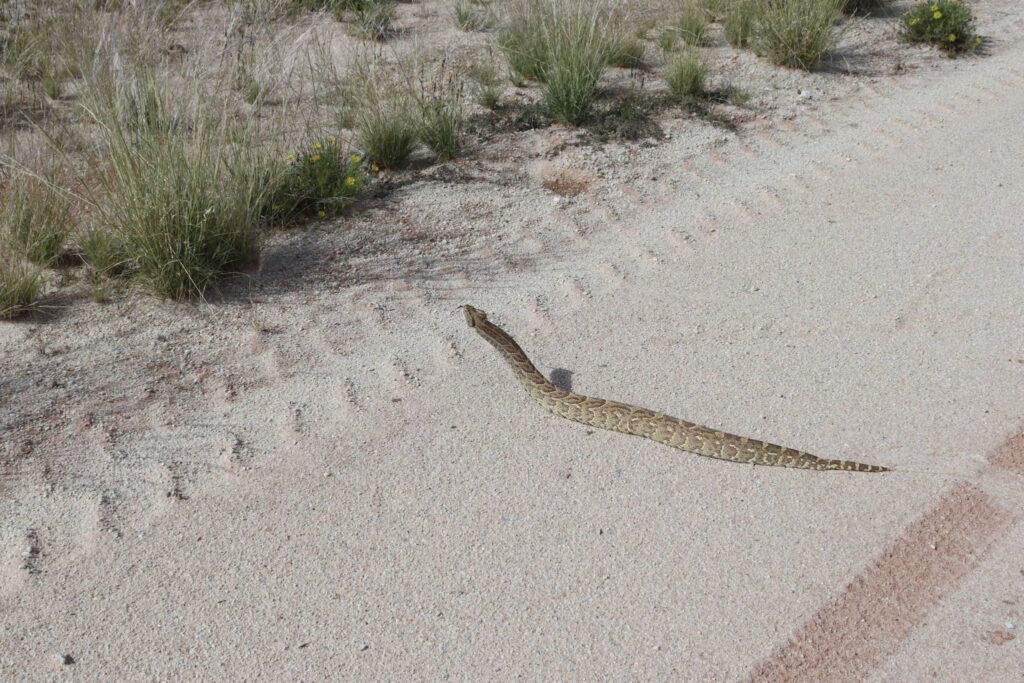
One of the more memorable moments of the trip came when the team encountered a puff adder in the field, offering a valuable live observation of one of southern Africa’s most well-known venomous snakes.
The Namibia Nature Foundation and the Ministry of Environment, Forestry and Tourism reported on the expedition, with the National Museum of Namibia saying it remains committed to advancing scientific knowledge and supporting the conservation of Namibia’s biodiversity through research and field-based monitoring.